
In laboratory settings, particularly those engaged in microbiological research, contamination control is critical. Biosafety challenges often arise due to the handling or cultivation of microbial cultures, leading to the demand for reliable sterilization workflows. The Micro Incinerator, also known as the Infrared Inoculating Loop Sterilizer, stands out as an advantageous solution over traditional flame sterilizers, like alcohol lamps and Bunsen burners.
Understanding the Micro Incinerator: Technical Principles and Design
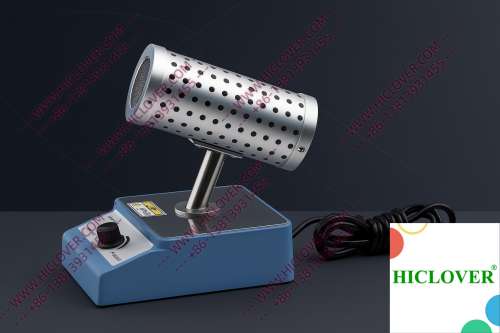
The Micro Incinerator operates based on infrared heat technology, generating temperatures high enough to achieve rapid thermal sterilization within an enclosed ceramic tube. Unlike flame sterilizers, which expose the inoculating loop to an open flame, the ceramic heating chamber ensures an even distribution of heat. This unique configuration provides a clean-bench-safe solution, essential for laminar flow cabinets where any disturbances can lead to aerosol formation and potential contamination.
The infrared high-temperature disinfection process yields exceptional results in both sterilization speed and efficiency, making it a preferred choice across various laboratory environments. This technique eliminates the need for flammable materials, enhancing safety protocols in sensitive areas.
Applications of the Micro Incinerator in Real Laboratories
1. BSL-2 and BSL-3 Microbiology Labs
In BSL-2 and BSL-3 microbiology labs, stringent biosafety protocols are essential. The Micro Incinerator supports these protocols by providing a rapid sterilization solution for inoculating loops, preventing cross-contamination when transferring microbial cultures. By ensuring the immediate readiness of sterilized loops, laboratories can maintain a seamless workflow without compromising biosafety guidelines.
2. University Teaching Labs
In educational settings, university teaching labs benefit significantly from the use of Micro Incinerators. Students can safely practice aseptic techniques using sterilized loops without the risks associated with open flames. This improves the overall learning experience while upholding strict safety measures, fostering an atmosphere conducive to exploration and experimentation.
Compliance and Environmental Considerations
Laboratory sterilization equipment must comply with relevant standards, such as those set forth by organizations like the World Health Organization (WHO) and local biosafety regulations. Unlike traditional flame sterilizers that can produce undesirable airflow and increase contamination risks in clean rooms, the Micro Incinerator operates without an open flame, ensuring it meets clean-room requirements.
Additionally, the Micro Incinerator’s design minimizes the emission of harmful substances, aligning with environmental safety standards advocated globally. Many research facilities worldwide, including those in the United States, Germany, and Japan, are turning towards this innovative solution for both its effectiveness and compliance with stringent regulatory frameworks.
Micro Incinerator vs. Traditional Flame Burners: A Comparative Overview
| Feature | Micro Incinerator | Flame Burners |
|---|---|---|
| Heat Source | Infrared | Open Flame |
| Contamination Control | High | Moderate |
| Safety | Safe for Clean Rooms | Risk of Fire |
| Heating Time | Instant | Variable |
| Operational Ease | User-Friendly | Requires Skill |
Frequently Asked Questions (FAQs)
- What is the main advantage of using a Micro Incinerator in labs?
The Micro Incinerator offers a safe, efficient, and effective method of sterilizing inoculating loops without the hazards associated with open flames. - Can the Micro Incinerator be used in field testing labs?
Yes, its portability and efficient design make it suitable for mobile or field testing scenarios where reliable sterilization is essential. - How does the infrared technology in the Micro Incinerator work?
The device utilizes infrared heat to rapidly achieve high temperatures for sterilization while maintaining an enclosed chamber to minimize contamination risks. - Is the Micro Incinerator compliant with WHO safety standards?
Yes, the Micro Incinerator meets or exceeds various international safety standards, including those set by WHO for laboratory environments. - How do I maintain a Micro Incinerator for optimal performance?
Regular cleaning and periodic checks of the ceramic heating chamber are recommended to ensure the device operates at peak efficiency.
Conclusion: Elevate Your Laboratory’s Sterilization Practices
In summary, the Micro Incinerator / Infrared Inoculating Loop Sterilizer presents an innovative solution for laboratories seeking to improve their sterilization workflows while adhering to strict biosafety measures. Its unique technology and design not only mitigate contamination risks but also enhance operational efficiency across various applications, from research to education.
For laboratories looking to enhance their sterilization practices, consider investing in the Micro Incinerator. Contact us for more information or to purchase this essential laboratory equipment today!
Categories:
Tags: