
Laboratory environments face myriad biosafety challenges, particularly concerning contamination control. As researchers and technicians work with various pathogens and microbial samples, the need for efficient and reliable sterilization processes becomes paramount. Traditional methods such as alcohol lamps and Bunsen burners, while effective, can pose significant risks, including open flames in clean rooms and potential aerosol generation. This is where Micro Incinerators, specifically Infrared Inoculating Loop Sterilizers, offer a revolutionary solution.
Understanding the Technology: The Principle Behind Micro Incinerators
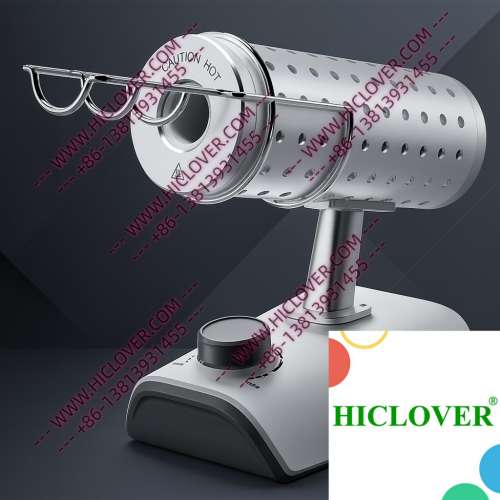
Micro Incinerators utilize a ceramic heating chamber that harnesses infrared heat for rapid thermal sterilization. The enclosed design ensures that the hot surfaces are well-contained, reducing the risk of burns and fire hazards. The infrared high-temperature disinfection method allows for immediate heating, which can quickly sterilize inoculating loops and other small laboratory tools in seconds.
Unlike conventional flame sterilizers, the infrared inoculating loop sterilizer delivers consistent temperatures that surpass those of open flames, thus offering a higher level of safety and efficiency. The thermal efficiency not only minimizes the risk of operator exposure to harmful pathogens but also provides a means for aerosol-free handling within sensitive environments.
Applications: Where Micro Incinerators Shine
1. University Teaching Labs
In educational settings, Micro Incinerators are ideal for teaching basic microbiology techniques. The compact design and user-friendly features make them suitable for students who are learning sterilization practices without the hazards associated with flames. Instructors can demonstrate various aseptic techniques without the fear of accidents, thereby enhancing safety while maintaining an educational environment.
2. BSL-2 and BSL-3 Microbiology Laboratories
In more specialized settings like BSL-2 and BSL-3 microbiology labs, safety is paramount. The infrared inoculating loop sterilizer minimizes risks associated with contamination and ensures a sterile workspace, crucial for working with potentially harmful pathogens. With the capacity for rapid sterilization, the Micro Incinerator allows for more efficient workflows, enabling researchers to focus on their experiments rather than sterilization processes.
Compliance with Biosafety Standards
Ensuring compliance with biosafety regulations is vital for laboratories operating in sensitive environments. The World Health Organization (WHO) provides strict guidelines for lab practices, and organizations must adhere to various sterilization standards. Micro Incinerators qualify as a clean-bench-safe option, critical for laboratories where flame sterilization is prohibited. Unlike traditional open flame sterilizers, these devices are designed to operate safely in environments where combustion gases can compromise sterile conditions.
Moreover, the ability to avoid open flames means reduced air turbulence and cleaner working conditions, aligning with modern laboratory safety protocols. Adopting advanced sterilization technologies like the Micro Incinerator can facilitate compliance while also improving overall laboratory efficiency.
Advantages Over Traditional Flame Sterilizers
| Feature | Micro Incinerator | Flame Sterilizers |
|---|---|---|
| Safety | No open flames, reduced risk | Open flames, potential burns |
| Efficiency | Instant heating; seconds to sterilize | Longer heat-up time |
| Contamination Control | Minimizes aerosol generation | Can generate aerosols |
| Energy Consumption | Lower energy use | Higher energy use |
FAQs About Micro Incinerators
- How quickly can a micro incinerator sterilize an inoculating loop?
The micro incinerator can achieve sterilization in as little as 3-5 seconds.
- Are micro incinerators safe to use in clean rooms?
Yes, they are designed to operate safely in clean room environments without producing harmful emissions.
- What maintenance is required for a micro incinerator?
Regular cleaning of the ceramic heating chamber and checking the temperature calibration are essential for optimal performance.
- Can a micro incinerator be used for other sterilization needs?
Yes, besides inoculating loops, it can sterilize various small tools used in laboratories.
- What are the energy efficiency benefits of using a micro incinerator?
It consumes less energy compared to traditional flame sterilizers, reducing operational costs.
Conclusion: Elevate Your Laboratory Standards with Micro Incinerators
Adopting Micro Incinerators or Infrared Inoculating Loop Sterilizers can not only enhance lab safety but also improve operational efficiency in a variety of laboratory settings. As safety regulations become increasingly stringent, investing in advanced sterilization technologies is essential for compliance and effective infection control. Reach out to our team today to explore how you can integrate these innovative sterilizers into your laboratory workflow.
Categories:
Tags: