
Laboratories pose various biosafety challenges, particularly when it comes to maintaining sterile environments in the face of potential contamination risks. Rapid sterilization of inoculating loops and other equipment is critical for the integrity of experimental results, especially in clinical diagnostics, university teaching labs, and microbiology research environments. As traditional flame-based sterilization methods like alcohol lamps and Bunsen burners fall short in providing the desired level of safety and efficiency, innovative solutions—such as Infrared Inoculating Loop Sterilizers—have emerged as indispensable tools in the laboratory workflow.
Technical Principles of Infrared Sterilizers
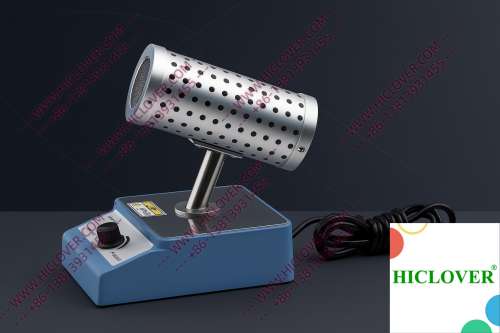
The Micro Incinerator or Infrared Inoculating Loop Sterilizer operates on the principle of rapid thermal sterilization through infrared technology. Unlike conventional flame sterilizers, which pose a significant risk of aerosol generation and can compromise clean-room environments, infrared sterilizers utilize a contained ceramic heating chamber. This ensures direct heat application to the inoculating loop without the need for an open flame, making it ideal for use in biosafety cabinets and clean areas.
- Infrared Heating: Efficiently generates heat with minimal thermal lag.
- Enclosed Design: Reduces the risk of contamination and protects the operator.
- Temperature Control: Precise settings ensure consistent sterilization efficacy.
- Aerosol-Free Handling: Eliminates dangerous aerosol dispersal commonly associated with flame methods.
This technology represents a significant advancement in sterilization equipment, particularly in settings that require stringent biosafety measures, such as BSL-2 and BSL-3 laboratories. The Micro Incinerator, by providing high-temperature disinfection without flames, enables labs to maintain compliance with evolving standards laid out by regulatory bodies.
Application Scenarios for Infrared Loop Sterilizers
1. Teaching Laboratories
In university teaching labs, instructors often face the dual challenge of ensuring student safety while delivering a comprehensive educational experience. With the use of an Infrared Inoculating Loop Sterilizer, students can quickly and safely sterilize their loops between cultures, thus minimizing the risk of cross-contamination. Moreover, the machine’s visible heating element makes it an excellent educational tool, allowing students to observe the sterilization process directly.
2. Field Testing Applications
When conducting field samples for clinical diagnostics, maintaining sample integrity is paramount. Traditional flame burners can be cumbersome and unsafe in high-stakes environments. Infrared sterilizers, being portable and quick to operate, provide field researchers with the necessary means to sterilize instruments on-site without any reliance on flammable materials. This capability allows for effective contamination control in variable conditions, such as remote locations in France or during environmental monitoring initiatives.
Compliance with Safety Standards
The World Health Organization (WHO) outlines stringent guidelines for laboratory biosafety and sterilization practices. It emphasizes the importance of effective sterilization methods in preventing laboratory-acquired infections and ensuring safe handling of pathogens. Additionally, compliance with local regulations calls for elimination of open flames in clean-room environments, making Infrared Inoculating Loop Sterilizers not only a safe alternative but a compliance-ready solution for laboratories in France and beyond.
“Using Infrared Inoculating Loop Sterilizers can help labs achieve their biosafety compliance while significantly enhancing sterilization efficiency.” – Safety Expert
Advantages of Infrared Sterilizers over Traditional Flame Sterilizers
| Feature | Micro Incinerator | Flame Sterilizers |
|---|---|---|
| Safety | Enclosed design, no open flame | Risk of burns and cross-contamination |
| Efficiency | Rapid heating and cooling | Requires time to ignite |
| Contamination Control | Aerosol-free handling | Possible aerosol production |
| Portability | Compact and easy to carry | Heavy and requires fuel |
FAQs About Infrared Inoculating Loop Sterilizers
1. How does an Infrared Inoculating Loop Sterilizer work?
It works by using infrared heat to quickly sterilize inoculating loops within a contained ceramic chamber, eliminating the need for flames and significantly reducing contamination risks.
2. Are there specific laboratory environments where Infrared Sterilizers are preferred?
Yes, they are preferred in BSL-2 and BSL-3 laboratories, clinical diagnostics, and clean-room environments due to their safety and compliance with biosafety standards.
3. How long does it take to sterilize an inoculating loop using this device?
The sterilization process typically takes just a few seconds, allowing for a rapid turnaround during laboratory work.
4. Can Infrared Sterilizers be used in the field?
Absolutely! Their portability and quick operation make them ideal for field testing applications, especially in remote locations.
5. Do Infrared Inoculating Loop Sterilizers require any special maintenance?
Minimal maintenance is required, mainly periodic inspections and ensuring the ceramic heating element is clean and operational.
Conclusion
Understanding the science behind sterilization techniques in laboratories is crucial for maintaining biosafety and promoting effective research practices. Infrared Inoculating Loop Sterilizers represent a substantial advancement over traditional flame methods, offering enhanced safety, efficiency, and compliance with stringent laboratory standards. For laboratories looking to improve their sterilization workflows, investing in a Micro Incinerator is a sound decision. Contact us today to learn more about how we can support your laboratory’s sterilization needs and elevate your research capabilities.
Categories:
Tags: