
In the bustling world of laboratory research, ensuring the safety and sterility of biological samples is paramount. Lab professionals face significant biosafety challenges daily, especially in microbiology labs, where contamination can lead to compromised results or, even worse, public health risks. To navigate these challenges effectively, it’s crucial for laboratories to adopt reliable sterilization workflows using advanced equipment such as the Micro Incinerator or Infrared Inoculating Loop Sterilizer. This article will unravel the science behind sterilization, emphasizing how these devices can enhance laboratory practices.
Technical Principles of Micro Incinerators
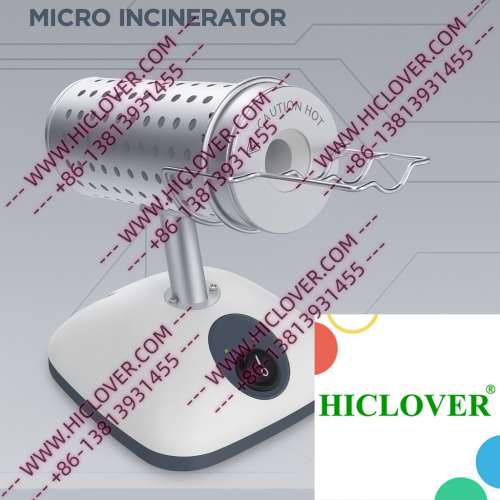
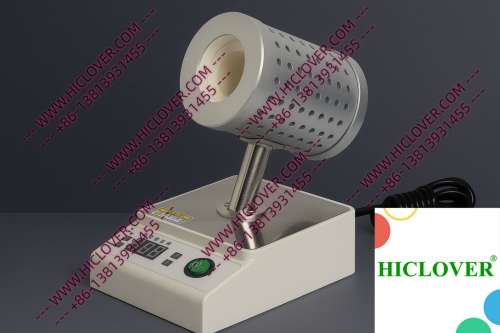
The Micro Incinerator operates on the principle of infrared heat, employing a unique enclosed ceramic tube that achieves rapid thermal sterilization. Unlike traditional flame sterilizers, which can produce potentially harmful aerosols and require flammable alcohol, the Micro Incinerator offers a safe, clean-bench-safe solution for contamination control. Here’s a closer look at its features:
- Infrared High-Temperature Disinfection: The device heats up quickly, reaching sterilization temperatures within minutes, ensuring efficient decontamination of inoculating loops and other instruments.
- Clean-Bench-Safe Design: With its enclosed ceramic chamber, the sterilizer minimizes the emission of aerosols, providing enhanced safety in sensitive environments.
- Compact and Portable: Its small footprint and lightweight design make it an ideal choice for both stationary and mobile laboratory contexts.
Application Scenarios in Real Labs
Micro Incinerators have found their place in several laboratory settings, including:
1. University Teaching Labs
In educational institutions, students learn the importance of proper sterilization techniques in microbiology. The Micro Incinerator is often integrated into laboratory curricula, allowing students to practice safe inoculation methods without the risks associated with Bunsen burners or alcohol lamps. Faculty members appreciate the ease of use and speed, enabling efficient teaching even with large class sizes.
2. BSL-2 / BSL-3 Microbiology Labs
In high containment laboratories, where safety is a top priority, the Micro Incinerator excels in providing a flame-free sterilization method. Researchers can use it while working within biosafety cabinets to prevent any contamination risk associated with open flames. Additionally, this device aligns with the strict guidelines set forth by the WHO regarding the sterilization of tools and materials used in high-risk microbiological research.
Compliance and Environmental Standards
Maintaining biosafety is not only about ensuring effective sterilization but also adhering to compliance and environmental standards. The WHO and various laboratory sterilization standards establish strict regulations that laboratories must follow. For instance:
- Biosafety Guidelines: Compliance with WHO biosafety levels ensures that laboratories are equipped to manage pathogens safely, which requires the effective sterilization of instruments.
- No Flame in Clean Rooms: Many sterile environments prohibit open flames to avoid contamination. The Micro Incinerator’s design adheres to these standards, making it suitable for clean rooms or sensitive areas.
Utilizing equipment like the Micro Incinerator not only enhances laboratory workflow efficiency but also provides the necessary compliance assurance for high-functioning research centers, universities, and hospitals.
Comparison with Traditional Flame Sterilizers
Micro Incinerator vs. Flame Burners
| Feature | Micro Incinerator | Flame Burners |
|---|---|---|
| Heating Method | Infrared heat | Open flame |
| Safety | Low risk of aerosol generation | High risk of flammable materials and aerosols |
| Temperature Control | Rapid and precise | Requires manual adjustment and monitoring |
| Portability | Highly portable | Less portable; needs stable support |
| Usage Scope | Suitable for all types of labs | Restricted to specific environments |
FAQs About the Micro Incinerator
- How does the Micro Incinerator ensure effective sterilization? The device achieves effective sterilization through direct infrared heat, which quickly raises temperatures high enough to kill microbial organisms.
- Can the Micro Incinerator be used in field testing? Yes, its compact design makes it ideal for mobile laboratories, allowing for safe sterilization in various environments.
- What are the advantages of using a Micro Incinerator over traditional sterilizers? Key advantages include enhanced safety, rapid heat-up times, portability, and compliance with biosafety regulations.
- Is it suitable for educational facilities? Absolutely! The Micro Incinerator is perfect for university teaching labs, offering a safe way for students to practice sterilization techniques.
- How do I maintain the Micro Incinerator? Regular cleaning of the ceramic tube ensures optimal performance, along with periodic checks for any wear or damage to the heating elements.
Conclusion
The Micro Incinerator or Infrared Inoculating Loop Sterilizer is transforming the landscape of laboratory sterilization. Its advanced design, coupled with unmatched safety features, makes it a valuable asset for laboratory workflows across various settings—from biosafety cabinets to field tests in BSL-2/BSL-3 labs. If you’re looking to enhance safety standards and streamline sterilization processes in your facility, the Micro Incinerator is an investment worth considering.
For more information on acquiring a Micro Incinerator for your laboratory, feel free to reach out to us. Our knowledgeable representatives are here to assist you in selecting the right equipment that meets your specific needs.
Categories:
Tags: