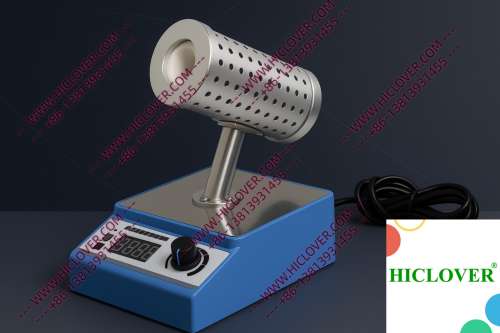
In the fast-paced world of laboratory diagnostics, particularly in pathology, maintaining sterile environments is crucial. Laboratories face numerous biosafety challenges, especially when evaluating samples that may harbor dangerous pathogens. Traditional flame-based sterilization methods have long been the norm; however, as laboratories demand more efficient and safer workflows, the introduction of advanced sterilization equipment, such as the Micro Incinerator or Infrared Inoculating Loop Sterilizer, becomes indispensable. This article explores the science behind these sterilizers and their role in ensuring accurate and reliable results in clinical settings.
Understanding the Micro Incinerator: A Technical Overview
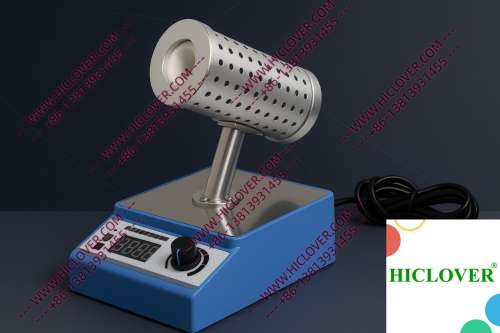
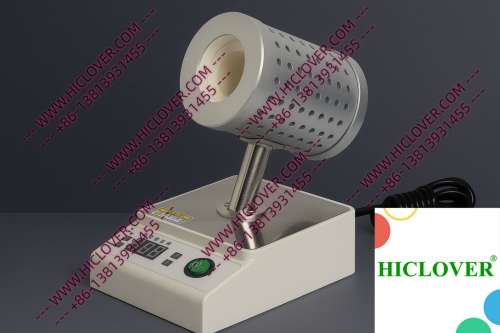
The Micro Incinerator operates on the principle of infrared heat. Unlike traditional flame sterilizers that can produce unwanted aerosolization of particles and heat damage to sensitive equipment, the infrared technology employed in these devices ensures rapid thermal sterilization without the associated risks. Within a compact, enclosed ceramic tube, the design minimizes the risk of contamination while maximizing efficiency.
Key features of the Micro Incinerator include:
- Ceramic Heating Chamber: Provides direct and focused high-temperature sterilization.
- Ease of Use: Simple operation eliminates the need for refueling or managing open flames.
- Portability: Lightweight and compact design suitable for various laboratory settings, including field testing.
- Meets WHO guidelines concerning safe handling of biohazardous materials.
- Complies with local lab sterilization standards that require elimination of open flames in clean rooms.
Advantages Over Traditional Flame Sterilizers
The Micro Incinerator presents several advantages over traditional flame sterilizers such as alcohol lamps and Bunsen burners:
| Feature | Micro Incinerator | Flame Sterilizers |
|---|---|---|
| Safety | No open flame; reduced risk of fire | Open flame; potential combustion hazard |
| Time Efficiency | Rapid thermal sterilization within seconds | Longer preheating times required |
| Cleanliness | Aerosol-free handling reduces contamination risk | Aerosols generated may contaminate samples |
| Versatility | Usable in diverse settings, including teaching labs | Restricted to fixed lab settings |
Application Scenarios in Real Labs
1. Biosafety Cabinet Applications: In BSL-2 and BSL-3 environments, maintaining sterility is critical. The Micro Incinerator can be strategically placed within biosafety cabinets, allowing microbiologists to sterilize inoculating loops and tools without introducing contaminants into the workspace. As these cabinets are designed to protect both the samples and the laboratory personnel, incorporating infrared sterilizers aligns well with best practices in contamination control.
2. Teaching Labs: University settings often involve teaching microbiology to students who may be inexperienced with handling infectious materials. Using a Micro Incinerator as a training tool evaluates students’ ability to understand sterilization principles without the hazards associated with flame sterilization. This method aids in creating a safer learning experience while reinforcing the importance of biosafety in laboratory practices.
Compliance with Biosafety Standards
Adhering to established biosafety protocols is paramount for laboratories. The World Health Organization (WHO) promotes strict sterilization standards to ensure the safety of laboratory personnel and the integrity of test results. The incorporation of flame-free sterilization methods like the Micro Incinerator:
Additionally, utilizing flame-less technology supports stringent cleanroom protocols, ensuring dust-free environments that are critical for sensitive procedures, such as cell culture within CO2 incubators or anaerobic chamber operations.
Frequently Asked Questions
What is the primary advantage of using a Micro Incinerator over traditional flame sterilizers?
The Micro Incinerator eliminates the dangers associated with open flames, providing rapid thermal sterilization and reducing aerosol contamination risks.
How easy is it to operate the Micro Incinerator in practical settings?
The device is designed for user-friendly operation, allowing quick sterilization of tools with minimal training required.
Can the Micro Incinerator be used in field testing?
Yes, the lightweight and compact design of the Micro Incinerator makes it an excellent choice for mobile laboratories and field testing scenarios.
Is the Micro Incinerator compliant with laboratory safety standards?
Yes, it meets WHO biosafety recommendations and is suitable for BSL-2 and BSL-3 laboratories, ensuring a high standard of safety and compliance.
What maintenance is required for the Micro Incinerator?
The device requires minimal maintenance—regularly cleaning the ceramic tube and ensuring electrical connections function optimally can prolong its lifespan.
Conclusion
As laboratories strive to enhance biosafety while improving workflow efficiency, the adoption of advanced sterilization technologies like the Micro Incinerator is essential. This infrared inoculating loop sterilizer not only ensures effective contamination control but also meets the rigorous demands of modern pathology labs. For laboratories aiming to upgrade their sterilization systems or improve compliance with biosafety standards, investing in a Micro Incinerator could be a game changer.
For more information on how we can assist your lab in enhancing sterilization practices, feel free to reach out. Our knowledgeable team is ready to help you make an informed decision for your laboratory’s needs.
Categories:
Tags: