
In the realm of laboratory biosafety, the challenges of maintaining sterile environments have never been more prominent. Laboratories must adhere to strict protocols to prevent contamination while ensuring productivity in research and diagnostics. One critical aspect of this effort is the selection of appropriate sterilization equipment, particularly in the context of inoculating loop sterilizers. Among the various options available, Micro Incinerators and Infrared Inoculating Loop Sterilizers have garnered attention for their effective, rapid thermal sterilization capabilities. This article explores these devices’ science, applications, compliance, and advantages over traditional flame sterilizers.
Understanding the Technical Principles
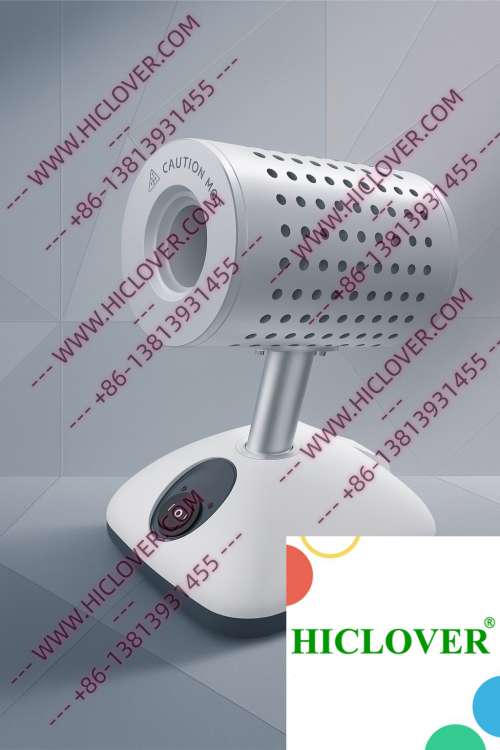
At the heart of the Micro Incinerator lies the principle of infrared heat transfer. This technology utilizes a ceramic heating chamber to reach high temperatures, enabling the immediate sterilization of inoculating loops and other tools. Unlike traditional flame sterilizers, which can produce harmful aerosols and a hazardous environment, infrared sterilizers promise a more controlled and safe approach to sterilization. The enclosed ceramic tube design helps to ensure that heat is efficiently directed toward the tool, minimizing heat loss and providing quick disinfection without the risks associated with flame.
Key Features of Micro Incinerators
- Rapid Thermal Sterilization: Achieves sterilization in seconds, significantly improving workflow efficiency.
- Contamination Control: Prevents the spread of contaminants in the laboratory environment.
- Aerosol-Free Handling: Reduces risks associated with harmful aerosols formed by flame methods.
- Energy Efficient: Consumes less power compared to continuous flame sources.
- WHO recommendations for laboratory safety
- National Institute for Occupational Safety and Health (NIOSH) guidelines
- Centers for Disease Control and Prevention (CDC) biosafety levels
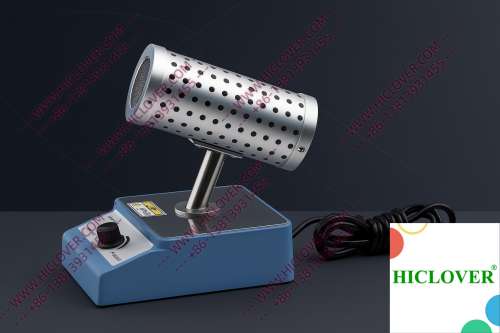
Application Scenarios in Real Laboratories
Micro Incinerators find utility across a variety of laboratory environments. Below are two prominent application scenarios:
1. Biosafety Cabinets in Microbiology Labs
Biosafety Level (BSL) 2 and BSL-3 microbiology labs place a strong emphasis on preventing contamination and maintaining samples’ integrity. In these settings, the Micro Incinerator is used regularly for sterilizing inoculating loops. The unit’s rapid sterilization capabilities allow microbiologists to achieve effective microbial transfer without delay, enabling timely experiments and ensuring a safer working environment.
2. Teaching Labs in Educational Institutions
In university settings, teaching labs often struggle with the balance between education and safety. The Infrared Inoculating Loop Sterilizer provides a safer alternative for students learning microbial techniques. Unlike traditional flame sterilizers, which can cause burns or accidents among students, the micro incinerator ensures that young scientists focus on their learning, minimizing risks associated with flame handling.
Compliance with Biosafety Standards
Adhering to biosafety guidelines is critical in laboratory operations. According to the World Health Organization (WHO), laboratories must follow appropriate sterilization protocols to mitigate risks associated with pathogenic organisms. The Micro Incinerator is compliant with various laboratory sterilization standards, including:
Moreover, the closed-loop handling of the Micro Incinerator meets the needs of laboratories that operate under cleanroom standards, where open flames like those from Bunsen burners are strictly prohibited.
Advantages of Micro Incinerators Over Traditional Flame Sterilizers
Traditional flame sterilizers, such as alcohol lamps and Bunsen burners, have served laboratories well for years. However, in comparison to Micro Incinerators, they present several notable disadvantages:
| Feature | Micro Incinerator | Flame Sterilizers |
|---|---|---|
| Heat Source | Infrared heat | Open flame |
| Safety | Aerosol-free, non-flammable | Risk of burns and fires |
| Efficiency | Rapid sterilization (seconds) | Involves additional time to reach temperature |
| Energy Usage | Low energy consumption | Higher energy consumption due to continuous burning |
Frequently Asked Questions (FAQs)
What is the average lifespan of a Micro Incinerator?
The average lifespan can range from 5 to 10 years, depending on usage and maintenance practices.
Are Micro Incinerators easy to use for beginners?
Yes! Micro Incinerators are user-friendly and typically require minimal training for laboratory personnel.
Can Infrared Inoculating Loop Sterilizers be used in field testing laboratories?
Absolutely! They are portable and suitable for mobile labs, providing quick sterilization on-site.
What safety precautions should be taken when using a Micro Incinerator?
Always ensure the device is operated in a well-ventilated area, and avoid direct contact with the heated elements during operation.
Does the Micro Incinerator require special maintenance?
Regular cleaning of the ceramic heating chamber is recommended to ensure optimal performance and longevity.
Conclusion
In the dynamic landscape of laboratory practices, the Micro Incinerator emerges as an indispensable tool for achieving and maintaining sterile conditions. Its atomic principles of infrared heating, combined with its ease of use and compliance with biosafety standards, make it a superior choice for various laboratory applications—from teaching environments to clinical diagnostics. For laboratories looking to enhance safety and efficiency, investing in a Micro Incinerator is a step toward ensuring meticulous contamination control in their workflows. Reach out to us today to explore how this advanced sterilization technology can support your laboratory’s needs!
Categories:
Tags: