
In the realm of microbiology, effective sterilization processes are paramount to maintaining a contamination-free environment. Laboratories face numerous biosafety challenges, particularly when it comes to ensuring that instruments used in tests and experiments are adequately sterilized. The traditional flame sterilizers, while historically used, present risks such as aerosol generation and contamination, especially in sensitive settings like BSL-2 and BSL-3 laboratories.
Understanding Loop Sterilizers
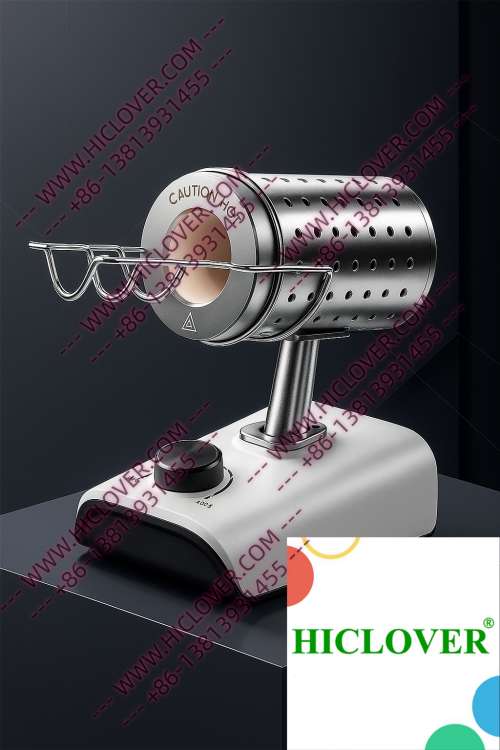
The Micro Incinerator or Infrared Inoculating Loop Sterilizer is an innovative piece of laboratory sterilization equipment designed to address these challenges. Unlike traditional flame methods such as alcohol lamps or Bunsen burners, the Micro Incinerator uses rapid thermal sterilization through an enclosed ceramic tube that generates infrared heat. This design ensures a high-temperature disinfection process that is efficient and safe, significantly reducing the production of aerosols and the risk of fire hazards.
How Micro Incinerators Work
Micro Incinerators operate by utilizing a specialized ceramic heating chamber that provides rapid heating to sterilize inoculating loops quickly. The key benefits of infrared technology include:
- Instantaneous heat generation for quicker response times.
- Environmentally safe with reduced risk of flames and fumes.
- Consistent and uniform heating, ensuring thorough sterilization.
- What is the primary advantage of using a Micro Incinerator over traditional flame sterilizers? The primary advantage lies in its ability to provide rapid and consistent heat for effective sterilization without the risk of open flames, minimizing contamination risk.
- Can Micro Incinerators be used in field testing environments? Yes, they are highly portable and can effectively operate in various field conditions, making them ideal for mobile testing labs.
- How does the sterilization process with an infrared loop sterilizer differ from using flame? The infrared sterilizer offers a more controlled and uniform heating process, leading to fewer aerosols and increased safety during operations.
- Are there any special maintenance requirements for a Micro Incinerator? General maintenance involves cleaning the ceramic heating chamber and ensuring that the device is placed in a well-ventilated area free from flammable materials.
- How do I determine the right sterilizer for my laboratory needs? Factors to consider include the laboratory’s biosafety level, the types of samples handled, and the operational protocols established within your lab.
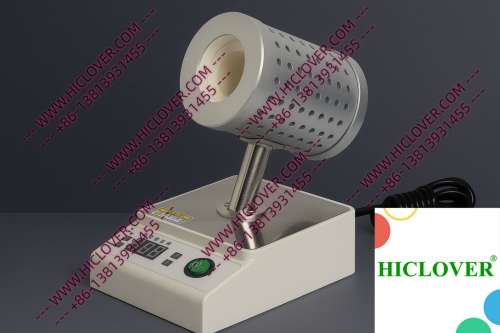
The design allows microbiologists to easily handle and operate the device, making it particularly beneficial for high-throughput labs where time efficiency is crucial. The compactness of the Micro Incinerator also means it can fit conveniently inside biosafety cabinets, ensuring clean-bench-safe operations.
Application Scenarios in Real Labs
1. BSL-2 Microbiology Labs
In BSL-2 labs, where pathogenic organisms are handled, contamination control is of utmost importance. The Micro Incinerator is commonly employed in these settings to sterilize inoculating loops between cultures, preventing cross-contamination. Its operation within a biosafety cabinet allows researchers to maintain a sterile environment while focusing on their experiments. Without the risk of flame, the Micro Incinerator also minimizes the danger of igniting flammable materials nearby.
2. Teaching Laboratories
In educational settings, such as university laboratories, the Micro Incinerator serves as an excellent educational tool. Students learn proper sterilization techniques while using a safe device that eliminates the need for open flames. This is particularly critical in institutions where younger students or less experienced personnel may be participating in hands-on microbiology experiments. Additionally, given the compact size, it can maximize laboratory space, enabling better organization and workflow.
Compliance and Environmental Standards
Adhering to standards set by organizations such as the World Health Organization (WHO) is crucial in microbiology labs. The Micro Incinerator fulfills necessary lab sterilization standards, allowing researchers to avoid open flames in cleanrooms and controlled environments. This compliance not only ensures a safer operational footprint but also contributes to reducing the carbon footprint by eliminating the combustion products associated with traditional burners.
Furthermore, flame sterilizers can pose serious hazards in labs, especially those dealing with volatile chemicals or biological materials. The Micro Incinerator’s design mitigates these risks, aligning with best practices in laboratory safety and operation. This commitment to compliance lends peace of mind to lab managers responsible for staff safety and regulatory adherence.
Micro Incinerator vs. Traditional Flame Sterilizers
| Feature | Micro Incinerator | Flame Sterilizers |
|---|---|---|
| Heat Source | Infrared | Open Flame |
| Contamination Risk | Minimal | Higher |
| Safety in Clean Rooms | Suitable | Not Suitable |
| Operation in BSL-2/BSL-3 | Recommended | Not Recommended |
| Temperature Response Time | Instant | Variable |
Frequently Asked Questions
Conclusion
In an era where laboratory safety is more critical than ever, the Micro Incinerator stands out as a frontline solution for effective sterilization in microbiology labs. By minimizing contamination risks and complying with safety standards, it paves the way for safer and more efficient laboratory practices. Consider integrating the Micro Incinerator into your laboratory sterilization equipment lineup for enhanced safety and performance. Contact us today to learn more about this innovative device and how it can enhance your laboratory’s workflow.
Categories:
Tags: