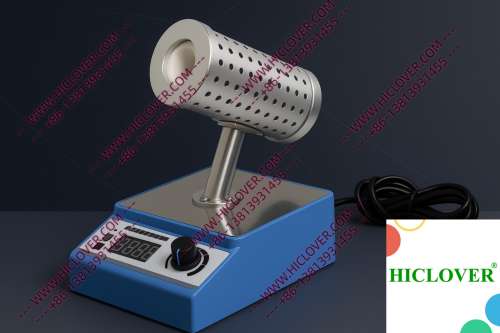
Laboratories face significant biosafety challenges that require stringent sterilization workflows. Particularly in microbiology testing, where precise and uncontaminated sample handling is crucial, the anterior goal is to ensure an environment free from potentially harmful pathogens. In this context, laboratory sterilization equipment plays a vital role, especially the Micro Incinerator or Infrared Inoculating Loop Sterilizer. This article delves into the technical principles, applications, and compliance standards of this essential device, highlighting its superiority over traditional sterilization methods.
Challenges in Laboratory Biosafety
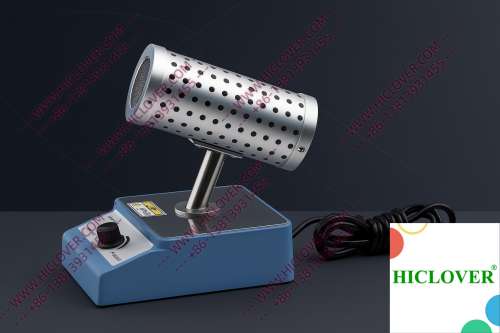
Microbiology laboratories, especially those operating under BSL-2 and BSL-3 conditions, encounter notable risks. Contamination can lead to false diagnostics or uncontrolled outbreaks of infection. Traditional flame sterilizers like alcohol lamps and Bunsen burners, while widely used, pose risks of flames in sterile environments. These open flames can create thermal currents that unknowingly introduce contaminants or pose risks in clean bench operations where aerosols can disperse and compromise sample integrity.
Technical Principles of the Micro Incinerator
At the core of the Micro Incinerator’s functionality is its infrared heating technology. This system employs a closed ceramic tube that provides rapid thermal sterilization by generating high temperatures of up to 800°C. As the loop or other fetching instruments are inserted, they receive precise, consistent heat in a matter of seconds, ensuring quick disinfection without the risk of open flames or aerosol formation.
- Rapid Thermal Sterilization: Achieves sterilization in seconds.
- Contamination Control: Reduces risk associated with open flames.
- Clean-Bench-Safe: Ideal for cleanroom usage.
- Aerosol-Free Handling: Minimizes risk of sample contamination.
- What is a Micro Incinerator?
- A Micro Incinerator is a laboratory device that uses infrared heat for rapid sterilization of inoculating loops and other microbiological tools.
- How does infrared sterilization work?
- Infrared sterilization utilizes enclosed ceramic tubes that emit focused heat, allowing for quick sterilization without open flames.
- Is it safe to use a Micro Incinerator in a biosafety cabinet?
- Yes, the Micro Incinerator’s design makes it an excellent choice for use in biosafety cabinets, ensuring a contamination-free environment.
- What are the advantages of using a Micro Incinerator over an alcohol lamp?
- It has a higher safety profile, eliminates aerosol production, and provides faster sterilization while reducing excessive contamination risks.
- Can I use a Micro Incinerator in a teaching lab setting?
- Absolutely, it’s a beneficial teaching tool for students learning about biosafety and microbiological techniques without the risks associated with open flames.
Application Scenarios of Micro Incinerators
Biosafety Cabinets
In BSL-2 and BSL-3 laboratories, where the handling of pathogenic microorganisms occurs, Micro Incinerators integrate seamlessly into biosafety cabinets. Equipped with these sterile environments, laboratory technicians can perform inoculations and manipulate cultures without the fear of external contamination. The infrared sterilizer allows for quick loop sterilization between sample manipulations, ensuring that each transfer is conducted in an uncontaminated manner, thus improving workflow efficiency.
Field Testing & Clinical Diagnostics
Mobile laboratories or field testing units, particularly in remote areas, rely on robust sterilization tools. The portability of the Micro Incinerator allows scientists and healthcare workers to conduct rapid microbiological assessments without compromising biosafety. For instance, in an outbreak scenario, timely and precise results are critical; thus, having a reliable sterilization method that operates without open flames ensures safety and reliability. Additionally, in clinical diagnostics, it stands out when handling delicate samples requiring immaculate sterility.
Compliance and Environmental Considerations
Compliance with global biosafety standards is paramount for laboratories handling infectious agents. The WHO biosafety guidelines emphasize the importance of effective sterilization techniques to prevent pathogen exposure. Furthermore, laboratory sterilization standards dictate environments must be flame-free, especially in clean rooms where airborne particles might compromise sterile conditions.
Using a Micro Incinerator aids laboratories in adhering to these essential compliance requirements while minimizing hazards associated with traditional flame sterilizers. By transitioning to infrared sterilization systems, laboratories not only enhance safety but also support eco-friendly practices by reducing harmful emissions that traditional burners might release.
Comparison: Micro Incinerator vs. Traditional Flame Sterilizers
| Feature | Micro Incinerator | Flame Sterilizers |
|---|---|---|
| Flame Type | No Flame | Open Flame |
| Aerosol Production | No Aerosols | Possible Aerosols |
| Heating Time | Seconds | Variable |
| Safety Features | High | Low |
| Environmental Impact | Low | High |
FAQs About Micro Incinerators
Conclusion
In an era where biomedical research and clinical diagnostics mandate unyielding accuracy and safety, the Micro Incinerator or Infrared Inoculating Loop Sterilizer emerges as a transformative solution for laboratory sterilization needs. By adopting this advanced sterilization technique, laboratories can significantly enhance operational safety and compliance while ensuring the highest standards in microbiology testing. For more information on integrating a Micro Incinerator into your laboratory sterilization workflow, don’t hesitate to contact us today or proceed with your purchase!
Categories:
Tags: