
In today’s rapidly advancing medical and dental landscape, maintaining laboratory biosafety and hygiene is paramount. As professionals explore new frontiers in treatment and research, ensuring the integrity of samples and the safety of environments becomes a critical consideration. A significant challenge in this domain lies in finding effective sterilization methods that yield rapid, reliable results while adhering to strict regulatory standards. This is especially true in environments where traditional flame sterilizers such as alcohol lamps and Bunsen burners pose risks of contamination and fire hazards. Enter the Micro Incinerator, or Infrared Inoculating Loop Sterilizer—an innovative solution designed to elevate sterilization standards dramatically.
Understanding the Technical Principles of Micro Incinerators
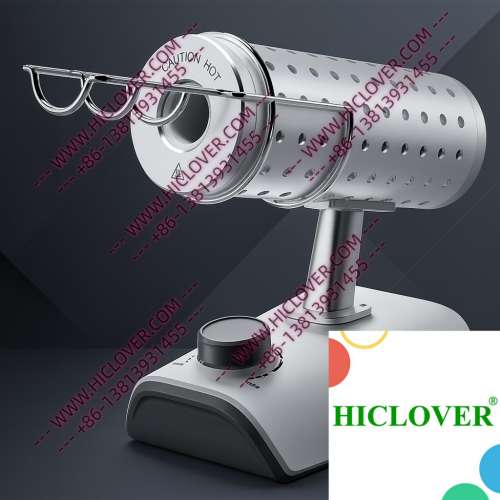
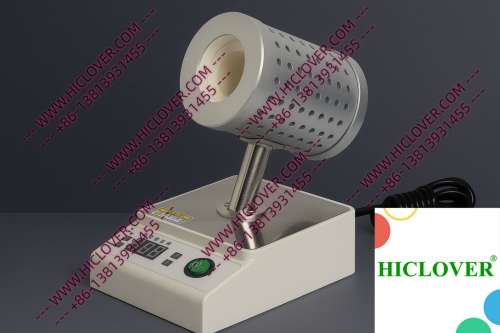
Micro Incinerators employ infrared heat technology within an enclosed ceramic tube, providing rapid thermal sterilization without the risks associated with traditional flame devices. The infrared heating element reaches high temperatures exceptionally quickly, ensuring efficient disinfection of inoculating loops, needles, and other instruments. Unlike flame sterilizers, which can produce aerosols during the sterilization process, the enclosed configuration minimizes contamination risks, making it suitable for clean room and biosafety cabinet operations.
Applications of Micro Incinerators in Laboratory Settings
The versatility of Micro Incinerators sees their application across various laboratory environments. Here are two common scenarios:
- Biosafety Cabinet Environments: In BSL-2 and BSL-3 microbiology labs, where strict contamination control is paramount, Micro Incinerators provide an ideal solution. Their aerosol-free handling ensures samples remain uncontaminated, while rapid sterilization cycles enhance productivity.
- University Teaching Labs: In educational settings, the Micro Incinerator is invaluable for training upcoming scientists. Its user-friendly design allows students to master safe sterilization techniques without the fear of flame-related hazards, promoting a safe learning environment.
- What makes the Micro Incinerator safer than traditional flame sterilizers?
The Micro Incinerator minimizes aerosol production and eliminates open flames, reducing both contamination risks and fire hazards.
- Can the Micro Incinerator be used in field testing labs?
Yes, its portability and rapid sterilization capabilities make it ideal for field testing environments.
- What sterilization standards does the Micro Incinerator comply with?
The device adheres to several international biosafety standards, including those set by the WHO and local health authorities, ensuring safe practices in laboratory settings.
- How long does it take for a Micro Incinerator to reach sterilization temperatures?
Typically, it achieves sterilization temperatures within seconds, enabling swift workflow without compromising safety.
- Is the Micro Incinerator suitable for dental practices?
Absolutely, it is effective for sterilizing dental tools and instruments, enhancing safety and compliance in dental offices.
Compliance and Environmental Considerations in Sterilization
Adhering to worldwide biosafety standards, including WHO guidelines and local regulatory frameworks, is critical in laboratory practices. The use of Micro Incinerators aligns with these standards, promoting safe sterilization without the hazards posed by open flames. Moreover, in clean rooms and sterile environments, the absence of flames means reduced risk of atmospheric contamination, allowing for more reliable lab results, especially crucial in clinical diagnostics and research endeavors.
Comparison: Micro Incinerator vs. Traditional Flame Sterilizers
| Feature | Micro Incinerator | Traditional Flame Sterilizers |
|---|---|---|
| Heating Method | Infrared | Open Flame |
| Safety | Aerosol-free; reduced fire risks | Potential aerosol generation; fire hazards |
| Speed of Sterilization | Rapid | Variable (dependent on user’s technique) |
| Ease of Use | Simple operation | Requires skill to use effectively |
| Compliance with Cleanroom Standards | Highly compliant | Generally not compliant |
Frequently Asked Questions
Conclusion
As laboratories strive for higher standards of safety and efficiency, the adoption of advanced sterilization technologies like the Micro Incinerator / Infrared Inoculating Loop Sterilizer is becoming non-negotiable. Its ability to provide rapid thermal sterilization without the risks associated with traditional flame sterilizers makes it a valuable asset across various applications—from teaching laboratories to high-containment microbiology environments.
For laboratories, hospitals, and universities looking to enhance their sterilization processes, investing in Micro Incinerators offers a significant advantage. Explore our selection today, and elevate your lab practices to meet the most stringent standards of safety and efficiency!
Categories:
Tags: