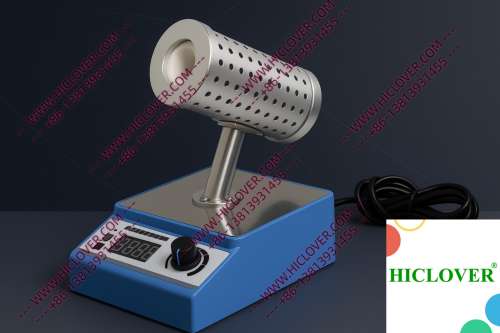
In laboratories worldwide, maintaining a sterile environment is crucial for ensuring the safety and accuracy of experimental outcomes. As modern microbiology faces increasing challenges in biosafety and contamination control, laboratory personnel must adapt to evolving sterilization workflow demands. One significant breakthrough is the Micro Incinerator, also known as the Infrared Inoculating Loop Sterilizer, which offers a superior alternative to traditional flame sterilizers.
Understanding the Technical Principles of the Micro Incinerator
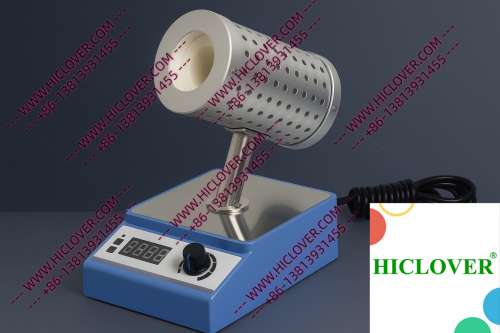
The Micro Incinerator utilizes rapid thermal sterilization principles, harnessing infrared heat to achieve high temperatures efficiently. This technology employs an enclosed ceramic tube that focuses and intensifies the heat while minimizing the risk of accidental ignition or contamination, a common concern with flame-based devices like alcohol lamps and Bunsen burners.
With a compact design, the Micro Incinerator reaches sterilization temperatures within seconds, ensuring that inoculating loops and other tools are effectively disinfected. The infrared high-temperature disinfection process eliminates microbial threats more quickly and cleanly compared to flaming, making it an essential tool for modern microbiology labs.
Advantages Over Traditional Flame Sterilizers
- Safety: No open flame reduces fire hazards and protects users from burns.
- Efficiency: Rapid heating saves time and boosts lab productivity.
- Precision: Focused heat minimizes aerosol production, enhancing contamination control.
- Durability: Designed for rigorous laboratory environments, these sterilizers can withstand repeated use.
- Cleanroom Compatibility: Ideal for cleanbench-safe operations, ensuring compliance with stringent biosafety standards.
- What is the main advantage of using a Micro Incinerator over a Bunsen burner?
The Micro Incinerator provides rapid thermal sterilization without the risks associated with an open flame, enhancing safety and precision. - Can the Micro Incinerator be used in field testing labs?
Yes, its compact design and quick heating capabilities make it suitable for fieldwork where sterilization is essential. - How does the Micro Incinerator impact laboratory safety?
By minimizing aerosol production and eliminating fire hazards, it provides a safer working environment for lab personnel. - Is training required to operate the Micro Incinerator?
While operation is straightforward, it is recommended that users receive proper training to maximize its efficiency and safety. - How does the Micro Incinerator contribute to compliance with biosafety standards?
Its design complies with WHO guidelines and cleanroom regulations, ensuring that labs meet necessary biosafety requirements.
Applications in Real Laboratories
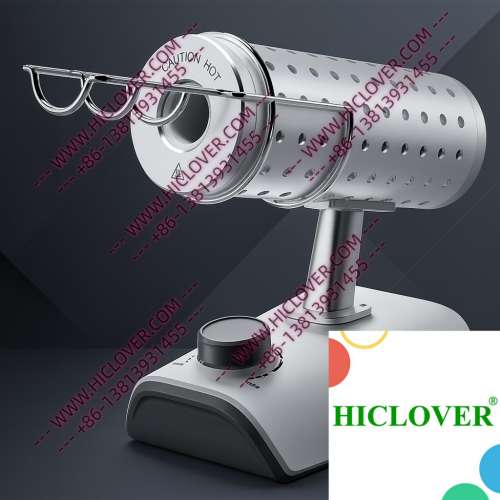
The Micro Incinerator proves highly versatile across various laboratory settings. Here are two prominent application scenarios:
1. University Teaching Labs
In educational institutions, student safety is paramount. Students often engage in practical sessions within microbiology courses, where they practice sterilization techniques. The Micro Incinerator allows students to understand the principles of sterilization without the associated hazards of open flames. The infrared technology encourages them to focus on precision sterilization, which is vital for their future careers in microbiology.
2. Biosafety Cabinets
In BSL-2 and BSL-3 microbiology labs, maintaining a sterile environment is critical to protecting both personnel and samples. The Micro Incinerator can be seamlessly integrated into biosafety cabinets, where scientists perform sensitive experiments. By eliminating aerosols and enhancing contamination control, this device supports compliance with rigorous lab sterilization standards set forth by organizations such as the WHO.
Compliance and Environmental Considerations
Laboratories must adhere to strict biosafety protocols to safeguard both researchers and the environment. The Micro Incinerator aligns with WHO biosafety guidelines, promoting safe laboratory practices while minimizing environmental impact. Traditional flame sterilizers risk producing hazardous fumes and chemical byproducts, whereas the Micro Incinerator maintains a clean workspace without the need for volatile substances.
Moreover, labs operating under strict cleanroom specifications benefit from the Micro Incinerator, where no open flame is allowed. Regulations require that any equipment used in such environments must ensure minimal contamination risks, further highlighting the relevance of this innovative sterilization tool.
Frequently Asked Questions (FAQs)
Conclusion: Embrace Modern Sterilization Techniques
In conclusion, the Micro Incinerator / Infrared Inoculating Loop Sterilizer exemplifies the innovative strides made in laboratory sterilization equipment. By enhancing safety, efficiency, and compliance with biosafety standards, this cutting-edge tool is redefining sterilization practices in various laboratory environments—from university teaching labs to advanced BSL-3 facilities.
As we continue to face challenges in microbiology and biosafety, investing in advanced sterilization solutions like the Micro Incinerator will streamline workflows and improve safety. For more information or to make a purchase, don’t hesitate to contact us.
Categories:
Tags: