
In the rapidly evolving field of microbiology, ensuring biosafety remains paramount. As laboratories face increasing demands for effective sterilization solutions amidst a backdrop of stringent safety regulations and operational efficiency, the Micro Incinerator or Infrared Inoculating Loop Sterilizer presents a robust alternative to traditional sterilization methods, primarily open flames. This article delves into the science behind sterilization, the operational advantages of such equipment, and its vital applications in various laboratory settings.
Laboratory Biosafety Challenges and Sterilization Workflow Demands
Laboratories, particularly those operating in BSL-2 and BSL-3 environments, are tasked with the meticulous management of biohazards. The traditional flame-based sterilizers, like alcohol lamps and Bunsen burners, while widely utilized, introduce several risks including:
- Flame hazards leading to fire risks and burning incidents
- Release of aerosols that pose contamination risk
- Inability to maintain stable operating temperatures, affecting sterilization efficacy
Amidst these challenges, the need for a safer, more efficient sterilization alternative becomes evident, making the Micro Incinerator an essential tool for the modern microbiologist.
Technical Principles of the Micro Incinerator
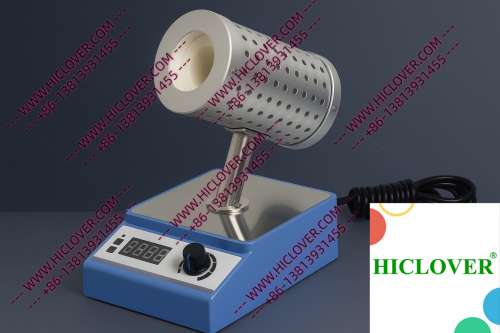
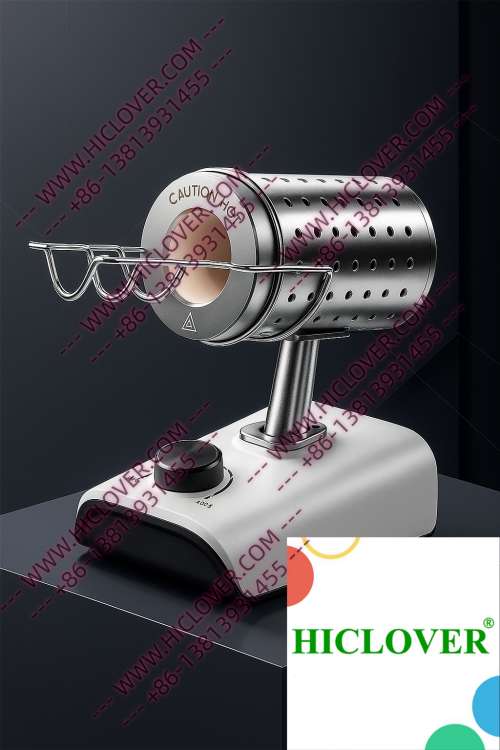
The Micro Incinerator operates on the principle of rapid thermal sterilization. This device utilizes infrared heat, generated by a ceramic heating chamber, to achieve high-temperature disinfection swiftly and effectively. Unlike flame-based methods, which require careful handling and may release harmful by-products, the enclosed design of the Micro Incinerator ensures:
- Contamination control with a clean-bench-safe operation
- Instantaneous heating that minimizes downtime between applications
- Aerosol-free handling, ensuring a cleaner working environment
This translates to higher efficiency during laboratory procedures and significantly reduces safety risks for microbiologists.
Real-World Application Scenarios
Biosafety Cabinet Usage
In a BSL-2 microbiological lab, where containment and sterility are critical, the Micro Incinerator is often employed within a biosafety cabinet. In this controlled environment, microbiologists can safely sterilize inoculating loops and other instruments without compromising the integrity of the biosafety protocols. Its compact design fits seamlessly within the cabinet, allowing for smooth workflow and rapid sterilization between samples, thereby enhancing time management during experimentation.
Field Testing in Mobile Labs
Mobile testing labs, used by organizations and NGOs in the field, face unique challenges, particularly in regions with limited access to traditional sterilization methods. The Micro Incinerator, lightweight and portable, provides rapid sterilization solutions on-site, allowing field scientists to work confidently without the risk of cross-contamination. This device enables quick processing of samples, which is essential when working in areas prone to infectious diseases.
Compliance and Environmental Standards
International health organizations such as the World Health Organization (WHO) have laid down stringent sterilization protocols. Using a Micro Incinerator not only adheres to biosafety standards but also supports cleanroom operations because:
- It eliminates the use of flammable substances, addressing fire safety concerns.
- It conforms to best practices for laboratory sterilization, as outlined in regulatory guidelines from standards organizations.
- A closed heating system reduces the risk of operator exposure to pathogens.
In cities like San Francisco, where research facilities operate in highly regulated environments, the incorporation of such technology is essential not just for compliance, but for advancing laboratory practices.
Advantages of the Micro Incinerator Over Traditional Flame Sterilizers
| Feature | Micro Incinerator | Traditional Flame Sterilizer |
|---|---|---|
| Heat Source | Infrared | Open Flame |
| Contamination Control | Aerosol-Free | Risk of Aerosol Generation |
| Operating Safety | Safe, Enclosed | Flame Hazards |
| Temperature Stability | Consistent High Temperature | Inconsistent Heating |
FAQs About the Micro Incinerator / Infrared Inoculating Loop Sterilizer
Q: How does the Micro Incinerator achieve rapid thermal sterilization?
A: The Micro Incinerator utilizes an enclosed ceramic tube that generates high temperatures via infrared radiation, enabling swift sterilization of inoculating loops and other lab instruments.
Q: Is the Micro Incinerator suitable for field applications?
A: Yes! Its compact design and efficient operation make it ideal for mobile labs operating in various field conditions.
Q: How does this device enhance biosafety in labs?
A: By eliminating open flames and the associated risks, the Micro Incinerator ensures safer working conditions while maintaining rigorous sterilization standards.
Q: What makes the Micro Incinerator environmentally friendly?
A: The use of infrared heat minimizes energy consumption and the absence of flammable substances helps in reducing fire hazards.
Q: Can the Micro Incinerator be used in cleanroom settings?
A: Absolutely, it aligns perfectly with cleanroom requirements, offering a safe, efficient, and clean method for sterilization.
Conclusion
In summary, the integration of the Micro Incinerator into laboratory sterilization workflows is a pivotal step towards enhancing microbiological safety and efficiency. By combining advanced thermal sterilization technology with compliance to stringent biosafety standards, this innovative device meets the modern needs of laboratories, classrooms, and field applications alike. If you are looking to elevate your laboratory processes with state-of-the-art sterilization equipment, contact us today to learn more or to make a purchase!
Categories:
Tags: