
In today’s scientific environment, laboratory biosafety is a non-negotiable. From clinical diagnostics in hospitals to research operations in university labs, maintaining a sterile workspace is crucial for the integrity of results. Traditional flame sterilizers, like Bunsen burners, have been widely used; however, they pose several risks, including the potential for contamination and fire hazards. Enter the Micro Incinerator, also known as the Infrared Inoculating Loop Sterilizer—an innovative solution that addresses these biosafety challenges and more.
Understanding the Technical Principles of Infrared Sterilization
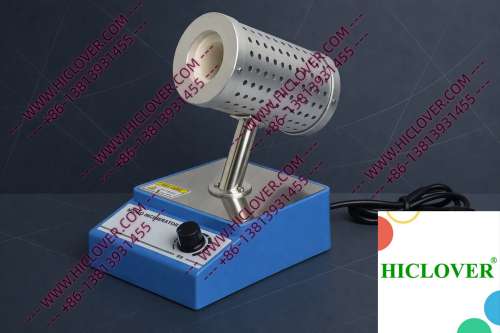
The Micro Incinerator utilizes infrared heat that produces rapid thermal sterilization, effectively eliminating microbial contamination in seconds. This compact device features a ceramic heating chamber, which is much safer and cleaner compared to traditional flame-based methods. The enclosed design prevents aerosol generation, a significant advantage in sterile environments, and provides consistent high-temperature disinfection, ensuring that microbial contaminants do not compromise experimental outcomes.
Advantages of the Micro Incinerator Over Traditional Flame Sterilizers
- Safety: No open flames, reducing the risk of fire and associated hazards.
- Efficiency: Instant heating and cooling speed, minimizing downtime during sterilization.
- Control: Precise temperature regulation for optimal sterilization.
- Environmentally Friendly: Reduced reliance on volatile alcohols and potential pollutants.
- What is the difference between flame sterilizers and Micro Incinerators?
Flame sterilizers utilize open flames, increasing risks of fire and aerosol generation, while Micro Incinerators provide safer, instant infrared sterilization without flames. - How fast can a Micro Incinerator sterilize inoculating loops?
Most Micro Incinerators can sterilize loops in just a few seconds, significantly enhancing workflow efficiency. - Are Micro Incinerators compliant with WHO biosafety standards?
Yes, they meet strict biosafety standards, especially for BSL-2 and BSL-3 labs, by providing robust contamination control without flames. - Can Micro Incinerators be used in teaching labs?
Absolutely! Their safety and ease of use make them perfect for educational settings, allowing students to gain hands-on sterilization experience without hazards. - Do Micro Incinerators require special maintenance?
Regular cleaning of the ceramic tube and periodic checks of electrical components are recommended to ensure longevity and optimal performance.
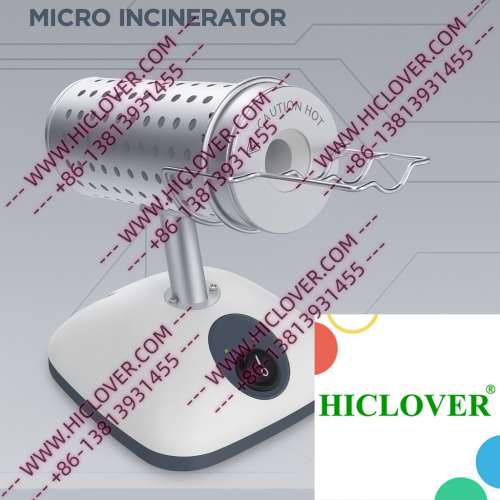
| Feature | Micro Incinerator | Traditional Flame Sterilizer |
|---|---|---|
| Safety | No open flame risk | Open flame risk |
| Heating Time | Seconds | Varies, often longer |
| Portability | Lightweight & compact | Usually larger and less portable |
| Contamination Control | Minimal aerosol generation | Higher aerosol risk due to flame |
Real Lab Applications of Micro Incinerators
Micro Incinerators find robust applications in various laboratory settings. Here are two prominent scenarios:
1. Biosafety Cabinets
In BSL-2 or BSL-3 microbiology labs, where the risk of biohazard exposure is elevated, using a Micro Incinerator in biosafety cabinets enhances contamination control. The rapid sterilization capability ensures that inoculating loops are sterile within seconds, allowing researchers to work efficiently without compromising safety.
2. Field Testing and Teaching Labs
In mobile or field testing labs, logistical challenges can complicate sterilization workflows. The compact size and battery-operated versions of Micro Incinerators make them ideal for on-the-go operations, enabling students and researchers to perform sterile inoculations even in remote settings.
Compliance with Laboratory Standards
Compliance with safety and sterilization standards is crucial for research facilities worldwide. The World Health Organization (WHO) and various national biosafety guidelines mandate strict protocols for lab sterilization. By switching from flame sterilization to infrared methods, laboratories not only comply with these guidelines but also create a clean-bench-safe environment, particularly in clean rooms where open flames are strictly prohibited.
Implementing Micro Incinerators thus aligns with regulatory requirements while promoting a safer atmosphere for lab personnel.
FAQs About Micro Incinerators
Conclusion
In an era where laboratory safety and efficiency are paramount, the Micro Incinerator represents a leap forward in sterilization technology. Its ability to eliminate microbial contamination rapidly and safely makes it an excellent choice for laboratories of all types, including clinical diagnostics, university teaching labs, and more. As you consider upgrading your lab’s sterilization equipment, don’t hesitate to reach out for more information or to make a purchase that will enhance your laboratory operations.
Categories:
Tags: