
In the realm of microbiology, the fight against healthcare-associated infections (HAIs) is a continuous challenge that laboratories and healthcare facilities face daily. One of the primary methods of mitigating contamination and ensuring the safety of laboratory work is through efficient sterilization practices. Among the most effective tools in the sterilization arsenal is the Micro Incinerator / Infrared Inoculating Loop Sterilizer, a modern solution that significantly enhances the workflow and biosafety standards in various laboratory settings.
Understanding the Technical Principles of the Micro Incinerator
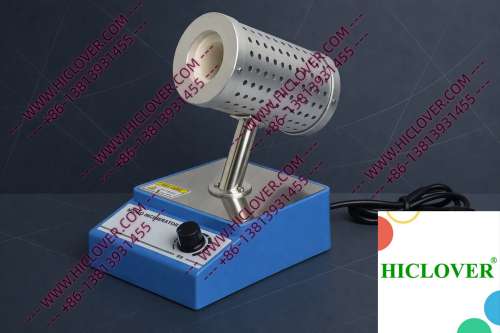
The Micro Incinerator operates on the principle of infrared heat, using an enclosed ceramic tube that generates high temperatures to facilitate rapid thermal sterilization. Unlike traditional flame sterilizers, which can generate uncontrolled heat and aerosols, the Micro Incinerator provides a clean, enclosed environment that minimizes the risk of contamination. The infrared heating element is designed to heat up quickly, allowing users to sterilize inoculating loops and needles in seconds.
This innovative design not only enhances the efficiency of sterilization processes but also reduces the risk of laboratory accidents, particularly in high-stakes environments such as BSL-2 and BSL-3 laboratories, where the potential for airborne pathogens is significantly higher. The Micro Incinerator’s design reflects the need for safety and ease of use in clinical diagnostics, university teaching labs, and even mobile or field testing labs.
Application Scenarios in Real Labs
1. Biosafety Cabinet Operations
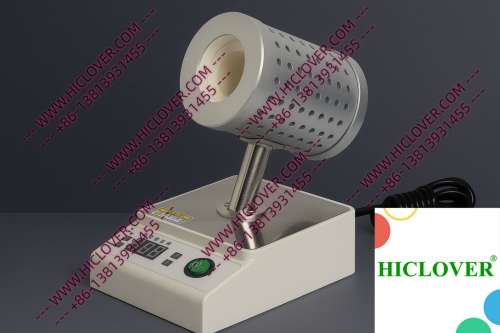
In a typical microbiology lab setting, the Micro Incinerator is often used in conjunction with a biosafety cabinet. These cabinets are critical for protecting both the laboratory personnel and the samples from contamination. The sterilizer can be positioned within the biosafety cabinet, providing a convenient and efficient way to sterilize instruments without exposing them to the external environment.
2. Teaching Labs
University teaching labs benefit greatly from the use of Micro Incinerators, where students learn the essential skills of microbiology. The rapid thermal sterilization process allows students to practice inoculation techniques without the hazardous open flames associated with alcohol lamps and Bunsen burners. This feature not only enhances safety but also fosters a better learning environment, as students can focus on their techniques rather than the risks of fire or uncontrolled heat.
Compliance with Global Biosafety Standards
Rigorous compliance with biosafety standards, such as those set by the World Health Organization (WHO) and other regulatory bodies, is crucial for laboratories handling potentially dangerous biological agents. The Micro Incinerator’s design inherently supports compliance with laboratory sterilization standards, particularly in clean room environments where open flames are prohibited.
- Minimizes the risk of ignition and fire hazards.
- Aerosol-free handling ensures the safety of the laboratory environment.
- Efficient bacterial and viral eradication, meeting sterilization standards.
In many regions, including Europe and North America, laboratories are increasingly mandated to adopt technologies that enhance safety and reduce contamination risks. The Micro Incinerator stands out as a compliant solution for modern laboratories striving to meet these stringent regulations.
Advantages Over Traditional Flame Sterilizers
While traditional alcohol lamps and Bunsen burners have been stalwarts in laboratory settings, they come with their own set of challenges. The comparison table below illustrates the key differences between the Micro Incinerator and traditional flame sterilizers:
| Feature | Micro Incinerator | Traditional Flame Sterilizers |
|---|---|---|
| Safety | No open flame, reducing fire hazards | Open flame creates fire risks |
| Contamination Control | Aerosol-free handling | Aerosols possible during use |
| Efficiency | Rapid sterilization (<10 seconds) | Variable time depending on flame |
| Applications | Suitable for BSL-2/BSL-3 labs, teaching environments | Limited by flame control and safety protocols |
As demonstrated, the Micro Incinerator provides significant advantages in terms of safety, efficiency, and compliance, making it a preferred choice for modern laboratories.
FAQs About Micro Incinerators
What is the primary function of a Micro Incinerator?
The primary function of a Micro Incinerator is to achieve rapid thermal sterilization of inoculating loops and needles through infrared heat, ensuring tools are free from contaminants before they are used in microbiology procedures.
How does the Micro Incinerator enhance laboratory safety?
By eliminating the need for open flames and reducing the potential for aerosol production, the Micro Incinerator significantly lowers the risk of fire hazards and contamination in laboratory environments.
Can the Micro Incinerator be used in field testing applications?
Yes, the compact and portable design of the Micro Incinerator makes it suitable for field testing applications, where quick and effective sterilization is required in mobile laboratory settings.
How does the Micro Incinerator comply with laboratory safety standards?
The Micro Incinerator is designed to meet various biosafety standards, including those set by WHO, by offering a safe, enclosed sterilization process that is compliant with cleanroom regulations.
Is the Micro Incinerator easy to use in a university teaching lab?
Absolutely! The Micro Incinerator is user-friendly and requires minimal training, allowing students to focus more on their laboratory techniques without being distracted by the risks associated with open flames.
Conclusion
The Micro Incinerator is an indispensable asset for laboratories aiming to combat healthcare-associated infections through effective and safe sterilization practices. Its benefits far outweigh those of traditional flame sterilizers, making it essential for modern microbiology labs, teaching environments, and field testing applications. To experience the future of laboratory sterilization, consider upgrading your sterilization equipment to include a Micro Incinerator. Contact us today for more information and enhance your laboratory’s biosafety standards!
Categories:
Tags: