
In today’s fast-paced scientific research environment, laboratory personnel face significant biosafety challenges. Effective sterilization workflows are critical for maintaining a contamination-free environment. Among various sterilization technologies, the Micro Incinerator, specifically the Infrared Inoculating Loop Sterilizer, stands out as a revolutionary tool. This article delves into the technical principles, application scenarios, compliance standards, and benefits of employing micro incinerators in diverse laboratory settings.
Understanding Micro Incinerators: The Technical Principles
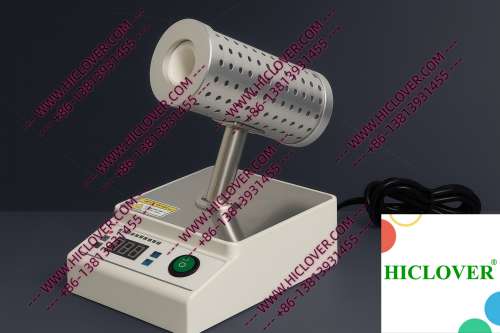
The Micro Incinerator operates on the principle of rapid thermal sterilization through infrared heat. Unlike traditional flame sterilizers, such as Bunsen burners and alcohol lamps, which can produce flames and pose risks in terms of safety and contamination, micro incinerators utilize an enclosed ceramic heating chamber. This design allows the equipment to reach high temperatures quickly, ensuring efficient sterilization of inoculating loops, needles, and other laboratory instruments.
One key advantage of the infrared heating technology is its ability to provide consistent and hassle-free operation. The enclosed ceramic tube protects the user from exposure to open flames, significantly reducing the risk of burns or accidental ignition of flammable substances. As a result, micro incinerators are deemed clean-bench-safe and an excellent choice for sensitive laboratory environments.
Applications of Micro Incinerators in Real Labs
1. Biosafety Cabinets
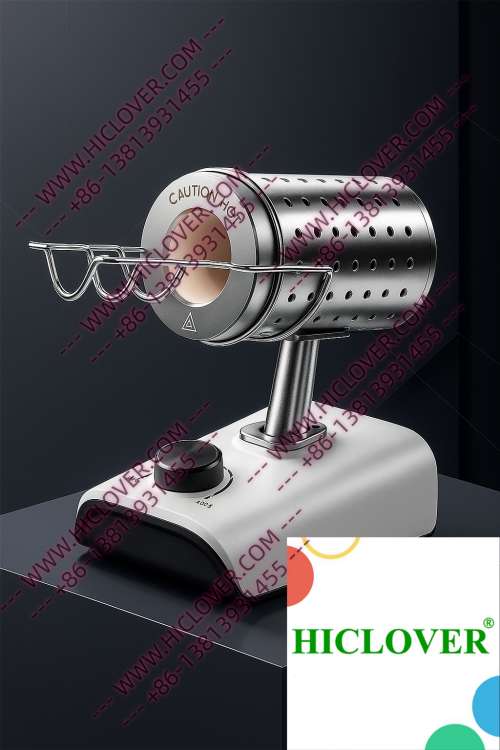
In BSL-2 and BSL-3 microbiology labs, maintaining sterile conditions is paramount. Micro incinerators can conveniently fit within biosafety cabinets, allowing researchers to sterilize tools between sample handling with minimal disruption to airflow. Offsetting traditional flame sterilization methods reduces the risk of aerosol contamination, ensuring a safe working environment.
2. Field Testing Labs
Mobile research teams, often working in outdoor or remote settings, rely on robust sterilization solutions. Micro incinerators provide field-testing labs with portable and efficient sterilization options. With no requirement for external fuel, researchers can sterilize instruments continuously, ensuring sample integrity and safety even in challenging environments.
Compliance with Biosafety Standards
Adhering to established biosafety standards is essential for laboratory operations. The World Health Organization (WHO) emphasizes the importance of controlled sterilization to prevent the spread of infectious agents. Micro incinerators comply with global lab sterilization standards, particularly in sensitive environments where no flame is allowed, such as clean rooms and CO₂ incubator setups.
- WHO Biosafety Guidelines
- CDC Laboratory Safety Guidelines
- ISO 14644 Cleanroom Standards
In contrast to traditional methods, which can compromise microbial containment, micro incinerators offer an aerosol-free solution capable of maintaining strict biosafety protocols.
Advantages of Micro Incinerators Compared to Traditional Flame Sterilizers
| Feature | Micro Incinerator | Traditional Flame Sterilizers |
|---|---|---|
| Heat Source | Infrared heat | Open flame |
| Safety | Minimal risk (no flame) | Burn and fire hazards |
| Efficiency | Rapid thermal sterilization | Variable heat control |
| Contamination Risk | Low (aerosol-free) | Higher (possibility of splatter) |
| Portability | Highly portable | Requires gas supply |
FAQs about Micro Incinerators
1. How does the Micro Incinerator ensure effective sterilization?
The Micro Incinerator utilizes infrared heat, quickly heating the enclosed ceramic tube to sterilize loops and needles through rapid thermal disinfection, ensuring complete microbial eradication.
2. Can I use a Micro Incinerator in a field testing environment?
Absolutely! Micro Incinerators are portable and efficient, making them ideal for field testing labs where traditional flame sterilizers may not be feasible.
3. Are Micro Incinerators compliant with US laboratory safety standards?
Yes, they adhere to established guidelines from organizations like the WHO and CDC, making them suitable for use in various laboratory settings, including BSL-2 and BSL-3 labs.
4. What are the main benefits of choosing a Micro Incinerator over traditional sterilization methods?
Micro Incinerators offer enhanced safety, rapid sterilization, low contamination risk, and portability compared to traditional flame sterilizers, reducing the potential hazards in laboratory environments.
5. What type of instruments can be sterilized using a Micro Incinerator?
A Micro Incinerator is highly versatile and can sterilize inoculating loops, needles, and other laboratory tools effectively, providing reliable sterilization for various applications.
Conclusion
The Micro Incinerator, particularly the Infrared Inoculating Loop Sterilizer, presents a groundbreaking solution to the significant sterilization challenges faced in modern laboratories. Its advanced technology ensures superior safety, compliance with biosafety standards, and versatility across various applications, including clinical diagnostics, university teaching labs, and more. If you’re looking to enhance your laboratory’s sterilization protocols, consider integrating a Micro Incinerator into your workflow. For inquiries or to explore our range of advanced laboratory sterilization equipment, please contact us today!
Categories:
Tags: