
In the pursuit of sustainable laboratory practices, the demand for effective and environmentally friendly sterilization methods has risen sharply. Norwegian laboratories face practical biosafety challenges ranging from ensuring contamination control in diverse research conditions to meeting rigorous sterilization workflow demands. This is where micro incinerators, particularly the Infrared Inoculating Loop Sterilizer, step in as a revolutionary solution.
Understanding the Micro Incinerator: A Technical Overview
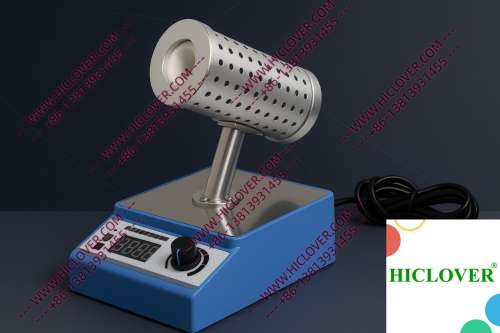
The Micro Incinerator operates on the principle of rapid thermal sterilization using infrared technology. This innovative device features an enclosed ceramic heating chamber, which allows for high-temperature disinfection without open flames. Unlike traditional flame sterilizers such as alcohol lamps and Bunsen burners, which can introduce environmental hazards, micro incinerators create a clean, aerosol-free working environment.
- Infrared Heating: Quickly achieves high temperatures for effective sterilization.
- Enclosed Design: Reduces the risk of cross-contamination and ensures user safety.
- Compact Size: Perfectly fits within biosafety cabinets and various working environments.
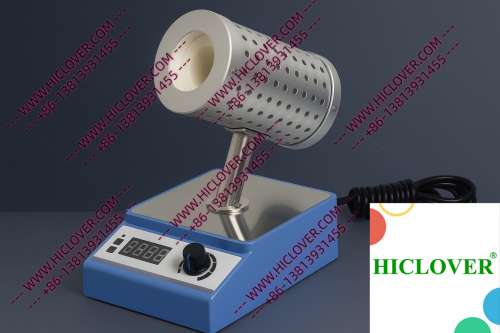
This technology provides a significant advantage over traditional methods by minimizing the risk of flame-related incidents and enabling precise temperature control. Its design caters to laboratories adhering to Good Laboratory Practice (GLP) standards, making it ideal for both teaching lab environments and research facilities.
Application Scenarios: Real-World Uses of Micro Incinerators
Micro incinerators have become indispensable tools in many settings throughout Norway, as well as in other biosafety-conscious regions. Below are two notable application scenarios:
1. Biosafety Cabinets in BSL-2 Labs
In microbiology laboratories operating at Biosafety Level 2 (BSL-2), maintaining strict contamination control is critical. The Micro Incinerator can be utilized within biosafety cabinets to quickly sterilize inoculating loops and other equipment. With its enclosed system, lab personnel can efficiently eliminate microbial threats while maintaining a clean environment, thus conforming to World Health Organization (WHO) biosafety guidelines.
2. Field Testing Laboratories
In Norway, where biotechnological innovations often require testing in natural habitats, mobile or field testing labs are essential. The compact nature of micro incinerators makes them an ideal choice for fieldwork, allowing researchers to sterilize their tools on-site without the need for electricity or a stable power supply. This mobile capability enhances operational flexibility while ensuring compliance with safety and environmental protocols.
Compliance and Environmental Considerations
The integration of micro incinerators in laboratories resonates strongly with modern biosafety and environmental requirements. Notably, WHO biosafety standards advocate for sterility and safety across clinical and research settings. Furthermore, strict lab sterilization standards emphasize the necessity of avoiding open flames in cleanrooms to prevent contamination from soot and other residues.
Utilizing infrared inoculating loop sterilizers aligns with these regulations, ushering in a new era of pollution-free laboratory practices. This innovation not only supports local Norwegian laws but also resonates with broader global movements aimed at reducing carbon footprints in research settings.
Comparison Table: Micro Incinerators vs. Traditional Flame Sterilizers
| Feature | Micro Incinerator | Flame Sterilizer |
|---|---|---|
| Heating Method | Infrared | Open Flame |
| Contamination Control | High | Medium |
| Flexibility | High | Medium |
| Environmental Safety | Excellent | Moderate |
| User Safety | High | Low |
Frequently Asked Questions
Q1: What are the primary benefits of using a Micro Incinerator over traditional flame sterilizers?
A1: Micro Incinerators provide enhanced safety, effective contamination control, and rapid thermal sterilization without producing harmful smoke or residues.
Q2: Can a Micro Incinerator be used in a cleanroom environment?
A2: Yes, the enclosed design of the Micro Incinerator makes it suitable for cleanrooms, adhering to protocols that restrict open flames.
Q3: What types of laboratories benefit most from using Micro Incinerators?
A3: Micro Incinerators are ideal for BSL-2 and BSL-3 microbiology labs, clinical diagnostics, teaching labs, and mobile laboratory settings.
Q4: Is the Micro Incinerator compliant with WHO standards?
A4: Yes, micro incinerators are designed to meet WHO biosafety and sterilization standards, ensuring safe laboratory practices.
Q5: How does the Micro Incinerator fit into environmentally friendly lab practices?
A5: By eliminating the need for combustion and reducing chemical waste, Micro Incinerators support sustainable lab operations and help minimize the carbon footprint.
Conclusion: Embrace the Future of Laboratory Sterilization
The integration of Micro Incinerators in laboratory settings represents a significant advancement in sterilization technology. For laboratory supply distributors, hospitals, universities, and research centers eager to comply with modern environmental standards and enhance workflow efficiency, investing in an Infrared Inoculating Loop Sterilizer is a coherent choice. Join the movement towards safer, cleaner, and more efficient laboratory practices that Norway proudly champions. Let’s connect today to enhance your sterilization workflow!
Categories:
Tags: