
Laboratories are constantly challenged by the need for stringent biosafety measures and effective sterilization techniques. In the dynamic environments of BSL-2 and BSL-3 microbiology labs, traditional sterilization methods like alcohol flames or Bunsen burners present a myriad of risks, including aerosol generation, contamination, and potential injury. Enter the innovative Micro Incinerator / Infrared Inoculating Loop Sterilizer, a rapidly emerging solution that promises a safer and more efficient alternative.
Challenges in Laboratory Biosafety and Sterilization Workflow
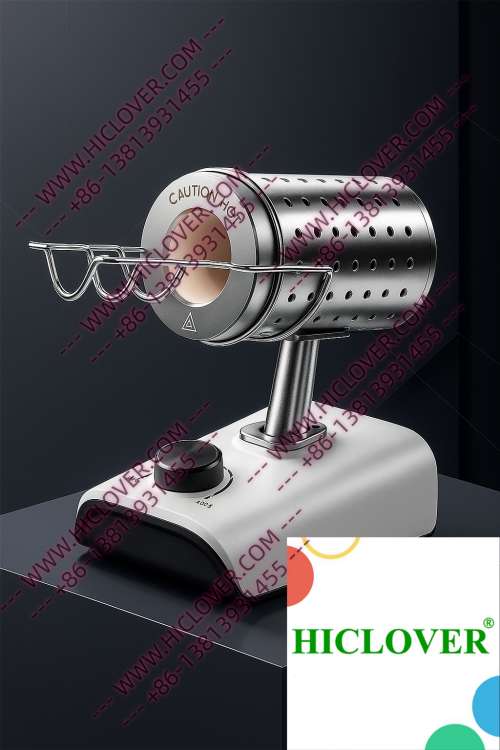
Ensuring the sterility of inoculating loops and other lab tools is essential in maintaining biosafety standards. As research progresses and public health demands escalate, laboratories must adapt their sterilization processes to minimize risks associated with traditional flame sources. In addition to creating a safer workspace, the sterilization workflow must be efficient to accommodate time-sensitive experiments.
Technical Principles of Infrared Sterilization
The Micro Incinerator operates on fundamental principles of infrared heat and a ceramic heating chamber, which together provide an effective disinfecting mechanism. Utilizing high-temperature infrared energy, the device achieves rapid thermal sterilization, resulting in the elimination of pathogens without the open flame associated with conventional sterilization methods.
Specifically, the enclosed ceramic tube used in the Micro Incinerator allows for increased efficiency and focused heat distribution. This minimizes the risk of burns or flames igniting nearby materials—benefits that are particularly crucial in laboratory settings.
Application Scenarios in Real Laboratories
Biosafety Cabinets and Clean Room Operations
In environments such as biosafety cabinets, where maintaining sterile conditions is paramount, the Micro Incinerator enhances contamination control. The flameless design and rapid sterilization not only protect personnel but also help in preserving the integrity of experiments by ensuring that there are no aerosols or flame residues contaminating samples.
Field Testing and Mobile Laboratories
Moreover, in mobile or field testing laboratories, the Micro Incinerator proves invaluable. Scientists conducting field research in remote locations often lack access to reliable power sources for sterilization. The compact and robust design of the Micro Incinerator allows for effective sterilization operations without reliance on traditional energy sources or open flames, making it perfect for rapid testing scenarios.
Compliance with Biosafety Standards
In light of the stringent biosafety protocols outlined by organizations such as the WHO and various local regulations, the adoption of flameless sterilization methods in laboratories has become imperative. Flame sterilizers often violate clean room compliance requirements due to the flame hazards they introduce, while systems like the Micro Incinerator align seamlessly with safety standards.
Table: Comparison of Micro Incinerator vs. Flame Burners
| Feature | Micro Incinerator | Flame Burners |
|---|---|---|
| Heat Source | Infrared | Open Flame |
| Risk of Contamination | Minimal | High |
| Efficiency | Rapid Thermal Sterilization | Varied |
| Operational Safety | High | Moderate to Low |
| Portability | Highly Portable | Less Portable |
Frequently Asked Questions
- What are the main benefits of using a Micro Incinerator in a laboratory?
The Micro Incinerator provides rapid and safe sterilization, reducing contamination risks and creating a more efficient workflow. - Can the Micro Incinerator be used in outdoor environments?
Absolutely! Its portability and flameless design make it ideal for outdoor and field testing labs. - How does the infrared heat technology work?
Infrared heat generates sufficient temperatures necessary for sterilization without the risks associated with open flames. - Is there any maintenance required for the Micro Incinerator?
Regular inspections and cleanings are recommended to ensure optimal performance, but overall maintenance is minimal. - Is the Micro Incinerator compliant with global biosafety standards?
Yes, it is designed to meet WHO biosafety standards and is suitable for use in clean rooms and other sensitive environments.
Conclusion
The evolution of laboratory sterilization is reflected in the growing adoption of flameless technologies like the Micro Incinerator. By minimizing risks while enhancing sterilization efficiency, this innovative tool meets the demands of modern laboratories—from university teaching labs to clinical diagnostics and beyond. For laboratories looking to upgrade their sterilization equipment, consider exploring the benefits of the Micro Incinerator. Contact us today to learn more!
Categories:
Tags: