
In the realm of laboratory biosafety, the need for effective sterilization methods has never been more critical. Laboratories face numerous challenges, from contamination control to maintaining sterile environments in a variety of settings. As biological materials are manipulated, the risk of contamination can lead to inaccurate results, unsafe conditions, and compromised research. This is particularly evident in BSL-2 and BSL-3 microbiology labs where strict contamination norms must be adhered to, making the adoption of advanced sterilization equipment essential.
Technical Principles Behind the Micro Incinerator
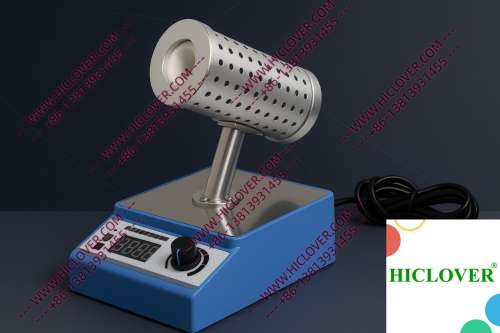
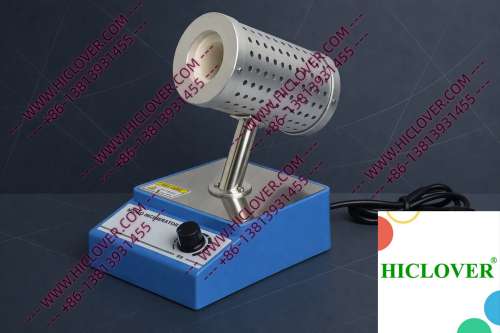
The Micro Incinerator, specifically the Infrared Inoculating Loop Sterilizer, has transformed the landscape of sterile handling in labs. Unlike traditional flame sterilizers such as alcohol lamps or Bunsen burners, which are often cumbersome and pose safety risks, the Micro Incinerator operates using infrared heat within an enclosed ceramic tube. This innovative design allows for rapid thermal sterilization that is not only efficient but also enhances safety by eliminating open flames.
When an inoculating loop is introduced into the incandescent chamber, the infrared high-temperature disinfection occurs almost instantaneously. The enclosed nature of the design minimizes the potential for aerosolized particles, ensuring that the environment remains clean and uncontaminated. The ceramic heating chamber enhances the heat retention capabilities and ensures uniform heating, further increasing the reliability of sterilization.
Comparative Advantages Over Traditional Flame Sterilizers
The shift from flame-based sterilization methods to infrared sterilizers, such as the Micro Incinerator, offers significant advantages in laboratory workflows:
| Feature | Micro Incinerator | Flame Sterilizers |
|---|---|---|
| Safety | Touch-free, no open flames | Risk of burns and fire hazards |
| Efficiency | Rapid thermal sterilization | Longer heating times |
| Contamination Control | Aerosol-free handling | Aerosol production during use |
| Environmental Impact | Operates without flammable substances | Involves harmful materials |
Application Scenarios in Real Labs
The versatility of the Micro Incinerator extends across various laboratory settings, from clinical diagnostics to educational institutions. Here are two noteworthy application scenarios:
Biosafety Cabinet Usage
In sterile environments such as biosafety cabinets, researchers utilize the Micro Incinerator to sterilize inoculating loops before and during experiments. The touch-free design ensures that users can maintain a safe distance from potentially hazardous materials, contributing to an efficient workflow while minimizing contamination risks. This aspect is particularly crucial when handling pathogenic organisms that demand a BSL-2 or BSL-3 environment.
Mobile Testing Labs
Field testing environments also benefit immensely from touch-free sterilization. For instance, during an outbreak response, epidemiologists rely on portable laboratories to conduct on-site investigations. The Micro Incinerator, being lightweight and easily transportable, provides rapid sterilization of tools, ensuring that samples collected in the field are processed without risk of contamination.
Compliance and Environmental Considerations
Alongside operational efficiency, compliance with established laboratory sterilization standards is paramount. Organizations such as the World Health Organization (WHO) and regulatory bodies have set stringent biosafety standards to mitigate risks associated with microbial handling. The Micro Incinerator’s design aligns with these standards, particularly by ensuring no flames are present in clean rooms, thereby minimizing any risks of ignition and chemical contamination.
Moreover, with a heightened focus on environmental sustainability, the Micro Incinerator presents an eco-friendly alternative to traditional sterilization methods by reducing reliance on flammable and hazardous materials commonly used in flame sterilizers. This move not only enhances laboratory safety but also caters to institutions striving for greener practices.
Frequently Asked Questions
- What is the primary benefit of using a Micro Incinerator over traditional flame sterilizers?
The Micro Incinerator offers enhanced safety and efficiency with touch-free sterilization, significantly reducing the risks associated with open flames. - How does the Micro Incinerator ensure contamination control?
The enclosed ceramic tube design minimizes aerosol production during use, providing an aerosol-free handling experience. - Can the Micro Incinerator be used in field testing labs?
Yes, its lightweight and portable design make it ideal for use in mobile testing environments. - What regulations does the Micro Incinerator comply with?
The device meets WHO biosafety standards and other laboratory sterilization guidelines, ensuring safe operation in sensitive environments. - How quickly can the Micro Incinerator sterilize an inoculating loop?
The Micro Incinerator achieves rapid thermal sterilization, allowing loops to be ready for use almost immediately.
Conclusion
The transition to touch-free sterilization technologies such as the Micro Incinerator is not just a trend but a necessary evolution in laboratory practices. By adopting this advanced sterilization equipment, laboratories can significantly enhance safety, efficiency, and compliance with regulatory standards. As the pressures of modern science and the demands for rigorous biosafety standards intensify, investing in a Micro Incinerator can further solidify your commitment to maintaining a contaminant-free environment.
If your laboratory is ready to enhance its sterilization processes, consider reaching out for more information on the Micro Incinerator. The future of laboratory safety and efficiency is touchless, and we are here to help you take that next vital step.
Categories:
Tags: