
As the world continues to grapple with pollution and waste management challenges, Argentina stands at the forefront of innovation in laboratory sterilization solutions. Bioresearch facilities, educational institutions, and clinical laboratories encounter practical biosafety challenges when managing biohazardous materials. A critical aspect of their operations is effective sterilization, and many are turning to portable micro incinerators to meet these stringent demands. Among the leading technologies is the Micro Incinerator, also known as the Infrared Inoculating Loop Sterilizer, designed to facilitate rapid thermal sterilization in an eco-friendly manner.
Principles of Operation
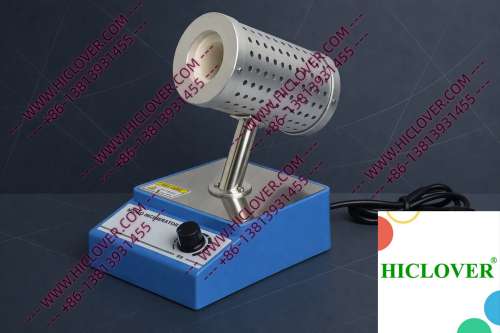
The Micro Incinerator utilizes infrared heat generated within a carefully designed ceramic heating chamber, providing prompt and efficient high-temperature disinfection. This method is especially effective for eliminating contaminants quickly and safely. Unlike traditional flame sterilizers, which utilize open flames (such as Bunsen burners and alcohol lamps), micro incinerators ensure a clean and controlled process that minimizes aerosol production, thus enhancing safety in laboratory environments.
Device Configuration
The compact design of the Micro Incinerator allows it to be utilized in diverse laboratory settings. Key components include:
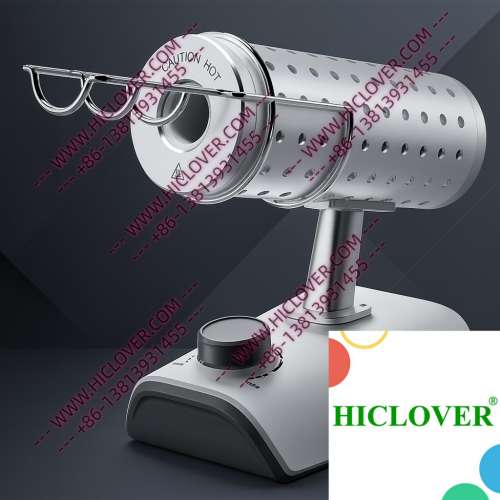
- Ceramic Tube: The enclosed ceramic tube focuses the infrared heat to sterilize inoculating loops and other laboratory tools uniformly.
- Temperature Control: With precise temperature management, the Micro Incinerator can achieve optimal sterilization parameters without the risk of physical damage to delicate instruments.
- Portability: This lightweight design enables easy transport across various lab environments, be it a BSL-2/BSL-3 microbiology lab, a teaching laboratory, or even mobile testing facilities.
Real-World Applications
1. Biosafety Cabinets
Within high-containment biosafety cabinets, laboratory personnel are tasked with manipulating potentially hazardous materials. The Micro Incinerator is ideal for use in such environments, where rapid sterilization of inoculating loops is critical to avoiding cross-contamination. Its flame-free operation aligns with the stringent requirements of cleanroom protocols, ensuring that the working environment remains aerosol-free.
2. Field Testing Scenarios
In mobile testing labs deployed for environmental monitoring or clinical diagnostics in remote areas of Argentina, the Micro Incinerator provides a vital solution. The ability to sterilize tools effectively without relying on traditional flame methods enhances safety for personnel operating in varied and often challenging environments. Consequently, it supports the integrity of sample collection processes and maintains the highest standards of biosafety.
Compliance and Environmental Considerations
Adhering to the World Health Organization (WHO) biosafety guidelines and meeting lab sterilization standards is non-negotiable in scientific research. The Micro Incinerator aligns with these standards by enabling no flame operation within cleanrooms, which is crucial for preventing contamination and adhering to best practices in biosafety. In Argentine laboratories, where strict compliance is essential, the Micro Incinerator emerges as a preferred choice for stakeholders committed to environmental sustainability and hygiene.
Advantages Over Traditional Flame Sterilizers
| Feature | Micro Incinerator | Flame Sterilizers |
|---|---|---|
| Temperature Control | Precise, adjustable | Less control, variable quality |
| Safety | Flame-free operation | Risk of fire and burns |
| Environmental Impact | Eco-friendly, minimal emissions | Higher carbon footprint |
| Mobility | Lightweight, portable | Bulkier, less portable |
Frequently Asked Questions
What are the main benefits of using a Micro Incinerator in the lab?
The Micro Incinerator offers rapid thermal sterilization, minimal emissions, and portability compared to traditional sterilization methods, thereby enhancing safety and compliance in laboratory settings.
Can the Micro Incinerator be used in BSL-2 laboratories?
Yes, the Micro Incinerator is suitable for BSL-2 and BSL-3 laboratories, as it meets biosafety guidelines and operates without open flames, ensuring a safe working environment.
How does the Micro Incinerator affect environmental compliance?
The Micro Incinerator contributes to environmental sustainability by reducing hazardous emissions associated with traditional flame sterilizers. This aids compliance with WHO biosafety standards.
Is training required to use the Micro Incinerator safely?
While the Micro Incinerator is designed for ease of use, it is recommended to provide hands-on training to ensure proper sterilization techniques and safety measures are understood by all laboratory personnel.
Where can I purchase a Micro Incinerator in Argentina?
High-quality Micro Incinerators can be sourced from laboratory supply distributors, medical supply companies, or directly from manufacturers who specialize in biosafety equipment throughout Argentina.
Conclusion
In conclusion, the Micro Incinerator and its infrared sterilization technology stand out as essential tools in Argentina’s ongoing fight against pollution and laboratory biohazards. The advantages they offer over traditional flame sterilizers — in terms of safety, efficiency, and compliance — make them invaluable assets in biosafety laboratories, educational institutions, and mobile testing facilities alike. If you’re looking to enhance your laboratory’s sterilization practices while adhering to safety standards, reach out today to explore how the Micro Incinerator can revolutionize your operations.
Categories:
Tags: