
As laboratories continue to face strict biosafety challenges and evolving sterilization workflow demands, the need for efficient and effective sterilization solutions becomes paramount. In particular, the emergence of Micro Incinerators, such as the Infrared Inoculating Loop Sterilizer, has garnered attention for their pivotal role in laboratory sterilization equipment.
Understanding Micro Incinerators
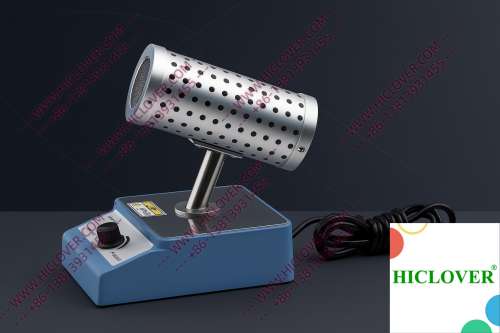
The core technical principle behind Micro Incinerators is the rapid thermal sterilization achieved through infrared heat. These devices utilize an enclosed ceramic tube that allows for high-temperature disinfection without the risk of flame, making them particularly safe for use in clean environments. This technology not only promotes effective sterilization but also enhances the overall workflow within laboratory settings.
Advantages Over Traditional Flame Sterilizers
Micro Incinerators offer several advantages compared to traditional flame sterilizers like alcohol lamps and Bunsen burners:
- Safety: Eliminating open flames reduces the risk of fire hazards.
- Efficiency: Rapid thermal sterilization allows for quicker turnaround times in sterilization processes.
- Contamination Control: The closed design minimizes the risk of airborne contamination.
- Clean-Bench Compliance: Infrared technology enables safe handling in biosafety cabinets and clean rooms.
- Versatility: Suitable for a wide range of laboratory applications including microbiology and clinical diagnostics.
- No open flame means decreased risk of igniting volatile substances.
- Control over aerosol generation, contributing to a cleaner workspace.
- High-temperature disinfection compatible with clean room operations and CO₂ incubators.
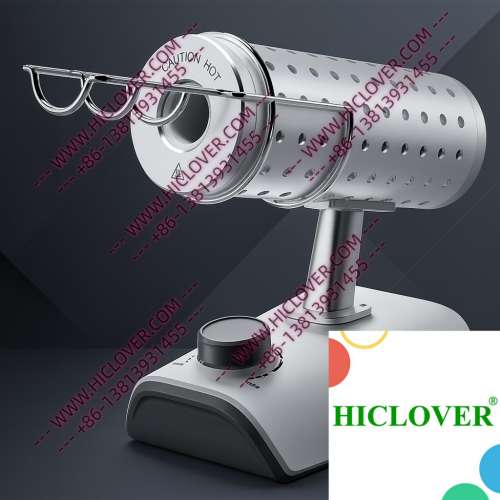
Application Scenarios in Real Labs
Micro Incinerators are not just theoretical innovations; they are actively employed in various laboratory environments. Here are two notable application scenarios:
1. University Teaching Labs
In academic settings, where students learn aseptic techniques, Micro Incinerators serve as vital laboratory sterilization equipment. Their rapid thermal sterilization capabilities allow students to efficiently sterilize inoculating loops and needles between procedures without the anxiety of managing an open flame. The controlled environment of these labs fosters better learning, as students can focus on mastering techniques without safety distractions.
2. Clinical Diagnostics
In BSL-2 and BSL-3 microbiology labs dedicated to clinical diagnostics, the Micro Incinerator plays a crucial role in maintaining sterile conditions. With the constant risk of contamination in handling specimens, the infrared technology allows lab technicians to rapidly and effectively sterilize tools within a biosafety cabinet. This contributes to accurate, reliable results while complying with stringent WHO biosafety protocols.
Compliance and Environmental Considerations
Adhering to lab sterilization standards is non-negotiable for laboratories operating under strict regulatory guidelines. The World Health Organization (WHO) emphasizes the importance of biosecurity measures, particularly in facilities handling hazardous pathogens. Micro Incinerators are designed to meet these rigorous standards while offering a safer alternative for sterilization. Key advantages include:
Comparison Table: Micro Incinerator vs. Flame Burners
| Feature | Micro Incinerator | Flame Burners |
|---|---|---|
| Safety | No open flame | Open flame risk |
| Efficiency | Rapid thermal sterilization | Slower heating times |
| Contamination Risk | Low aerosol generation | Potential for airborne contaminants |
| Versatility | Suitable for various lab settings | Limited to specific applications |
FAQs About Micro Incinerators
What is a Micro Incinerator?
A Micro Incinerator is a laboratory sterilization device that uses infrared heat to achieve rapid thermal sterilization of tools like inoculating loops and needles.
How does a Micro Incinerator work?
It works by generating high temperatures within an enclosed ceramic tube, effectively sterilizing equipment without the hazards associated with an open flame.
What are the advantages of Micro Incinerators over traditional methods?
Micro Incinerators provide enhanced safety, efficiency, and contamination control compared to traditional flame sterilizers like alcohol lamps and Bunsen burners.
Where are Micro Incinerators typically used?
They are used in university teaching labs, clinical diagnostics (BSL-2 and BSL-3), and mobile or field testing labs, among others.
How do Micro Incinerators comply with biosafety standards?
They meet WHO guidelines for biosecurity by minimizing risk factors such as open flames and aerosol generation, particularly in clean room environments.
Conclusion: Embrace the Future of Laboratory Sterilization
As laboratory settings demand more efficient and secure sterilization methods, Micro Incinerators stand out as a pivotal solution. Their ability to provide high-temperature disinfection while ensuring safety, compliance, and efficiency addresses critical challenges faced by modern laboratories. For laboratories, hospitals, universities, and research centers in Dutch cities concerned with sterilization needs, investing in a Micro Incinerator can significantly enhance operational workflows and biosafety protocols.
Explore the advantages of Micro Incinerators today. For more information on our range of infrared inoculating loop sterilizers, please contact us or visit our website.
Categories:
Tags: