
In today’s scientific landscape, laboratories face stringent biosafety challenges that require innovative solutions for contamination control and waste management. Amongst these, rapid thermal sterilization has emerged as a vital process that aligns with both operational efficiency and safety standards. Specifically, the Micro Incinerator, or Infrared Inoculating Loop Sterilizer, is revolutionizing sterilization workflows across various laboratory settings, offering a compact yet powerful solution to ensure safe and compliant laboratory practices.
Understanding Micro Incinerators
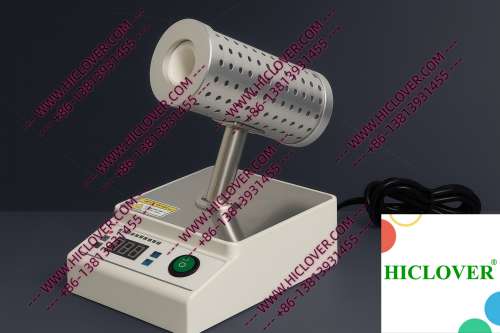
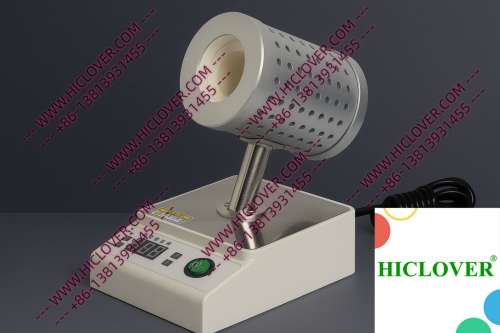
The Micro Incinerator operates on the principle of infrared heat, utilizing an enclosed ceramic tube that reaches high temperatures for effective sterilization. This device allows rapid sterilization of inoculating loops, needles, and other small tools without the need for open flames, making it an ideal choice for clean environments. The design emphasizes safety, minimizing the risk of aerosol contamination and allowing for more efficient workflow in busy labs where time is of the essence.
Benefits Over Traditional Flame Sterilizers
Unlike traditional flame sterilizers such as alcohol lamps or Bunsen burners, micro incinerators present distinct advantages, including:
- Non-flame Operation: Enhances safety in clean rooms and biosafety cabinets.
- Quick Heating Time: Achieves sterilization in mere seconds, reducing wait times.
- No Aerosols: Controls the risk of cross-contamination during sterilization.
- Low Energy Consumption: Offers a sustainable option for laboratories.
- What types of sterilization can be achieved with a micro incinerator?
Micro incinerators effectively sterilize inoculating loops, needles, and other small metal instruments using infrared heat. - Why is it better to use micro incinerators over traditional flame methods?
They provide quicker sterilization, reduced risk of contamination, and enhanced safety due to the absence of open flames. - How frequently should a micro incinerator be checked for safety compliance?
Regular checks should be conducted to ensure optimal function, typically in line with laboratory audit schedules or at least bi-annually. - Are micro incinerators suitable for BSL-3 labs?
Yes, their design makes them compliant and safe for use in high-containment laboratories. - Can micro incinerators be used in field testing?
Absolutely; their compact and portable nature makes them ideal for use in field research settings.
Real-World Applications of Micro Incinerators
Micro incinerators find valuable applications in various settings, from BSL-2 and BSL-3 microbiology labs to university teaching labs. Here are two notable scenarios:
1. Biosafety Cabinets in Microbiology Labs
Within a BSL-2 laboratory, the Micro Incinerator helps maintain a sterile working environment by providing an efficient means to sterilize inoculating loops and other lab equipment. The compact design allows it to fit comfortably within a biosafety cabinet, ensuring that all sterilization processes remain contamination-free. This is particularly critical when working with pathogenic microorganisms, where even minor lapses in sterilization can lead to severe consequences.
2. Field Testing Laboratories
Mobile or field testing labs, which may not have access to permanent installations, benefit significantly from micro incinerators. Field researchers conducting environmental microbiology studies can utilize these sterilizers to quickly and effectively decontaminate tools—whether in remote locations or while sampling, ensuring that results remain valid and uncontaminated. The robustness and portability of micro incinerators make them an indispensable asset in such mobile setups.
Compliance and Environmental Considerations
Adhering to biosafety guidelines set by the World Health Organization (WHO) and other regulatory bodies is paramount for laboratories. Sterilization standards mandate that lab operations utilize compliant methods to prevent the spread of infections and contamination. Micro incinerators stand out as a preferred method, particularly in sterile environments such as clean rooms where flame-based sterilization is often prohibited. These devices align with stringent safety regulations, offering a non-open flame solution that minimizes environmental impact and aligns with sustainability goals.
FAQs about Micro Incinerators
Conclusion
As laboratories increasingly face challenges related to waste management and contamination, the adoption of micro incinerators provides an effective and safe means to address these issues. With their rapid thermal sterilization capabilities, compliance with international safety standards, and versatility across various laboratory settings, they represent a significant evolution in sterilization technology. For high-quality Micro Incinerator / Infrared Inoculating Loop Sterilizer exports, consider reaching out to us to enhance your laboratory’s operational capabilities.
Categories:
Tags: