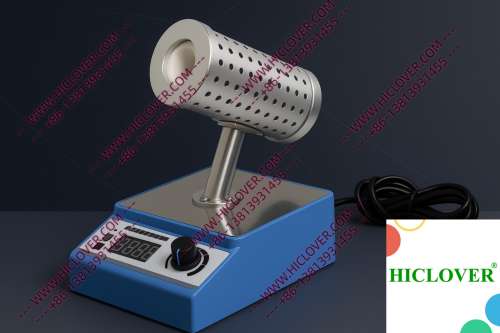
In modern laboratory environments, maintaining biosafety and preventing cross-contamination are critical. With increasing demands for sterilization in diverse settings—ranging from BSL-2 and BSL-3 microbiology labs to teaching laboratories—traditional sterilization methods can pose significant challenges. Flame-based sterilizers, such as alcohol lamps and Bunsen burners, while common, are not always the most effective or safest options. This is where the Micro Incinerator comes into play, offering rapid thermal sterilization with a focus on safety, efficiency, and compliance.
Understanding the Micro Incinerator
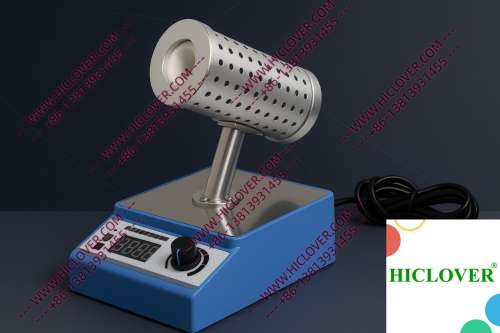
The Micro Incinerator, specifically designed for laboratory sterilization, utilizes advanced infrared heating technology housed within a robust ceramic heating chamber. Unlike the open flames of traditional sterilizers, the enclosed design enables high-temperature disinfection without the risks associated with flammable substances.
Infrared heat rapidly penetrates the inoculating loop or other small instruments, achieving sterilization within mere seconds. The precise temperature control allows for effective aerosol-free handling, making it suitable for clean bench applications. These features not only improve workflow efficiency but also significantly mitigate the risk of contamination.
Applications in Real Labs
- BSL-2 and BSL-3 Microbiology Labs: In high-containment laboratories, where pathogens are present, the Micro Incinerator serves as an ideal sterilization solution. Its rapid thermal sterilization ensures that tools are free from microbial contamination before use in experiments, thus maintaining a safe working environment.
- Mobile and Field Testing Labs: In situ testing often occurs in varying conditions where traditional sterilization methods can be impractical. The portability and battery-operated options of the Micro Incinerator make it an essential tool for researchers conducting fieldwork, allowing them to safely sterilize their equipment on-site.
- University Teaching Labs: Educational institutions can benefit from incorporating Micro Incinerators in training programs. Students gain hands-on experience with modern sterilization practices, reinforcing laboratory safety protocols while reducing the hazards linked with flame use.
- What makes Micro Incinerators safer than flame-based sterilizers?
The enclosed design reduces fire risks and eliminates the potential for aerosol contamination.
- Can Micro Incinerators be used in teaching labs?
Yes, they are ideal for educational settings where students learn about proper sterilization techniques without the hazards associated with flames.
- Are Micro Incinerators compliant with WHO biosafety standards?
Absolutely, they meet the necessary standards for laboratory safety and biosafety compliance.
- How does the thermal efficiency compare to traditional methods?
Micro Incinerators provide high-temperature sterilization in seconds, significantly reducing the time required for the sterilization process.
- Rapid thermal sterilization promotes workflow efficiency.
- Aerosol-free handling ensures contamination control.
- The enclosed ceramic tube design minimizes fire hazards.
- Compliance with laboratory safety standards supports sustainable practices.
- Suitable for diverse laboratory environments, including clean rooms and field settings.
Regulatory Compliance and Environmental Considerations
Ensuring compliance with both national and international laboratory standards is vital in today’s research landscape. Organizations such as the WHO endorse incorporating sterilization technologies that uphold biosafety measures. The Micro Incinerator aligns with these standards, offering a safer alternative than traditional flame sterilizers, particularly in clean rooms where the presence of open flames is discouraged.
Moreover, the Micro Incinerator produces no aerosols and has a reduced environmental impact by minimizing waste generated from disposable sterilizing media. Its efficiency not only preserves laboratory resources but also supports sustainable practices in clinical diagnostics and research.
Comparative Analysis
| Feature | Micro Incinerator | Flame Burners |
|---|---|---|
| Heat Source | Infrared | Open Flame |
| Contamination Control | Aerosol-free handling | Potential for aerosolization |
| Safety | Enclosed design | Fire hazard |
| Efficiency | Rapid sterilization | Variable and sometimes slow |
Frequently Asked Questions
Advantages of Micro Incinerators
When evaluating sterilization options, the advantages of Micro Incinerators become evident:
Conclusion
As laboratories continue to prioritize safety and efficiency in sterilization, the Micro Incinerator presents a game-changing solution. Its ability to deliver rapid thermal sterilization with an emphasis on contamination control and compliance makes it an indispensable tool for any research facility or educational institution. For those interested in enhancing their laboratory’s sterilization capabilities or seeking sustainable waste solutions, the Micro Incinerator is the ideal choice. Contact us today to learn more about this cutting-edge technology.
Categories:
Tags: