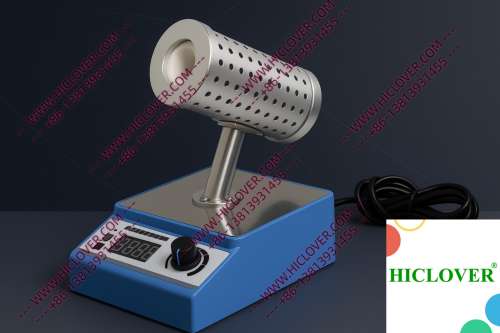
As laboratory biosafety standards become increasingly critical, efficient sterilization processes have emerged as a focal point for research and clinical settings. The demand for robust laboratory sterilization equipment capable of addressing contamination control has prompted innovations like the Micro Incinerator or Infrared Inoculating Loop Sterilizer. Understanding the integral role these devices play in modern laboratory workflows can significantly enhance operational safety and efficacy.
The Challenge of Sterilization in Laboratories
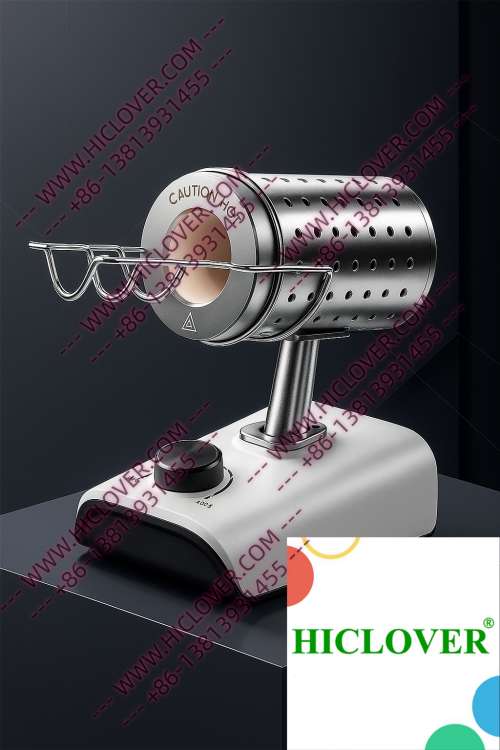
In settings such as BSL-2 and BSL-3 microbiology labs, the challenges posed by aerosol generation and contamination risk are paramount. The requirement for rapid thermal sterilization methods that offer both safety and efficiency has never been more pressing. Traditional flame sterilizers, such as alcohol lamps and Bunsen burners, often contribute to the hazards of open flames, particularly in clean environments and when dealing with sensitive samples. This creates a compelling case for the adoption of advanced sterilization technology, such as Micro Incinerators.
Technical Principles Behind Micro Incinerators
Micro Incinerators employ infrared heating technology, which utilizes an enclosed ceramic tube to achieve high-temperature disinfection without the risks associated with open flames. Unlike conventional flame sterilizers that can produce harmful aerosols, the infrared heat produced in a controlled environment minimizes the risk of contamination. The compact design facilitates easy portability and operation in various lab environments, including biosafety cabinets and teaching laboratories.
Key Features of Micro Incinerators
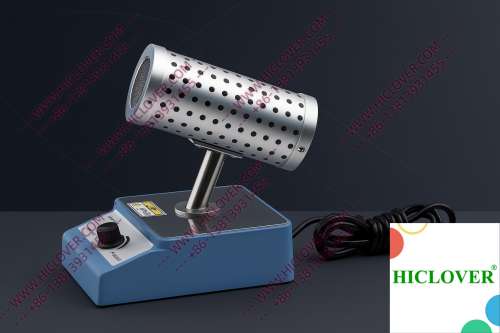
- Rapid thermal sterilization: Achieves quick heating and cooling cycles.
- Enclosed ceramic heating chamber: Provides an aerosol-free environment.
- Compact design: Ideal for small laboratory spaces.
- Reduced fire risk: No open flames mean less chance of accidental ignitions.
- Simplicity of use: Easy setup and operation, making it suitable for all experience levels.
Application Scenarios in Real Laboratories
1. Biosafety Cabinets
In a BSL-2 microbiology lab, the Micro Incinerator plays a pivotal role in sterilizing inoculating loops and other tools. Its efficient sterilization process allows researchers to maintain a clean working environment without exposing themselves to the risk of contaminants. When used within a biosafety cabinet, the Micro Incinerator effectively eliminates microbial risk, ensuring that experiments yield reliable results.
2. Field Testing
Mobile or field testing labs face unique challenges, including the need for portable, efficient sterilization solutions. The Micro Incinerator shines in this scenario, offering a lightweight, easy-to-operate sterilization method that can be deployed in remote locations. Researchers conducting environmental testing can rely on the robust performance of this device to ensure their instruments remain uncontaminated, increasing the accuracy of their data collection.
Compliance and Environmental Concerns
Global biosafety standards, including recommendations from the World Health Organization (WHO), emphasize the critical need for reliable sterilization in laboratory settings. The Micro Incinerator aligns with lab sterilization standards that dictate the importance of minimizing open flames, especially in clean rooms and environments where contamination can lead to significant repercussions. Transitioning to infrared sterilization technology not only adheres to compliance requirements but also reflects a commitment to environmental protection by reducing hazardous waste associated with traditional flame sterilizers.
Comparison of Micro Incinerators vs. Traditional Flame Sterilizers
| Feature | Micro Incinerator | Flame Sterilizers |
|---|---|---|
| Aerosol Generation | None | High |
| Risk of Contamination | Minimal | High |
| Heating Method | Infrared | Open Flame |
| Portability | High | Medium |
| Ease of Use | Simple | Requires Skill |
Frequently Asked Questions
What is a Micro Incinerator used for?
Micro Incinerators are primarily used for sterilizing laboratory tools like inoculating loops and media to ensure contamination control in various lab settings.
How does infrared sterilization work?
Infrared sterilization involves generating heat through infrared radiation, allowing for rapid thermal sterilization without the risks associated with open flames.
Are Micro Incinerators compliant with safety standards?
Yes, Micro Incinerators meet and exceed current laboratory biosafety and sterilization standards, making them suitable for both clinical and research applications.
Can I use a Micro Incinerator in a biosafety cabinet?
Absolutely! In fact, using a Micro Incinerator in a biosafety cabinet enhances the safety and effectiveness of the sterilization process.
What advantages do Micro Incinerators have over traditional methods?
Micro Incinerators offer significant advantages, including reduced risk of contamination, no aerosol generation, and ease of use, making them a safer option for laboratory environments.
Conclusion
The Micro Incinerator represents a transformative shift in laboratory sterilization methods, combining safety, efficiency, and compliance into a compact solution. As laboratories across Canada and beyond face increasing biosafety challenges, transitioning to this innovative technology will not only enhance workflows but also uphold the integrity of research and clinical diagnostics. If you’re ready to elevate your laboratory sterilization practices, contact us today for more information on high-quality Micro Incinerators tailored to your specific needs.
Categories:
Tags: