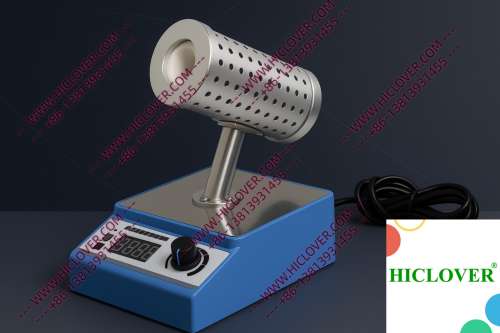
In modern laboratory environments, especially in BSL-2 and BSL-3 microbiology labs, biosafety challenges are paramount. As laboratories strive to adhere to global standards, such as WHO biosafety guidelines, the demand for reliable sterilization equipment has surged. A significant component of effective laboratory sterilization is ensuring contamination control while minimizing risks associated with traditional flame sterilizers like alcohol lamps and Bunsen burners. This is where heated ceramic sterilizers, especially Micro Incinerators or Infrared Inoculating Loop Sterilizers, come into play.
Understanding the Technical Principles of Heated Ceramic Sterilizers
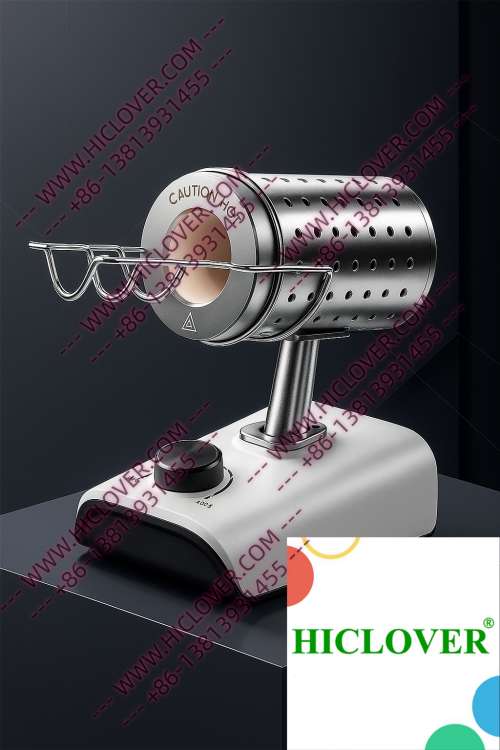
At the core of heated ceramic sterilizers is the principle of rapid thermal sterilization through infrared heat. Unlike conventional methods, infrared sterilizers utilize an enclosed ceramic heating chamber that provides high-temperature disinfection without the hazardous fumes and open flames characteristic of traditional systems. This technology ensures that contaminants are effectively eradicated, promoting a cleaner and safer laboratory environment.
Key Features of Micro Incinerators / Infrared Inoculating Loop Sterilizers
- Quick Sterilization: Infrared heat allows for nearly instantaneous sterilization of inoculating loops, reducing workflow downtime.
- Safe Operation: The absence of flames makes these devices suitable for clean-bench-safe environments and reduces the risk of fire hazards.
- Environmental Considerations: Many heated ceramic sterilizers operate with lower emissions compared to traditional systems, aligning with evolving standards for cleaner laboratories.
- Energy Efficiency: Infrared sterilizers consume less energy, making them an economical choice for long-term laboratory operations.
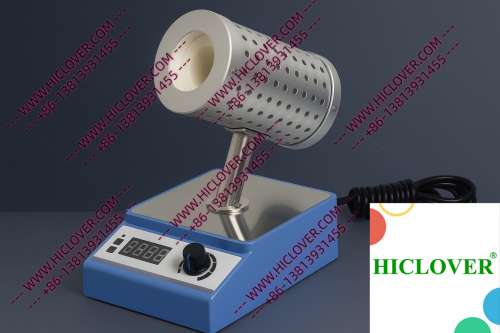
Applications of Heated Ceramic Sterilizers in Real Labs
Micro Incinerators are exceptionally versatile, finding utility in various laboratory settings. Below are two application scenarios where heated ceramic sterilizers shine:
1. Biosafety Cabinets
In clinical diagnostics laboratories and university teaching labs, using Micro Incinerators in biosafety cabinets ensures that inoculating loops and other tools are rapidly sterilized before use. This setup mitigates the risk of microbial contamination, particularly when working with pathogenic organisms.
2. Field Testing Labs
For mobile or field testing labs, the portability and safety of infrared inoculating loop sterilizers become invaluable. These devices are compact, allowing researchers to maintain cleanliness and sterilization standards, even in outdoor or less controlled environments. The absence of flames is particularly advantageous when working in areas where combustible materials may be present, emphasizing the need for aerosol-free handling.
Compliance With Industry Standards
Adhering to biosafety standards is not just a regulatory obligation but a critical aspect of laboratory safety. The WHO and other regulatory bodies prescribe stringent guidelines concerning laboratory sterilization methods. Micro Incinerators facilitate compliance with these standards effectively, allowing labs to avoid the risks linked to open flames. In clean rooms, for instance, using traditional flame sterilizers is often prohibited due to potential contamination.
By integrating heated ceramic sterilizers into their workflows, laboratories can enhance safety while ensuring that operational standards are maintained. Moreover, these devices align seamlessly with laboratory best practices that prioritize environmental sustainability and safety compliance.
Comparison: Micro Incinerator vs. Traditional Flame Burners
| Feature | Micro Incinerator | Flame Burners |
|---|---|---|
| Operation Safety | No open flame, clean operation | Open flame, higher risk of fire |
| Speed of Sterilization | Rapid thermal sterilization | Variable, based on flame control |
| Environmental Impact | Lower emissions | Higher emissions and fumes |
| Energy Consumption | Energy-efficient | Higher energy consumption |
FAQs About Micro Incinerators
What is a micro incinerator used for?
Micro incinerators are primarily used for sterilizing inoculating loops, needles, and other lab tools. They offer rapid thermal sterilization without the hazards associated with open flames.
How does an infrared inoculating loop sterilizer work?
An infrared inoculating loop sterilizer works by using infrared heat that quickly raises the temperature of the ceramic chamber, enabling effective sterilization of tools in seconds.
Are micro incinerators compliant with laboratory safety standards?
Yes, micro incinerators are designed to comply with numerous biosafety standards, making them suitable for use in both clinical and research laboratories without open flames.
What are the benefits of using a heated ceramic sterilizer?
Heated ceramic sterilizers offer numerous benefits, including quick sterilization time, enhanced safety features, reduced environmental impact, and energy efficiency.
Can micro incinerators be used in field testing environments?
Absolutely! Their portability and safety make them ideal for use in various field testing applications.
Conclusion: Choosing the Right Heated Ceramic Sterilizer for Your Lab
In conclusion, selecting the right heating ceramic sterilizer, particularly a Micro Incinerator or Infrared Inoculating Loop Sterilizer, can dramatically improve laboratory efficiency and safety. With advancements in sterilization technology, these devices offer unparalleled convenience and compliance with critical biosafety standards.
If your laboratory is striving for better sterilization practices, consider investing in a heated ceramic sterilizer today. For inquiries or to explore purchase options, feel free to contact us for expert guidance tailored to your specific needs!
Categories:
Tags: