
Laboratories are crucial environments for research and testing across various fields, including medicine and biology. With increasing demands for biosafety and contamination control, researchers face significant challenges regarding laboratory sterilization workflows. Efficient and effective sterilization of laboratory instruments is paramount to maintaining integrity and safety. Traditional methods, such as alcohol lamps and Bunsen burners, often pose risks including flame hazards, inadequate thermal sterilization, and contamination through aerosols. In response, advanced solutions like Micro Incinerators, commonly known as Infrared Inoculating Loop Sterilizers, are gaining popularity.
Revolutionizing Sterilization with Infrared Technology
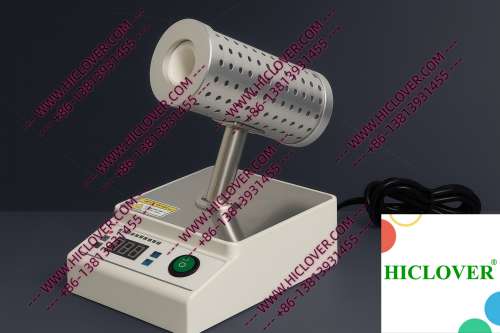
The Micro Incinerator uses cutting-edge infrared heat technology to sterilize inoculating loops, needles, and other small instruments quickly and efficiently. Unlike conventional flame methods, it employs a closed ceramic tube to achieve rapid thermal sterilization. This design minimizes environmental contamination and enhances user safety by eliminating open flames. As an added benefit, the infrared high-temperature disinfection feature allows for sterilization in seconds, reducing downtime and improving overall laboratory efficiency.
Key Features of the Micro Incinerator
- Touch-Free Operation: Users can activate the sterilizer without direct contact, significantly reducing the risk of cross-contamination.
- Ergonomic Design: Lightweight and compact, making it easy to integrate into limited lab spaces or field use.
- High-Temperature Capability: Effective sterilization at temperatures exceeding 1000°C for complete microbial destruction.
- Energy Efficient: Consumes less power than traditional flame-based sterilizers over time.
- Durability: Constructed with high-quality materials designed for continuous use in demanding environments.
- What are the benefits of using a Micro Incinerator in the lab?
Micro Incinerators offer rapid sterilization without the risks associated with open flames, ensuring safe and efficient workflows. - Can Infrared Inoculating Loop Sterilizers be used in BSL-3 labs?
Yes, their touch-free operation and high-sterilization capabilities make them suitable for the stringent requirements of BSL-3 facilities. - How does the Micro Incinerator support compliance with lab sterilization standards?
The device promotes contamination control and aligns with global biosafety practices, ensuring operations meet essential laboratory standards. - What materials are used in manufacturing Micro Incinerators?
They are typically constructed from high-quality, durable materials designed to withstand extensive use in laboratory environments. - Are there training requirements to operate a Micro Incinerator?
Basic training is recommended to ensure safe and effective use, focusing on sterilization protocols and operational procedures.
Application Scenarios in Real Labs
Micro Incinerators find versatility across various laboratory contexts, including:
Biosafety Cabinet Operations
In BSL-2 and BSL-3 microbiology labs, safety protocols demand strict contamination control. The Micro Incinerator’s touch-free operation ensures that researchers can sterilize instruments safely while minimizing exposure to biohazardous materials. Its ability to provide rapid sterilization enhances workflow efficiency, allowing for quick transitions between tasks in high-containment areas.
Field Testing Labs
For mobile or field testing in environments where traditional sterilization methods may pose hazards, the Micro Incinerator serves as an ideal tool. Researchers conducting environmental assessments or clinical diagnostics can use this technology to ensure cleanliness without the need for cumbersome open flames, supporting work in variable outdoor settings where safety is paramount.
Compliance and Environmental Considerations
Globally recognized organizations such as the WHO emphasize the importance of strict laboratory safety standards. Through their guidelines, labs are urged to adopt sterilization methods that minimize biosafety risks. The use of touch-free sterilizers aligns with these principles by avoiding open flames in cleanrooms and maintaining sterile environments. When adhering to laboratory sterilization standards, including ISO and FDA regulations, utilizing a Micro Incinerator can ensure compliance while enhancing user and environmental safety.
“Touch-free sterilization is not just a trend; it’s a necessity for laboratories striving for the highest biosafety standards.”
Comparative Analysis: Micro Incinerator vs. Traditional Flame Burners
| Feature | Micro Incinerator | Flame Burners |
|---|---|---|
| Operation Type | Touch-free, infrared | Open flame |
| Safety | Low risk of fire hazards | High risk of ignition and explosions |
| Contamination Control | Aerosol-free handling | Increased risk of aerosols |
| Thermal Efficiency | Rapid thermal sterilization | Varied temperature control |
| Energy Use | Energy-efficient | Higher consumption |
Frequently Asked Questions
Conclusion
As laboratories continue to evolve in complexity and safety requirements, the adoption of touch-free lab sterilizers like the Micro Incinerator is essential. By offering unmatched safety, rapid sterilization, and compliance with international biosafety standards, it stands out as a superior alternative to traditional flame burners. Investing in such advanced sterilization technology not only enhances laboratory workflows but actively contributes to a safer research environment. For inquiries or to explore purchasing options, please reach out today!
Categories:
Tags: