
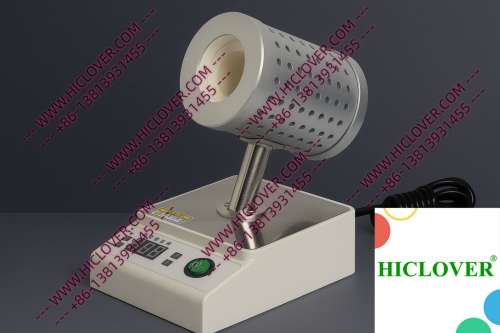
Laboratory biosafety practices are continuously evolving, especially in the wake of increasing concerns over cross-contamination and airborne pathogens. In this fast-paced scientific environment, traditional methods of sterilization, such as flame sterilizers like Bunsen burners and alcohol lamps, are being scrutinized for their potential risks and limitations. This has paved the way for innovative devices like the Micro Incinerator or Infrared Inoculating Loop Sterilizer, which introduces a revolutionary approach to sterilization, enhancing laboratory efficiency, safety, and compliance.
The Need for Advanced Laboratory Sterilization Equipment
In laboratories, especially BSL-2 and BSL-3 environments, the explicit demand for reliable sterilization workflows has never been higher. These settings often involve handling pathogenic microorganisms that pose significant health risks. Implementing effective sterilization techniques is essential not only for user safety but also for maintaining the integrity of research and clinical diagnostics. The risk of contamination by aerosols, tools, and personal contact can compromise sensitive experiments or clinical results, necessitating the adoption of advanced sterilization equipment.
Technical Principles of the Micro Incinerator
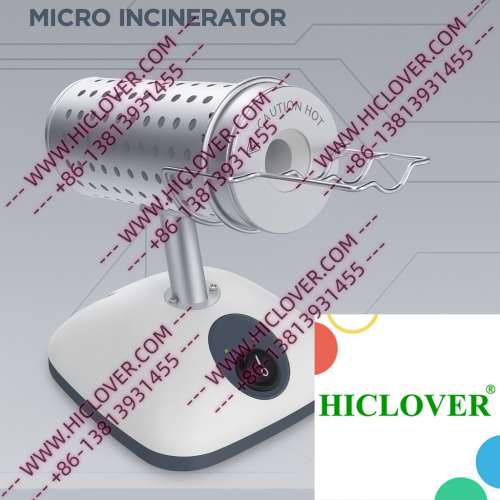
The Micro Incinerator employs a cutting-edge technology that utilizes infrared heat for rapid thermal sterilization. The core component, an enclosed ceramic tube, heats up to high temperatures in seconds, allowing for the effective disinfection of inoculating loops and other small instruments with minimal risk of flame-related accidents.
- Infrared High-Temperature Disinfection: The infrared radiation penetrates the surface of tools, expeditiously eliminating pathogens while conserving energy.
- Ceramic Heating Chamber: This unique chamber ensures consistent and controlled heat application, producing reliable sterilization results without generating harmful fumes.
- Touch-Free Operation: The design minimizes manual handling, thus reducing the risk of user exposure to contaminants.
- Biosafety Cabinet Usage: In a microbiology lab setting, researchers utilize a biosafety cabinet to handle biohazard materials safely. The use of the Micro Incinerator within this environment ensures that tools are sterilized quickly without disrupting the sterile airflow, thereby maintaining a clean workspace.
- Field Testing Efficiency: In mobile labs or during field testing for clinical diagnostics, the portability of the Micro Incinerator allows researchers to sterilize tools on-site without the need for bulky flame-based systems. This feature significantly reduces the risk of infection transmission and enhances results accuracy.
Application Scenarios in Real Labs
The versatility of the Micro Incinerator makes it an ideal choice for various laboratory settings. Here are two practical application scenarios:
Compliance with Global Safety Standards
Meeting compliance standards is critical in laboratory settings. Organizations like the World Health Organization (WHO) emphasize the importance of biosafety protocols, especially when working with potentially infectious materials. The Micro Incinerator’s touch-free operation aligns with lab sterilization standards that prohibit open flames in clean rooms and high/medium containment facilities.
Moreover, using infrared sterilization systems mitigates the environmental impact common with traditional flame sterilizers, as it reduces carbon emissions and minimizes exposure to harmful substances. This is particularly advantageous in regions like [specific country/city] where regulatory bodies are increasingly enforcing stricter biosafety measures.
Advantages of the Micro Incinerator Over Traditional Flame Sterilizers
| Feature | Micro Incinerator | Flame Sterilizers |
|---|---|---|
| Heating Time | Seconds | Minutes |
| Risk of Contamination | Minimal | Higher due to open flames |
| Energy Efficiency | High | Low |
| Ease of Use | Touch-free operation | Manual handling required |
| Compliance with Safety Standards | High | Varies |
FAQs About Touch-Free Sterilization Technology
1. How does the Micro Incinerator improve sterilization workflows?
The Micro Incinerator streamlines sterilization by offering rapid thermal disinfection, significantly reducing the time required to prepare tools and increasing overall lab efficiency.
2. Is the Micro Incinerator suitable for all laboratory settings?
Yes, it is designed to accommodate various lab environments, including BSL-2 and BSL-3 labs, as well as teaching and research spaces.
3. What makes infrared sterilization safer than flame sterilizers?
Infrared sterilization eliminates the risks associated with open flames, such as burns and flammable surroundings, making it a cleaner and safer option for labs.
4. Can the Micro Incinerator be used for sterilizing larger instruments?
While primarily designed for smaller tools like inoculating loops, certain variants may accommodate larger items; however, it’s advisable to consult the product specifications for exact capabilities.
5. How can I purchase a Micro Incinerator for my lab?
You can contact our sales team or visit our website to explore available models, pricing options, and installation services tailored for your laboratory needs.
Conclusion
As the demand for advanced sterilization solutions intensifies within scientific laboratories, the Micro Incinerator or Infrared Inoculating Loop Sterilizer stands out as a groundbreaking product. With its touch-free technology, rapid sterilization capabilities, and strict adherence to safety standards, this device promises a transformative impact on laboratory workflow and biosafety. Contact us today to learn more about enhancing your lab’s sterilization processes with the Micro Incinerator!
Categories:
Tags: