
In the world of laboratory settings, maintaining strict biosafety standards is crucial for preventing contamination and ensuring reliable results. With the increasing demand for efficient sterilization solutions, the challenges faced by laboratories, hospitals, and educational institutions have grown significantly. Traditional methods like alcohol lamps and Bunsen burners can compromise laboratory air quality, pose fire hazards, and bring forth inefficiencies in sterilization workflows. Enter the touchless micro incinerator, an innovative solution tailored for sterilization with minimal risk.
Technical Principles Behind the Micro Incinerator
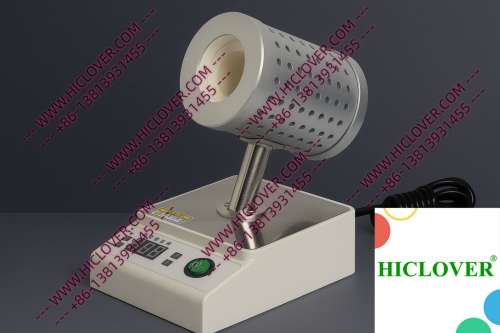
The Micro Incinerator, often referred to as an Infrared Inoculating Loop Sterilizer, operates on the principle of infrared heat technology, providing rapid thermal sterilization without the need for a flame. Its design features an enclosed ceramic heating chamber that emits infrared radiation, achieving high temperatures quickly and effectively.
This innovative device leverages a user-friendly touchless operation, minimizing direct handling and reducing the likelihood of cross-contamination. Laboratories thrive on this efficiency, especially in sensitive environments like BSL-2 and BSL-3 microbiology labs, where even the slightest contamination can lead to critical failures.
Applications of Micro Incinerators in Laboratory Settings
Micro Incinerators find applications in various laboratory environments, providing an efficient alternative to traditional sterilization methods. Here are two common scenarios where these devices excel:
1. Use in BioSafety Cabinets
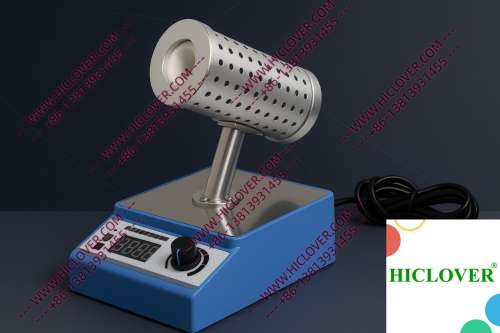
In BSL-2 and BSL-3 microbiology laboratories, using a micro incinerator in a biosafety cabinet ensures complete control over the sterilization process. By integrating a micro incinerator, lab personnel can maintain a sterile working environment and protect both themselves and the samples. The touchless operation means that scientists can focus on their work without worrying about introducing contaminants from open flames or exposed sterilization tools.
2. Field Testing Applications
Mobile or field testing labs often encounter unique challenges where traditional flame sterilizers are impractical due to environmental hazards or the potential for flare-ups. The compact design of the Micro Incinerator allows it to be easily transported, providing reliable sterilization for inoculating loops and other tools in remote settings. Its rapid heating and cooldown capabilities enhance workflow efficiency and minimize delays during testing operations.
Compliance and Environmental Considerations
Adhering to laboratory sterilization standards is not merely a regulatory requirement; it is a fundamental aspect of ensuring the safety and integrity of research and clinical diagnostics. Compliance with WHO biosafety guidelines is critical, particularly for laboratories handling infectious agents. The Micro Incinerator aligns with these standards by providing a flame-free alternative suitable for clean rooms and other sensitive environments.
Moreover, the absence of an open flame enhances safety within laboratory settings, allowing for clean and aerosol-free handling of materials. This feature is significant in clinical diagnostics labs, where contamination control is paramount.
Comparison of Micro Incinerators and Traditional Flame Sterilizers
| Feature | Micro Incinerator | Flame Sterilizers |
|---|---|---|
| Heating Method | Infrared heating | Open flame |
| Safety | Touchless, minimal risk of ignition | Risk of fire hazards |
| Efficiency | Rapid thermal sterilization | Slower heating times |
| Contamination Control | Aerosol-free handling | Potential for airborne contamination |
Frequently Asked Questions (FAQs)
- What is a micro incinerator used for? A micro incinerator is primarily used for sterilizing inoculating loops and other laboratory tools through rapid thermal sterilization.
- How does the infrared technology work in these devices? Infrared technology heats the enclosed ceramic chamber rapidly, providing high temperatures necessary for effective sterilization without an open flame.
- Are micro incinerators compliant with laboratory safety standards? Yes, micro incinerators comply with WHO biosafety guidelines and are suitable for BSL-2 and BSL-3 laboratories.
- Can micro incinerators be used in field settings? Absolutely, their portable design makes them ideal for mobile or field testing labs.
- Is the micro incinerator a renewable resource for laboratories? Yes, using a micro incinerator reduces waste and environmental impact by promoting sustainable sterilization practices.
Conclusion
With the ever-increasing demands for effective sterilization practices in laboratories, the touchless micro incinerator stands out as an essential piece of equipment. Its efficient, sustainable, and safety-focused design addresses several biosafety challenges faced by various lab environments. Investing in a Micro Incinerator not only enhances workflow efficiency but also reinforces compliance with stringent sterilization standards.
If you’re looking to upgrade your laboratory sterilization equipment or enhance sustainability efforts, consider the intuitive design and advanced features of micro incinerators. Contact us today to learn more about our product offerings and how they can fit your laboratory needs.
Categories:
Tags: