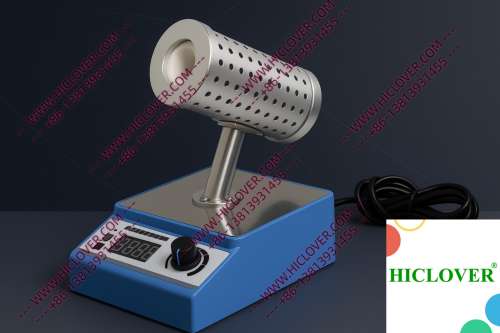
In today’s evolving scientific landscape, laboratories face multifaceted biosafety challenges that require advanced sterilization solutions. As research becomes increasingly streamlined and safety regulations more stringent, the demand for innovative sterilization equipment, like Touchless Micro Incinerators, has surged. These devices not only enhance laboratory workflows but also uphold environmental compliance standards, making them essential in various laboratory environments, including BSL-2 and BSL-3 labs, clinical diagnostics, and educational settings.
Understanding Technical Principles
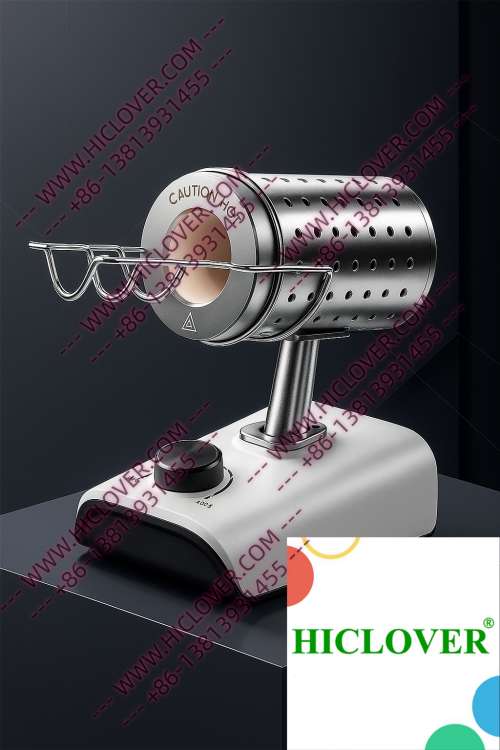
The core of a Touchless Micro Incinerator or Infrared Inoculating Loop Sterilizer lies in its use of infrared heat and a carefully designed ceramic heating chamber. The device operates by generating high-intensity infrared radiation, which delivers rapid thermal sterilization while minimizing contamination risks. Unlike traditional flame sterilizers such as alcohol lamps or Bunsen burners, the enclosed ceramic tube effectively contains the heat, preventing the formation of aerosols and maintaining a clean work environment.
The compact size and efficient design of these incinerators make them ideal for integration into biosafety cabinets and clean rooms, where safety and efficiency are paramount. The touchless operation of these devices not only enhances user experience but also significantly boosts laboratory safety by eliminating open flames, reducing fire hazards to a minimum.
Real-World Application Scenarios
Applications in Biosafety Cabinets
In biosafety cabinets, controlling contamination is critical. The Touchless Micro Incinerator seamlessly fits into this workflow. For example, during microbiological work involving pathogens, researchers can quickly sterilize inoculating loops without opening the cabinet or exposing the workspace to potential contaminants. This process ensures aerosols are not generated, maintaining a sterile environment and allowing for uninterrupted research processes.
Utilization in Teaching Labs
University teaching labs present a unique challenge when it comes to sterilization. Often, multiple students operate in the same space, increasing the risk of contamination. The Touchless Micro Incinerator provides an educational tool and a safety device, allowing students to familiarize themselves with modern sterilization techniques. Instructors can demonstrate effective sterilization processes, ensuring that students understand both the theoretical and practical aspects of biosafety.
Compliance and Environmental Responsibility
Global health organizations, including the WHO, have established stringent biosafety protocols and laboratory sterilization standards to ensure laboratory safety. In line with these guidelines, touchless micro incinerators excel as environmentally responsible sterilization solutions. Unlike traditional methods involving flames that may produce toxic by-products and pose fire hazards, the infrared technology utilized in micro incinerators is inherently cleaner and safer.
Moreover, their design is compliant with various international safety standards, ensuring they can be incorporated into clean rooms without compromising the controlled environment. These devices align with the growing emphasis on sustainability in laboratory settings, allowing researchers to maintain high standards of safety and compliance without relying on environmentally harmful practices.
Comparative Analysis: Micro Incinerators vs. Flame Sterilizers
| Feature | Micro Incinerator | Flame Sterilizer |
|---|---|---|
| Safety | No open flames; touchless operation | Open flames; risk of ignition |
| Speed of Sterilization | Rapid thermal sterilization | Varies; often slower |
| Contamination Control | Minimal risk; enclosed system | Aerosol production; higher contamination risk |
| Portability | Compact and mobile | Generally larger; less portable |
Frequently Asked Questions
- What types of laboratories benefit from Touchless Micro Incinerators?
These devices are particularly beneficial in BSL-2 and BSL-3 labs, clinical diagnostics, and educational laboratories that require effective sterilization methods. - How does infrared sterilization differ from flame sterilization?
Infrared sterilization uses radiant heat to achieve rapid thermal sterilization without the contamination risks associated with open flames. - Are Touchless Micro Incinerators compliant with global biosafety standards?
Yes, they meet various international sterilization standards, making them suitable for clean environments and stringent lab protocols. - Can these incinerators be used in field testing labs?
Yes, their compact design makes them an excellent choice for mobile sterilization needs in field settings. - What safety features do Touchless Micro Incinerators have?
They are designed to eliminate open flames, reducing fire hazards and allowing for safe operation in clean-bench environments.
The Future of Laboratory Sterilization
As we move towards a future that values both technological advancement and environmental responsibility, Touchless Micro Incinerators stand out as a pivotal innovation in laboratory sterilization equipment. Their ability to provide rapid thermal sterilization, maintain compliance with global safety standards, and offer a clean, touchless operation positions them as a superior alternative to traditional flame sterilizers.
For laboratories seeking to enhance their biosafety protocols while integrating cutting-edge technology, investing in a Micro Incinerator can revolutionize sterilization workflows. Embrace a cleaner, safer future in laboratory operations by considering this indispensable tool for your sterilization needs. Contact us today to learn more about how we can assist you in elevating your laboratory practice.
Categories:
Tags: