
In modern laboratory settings, addressing biosafety challenges and maintaining sterile environments is paramount. Traditional sterilization methods, such as alcohol lamps and Bunsen burners, have long been standard practice. However, as biosafety standards become increasingly stringent and the need for efficient sterilization processes grows, innovative solutions like the Micro Incinerator, or Infrared Inoculating Loop Sterilizer, are emerging as crucial tools for today’s laboratories.
Biological Safety Challenges in Laboratories
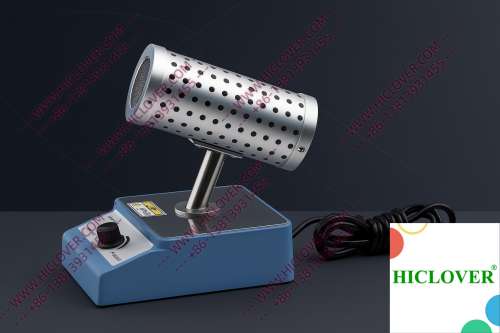
Laboratories, especially those classified as BSL-2 or BSL-3, face unique sterilization workflow demands. High-traffic environments quickly accumulate contaminants, leading to increased risks of infection or contamination of specimens. The need for reliable sterilization techniques is critical, particularly in clinical diagnostics, university teaching labs, and field testing environments.
A traditional flame sterilizer, while effective in some contexts, poses several challenges: the risk of aerosol exposure, the potential for contamination during flame manipulation, and reduced safety in clean rooms. The Micro Incinerator offers a resolution to these problems by providing a closed, high-tech solution that effectively renders contaminants inactive without these risks.
Technical Principles of the Micro Incinerator
The Micro Incinerator utilizes infrared heat technologies, ensuring rapid thermal sterilization within an enclosed ceramic tube. This configuration minimizes direct exposure to flames, making it a safe alternative for sensitive laboratory environments.
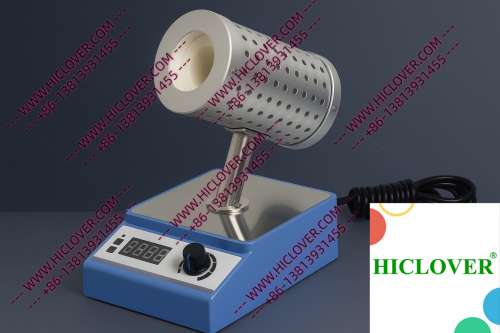
The enclosed ceramic heating chamber reaches temperatures sufficient to sterilize inoculating loops and other sterile tools quickly and efficiently. This mechanism allows for a clean and effective sterilization process, ensuring optimal contamination control while facilitating aerosol-free handling. Unlike traditional methods, the Micro Incinerator is designed to operate in clean benches and other controlled environments, meeting critical laboratory sterilization standards.
Key Advantages Over Traditional Flame Sterilizers
- Safety: No open flames reduce the risk of fire and promote a safer workspace.
- Speed: The rapid sterilization cycle significantly lowers the time required for sterilizing tools.
- Environmentally Friendly: Reduced gas emissions compared to burning methanol or propane.
- Controlled Sterilization: Enables consistent and repeatable sterilization of instruments.
| Feature | Micro Incinerator | Flame Sterilizers |
|---|---|---|
| Operation Type | Infrared Heat | Open Flame |
| Aerosol Risk | Minimal | High |
| Speed of Sterilization | Rapid | Moderate |
| Environmental Impact | Low | High |
Application Scenarios in Real Labs
Let’s delve into specific application scenarios where the Micro Incinerator can vastly improve sterilization processes:
1. Biosafety Cabinets
The Micro Incinerator is particularly valuable in BSL-2 and BSL-3 laboratories where biosafety cabinets are often used. Here, traditional flame sterilizers may compromise airflow and create contamination risks. In contrast, the Micro Incinerator’s enclosed design allows for sterilization without disrupting the sterile airflow, maintaining a safe environment for researchers.
2. Teaching Labs and Field Testing
In university teaching labs, students require hands-on experience with sterilization techniques. The Micro Incinerator provides an opportunity for learners to engage in effective sterilization processes without the dangers associated with flames. Similarly, in mobile or field testing labs, where safety and portability are vital, this device can be seamlessly integrated into procedures while ensuring compliance with sterilization standards.
Compliance and Environmental Safeguards
The Micro Incinerator aligns with various compliance standards set forth by international organizations, including WHO biosafety guidelines. Laboratories are increasingly required to demonstrate adherence to such standards, especially when handling pathogenic materials. Moreover, the absence of flames is a significant advantage in clean rooms, as it prevents particulate contamination, fulfilling the rigorous criteria needed for lab sterilization compliance.
Environmental sustainability is another critical concern in laboratory settings. High-temperature incineration can significantly reduce the waste footprint while maintaining the highest standard of sterilization required in laboratories. This commitment to eco-friendly practices meets global trends in sustainable waste management, making the Micro Incinerator a forward-thinking investment.
Frequently Asked Questions
- What is a Micro Incinerator, and how does it work?
A Micro Incinerator is a sterilization device that uses infrared heat to sterilize laboratory tools safely and efficiently.
- How does the Micro Incinerator compare to traditional flame sterilizers?
It offers faster sterilization times, reduced risk of aerosol exposure, and operates safely within clean environments.
- Can the Micro Incinerator be used in a BSL-3 lab?
Yes, it is suitable for use in BSL-2 and BSL-3 labs due to its safety features and compliance with biosafety standards.
- Is the Micro Incinerator environmentally friendly?
Yes, it reduces emissions associated with traditional flame sterilizers and aligns with sustainable waste management practices.
- How quickly can I achieve sterilization with a Micro Incinerator?
Typically, it can sterilize tools in under a minute, enhancing efficiency in high-demand laboratory settings.
Conclusion
In conclusion, the Micro Incinerator represents a superior alternative to traditional flame sterilizers, addressing the modern-day needs of laboratory biosafety, efficiency, and compliance with environmental standards. Whether in clinical diagnostics, teaching environments, or mobile labs, investing in reliable sterilization technology is crucial for maintaining sterile conditions efficiently. Consider incorporating the Micro Incinerator into your laboratory operations for an enhanced sterilization experience. For inquiries or to discuss purchasing options, feel free to contact us today!
Categories:
Tags: