
In the fast-paced and ever-evolving world of laboratory science, the need for effective sterilization methods has never been more crucial. Laboratories face the constant challenge of managing biosafety risks while ensuring compliance with stringent sterilization protocols. As research labs and clinical diagnostics centers strive to enhance their workflows, the Micro Incinerator, or Infrared Inoculating Loop Sterilizer, has emerged as a game-changing solution for rapid thermal sterilization and efficient waste disposal.
Understanding the Technology
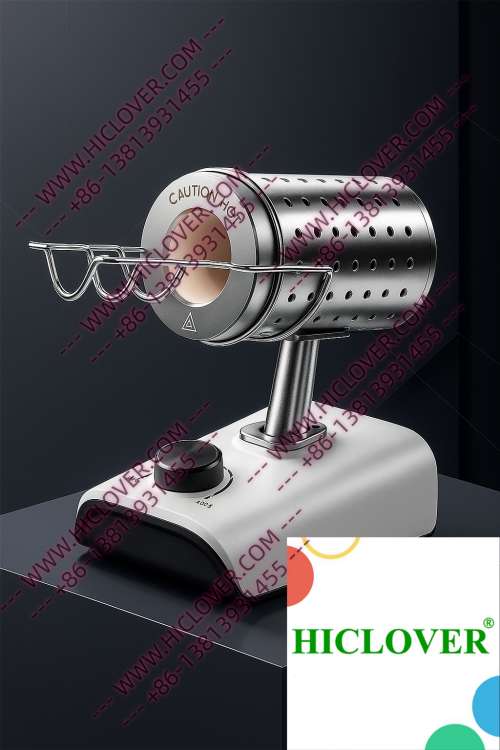
The Micro Incinerator stands out for its innovative use of infrared heat paired with a durable ceramic heating chamber. Unlike traditional flame sterilizers, such as alcohol lamps and Bunsen burners, this advanced equipment utilizes a non-flame method to achieve high temperatures rapidly. The enclosed ceramic tube design minimizes the risk of contamination while allowing for aerosol-free handling.
Key Features of Micro Incinerators
- Rapid Thermal Sterilization: Achieves temperatures exceeding 800°C within seconds, enabling swift sterilization.
- Compact Design: Space-saving and easy to integrate into biosafety cabinets and various lab configurations.
- User-Friendly Operation: Simple controls make it ideal for use in teaching labs and field applications.
- Enhanced Safety: The flame-free operation eliminates risks associated with combustible gases, making it clean-bench-safe.
Applications of Micro Incinerators in Laboratories
Micro Incinerators are revolutionizing sterilization protocols across various laboratory settings. Here are two real-world applications:
1. Biosafety Cabinet Integration
In BSL-2 and BSL-3 microbiology labs, it is critical to maintain a sterile environment. Micro Incinerators can be seamlessly integrated into biosafety cabinets, allowing researchers to sterilize inoculating loops and other small instruments without exposing them to open flames. This not only enhances safety but also adheres to strict biosafety standards, ensuring that microbial contaminants are efficiently eliminated.
2. Teaching Laboratories
In educational settings, Micro Incinerators are increasingly used in university teaching labs, where trainees can quickly learn sterilization techniques. With its user-friendly design, students can practice handling microbial cultures and instruments without the risks associated with traditional flame sterilizers. This promotes a safer learning environment while fostering best practices in sterilization.
Compliance and Environmental Considerations
Compliance with global biosafety standards, such as those outlined by the WHO, is paramount in laboratory operations. Micro Incinerators align with the highest levels of laboratory sterilization standards, offering effective disinfection without compromising air quality. For clean-room operations, the flame-free technology ensures that no combustion byproducts are introduced, reducing the risk of chemical contamination.
Furthermore, labs with CO₂ incubators or anaerobic chamber operations can benefit from the clean environment maintained by Micro Incinerators, allowing for uninterrupted research activities.
Micro Incinerators versus Traditional Flame Sterilizers
| Feature | Micro Incinerator | Traditional Flame Sterilizers |
|---|---|---|
| Temperature Control | High temperature, adjustable settings | Bunsen burner flame, difficult to control |
| Risk of Contamination | Minimized with enclosed design | Open flame can lead to aerosols |
| Ease of Use | User-friendly, quick operation | Requires skill to operate safely |
| Safety | Flame-free, suitable for clean benches | Potential fire hazard |
Frequently Asked Questions
What is a Micro Incinerator?
A Micro Incinerator is an advanced sterilization device that uses infrared heat to achieve rapid thermal sterilization of contaminated surfaces and equipment without an open flame.
How does a Micro Incinerator ensure safety in the laboratory?
Micro Incinerators operate without flames, reducing fire hazards and the risk of aerosol contamination, making them ideal for use in sensitive environments like clean rooms and biosafety cabinets.
Can Micro Incinerators be used in field testing labs?
Yes, their compact design and rapid sterilization capabilities make Micro Incinerators suitable for mobile or field testing labs where traditional flame sterilizers are impractical.
Conclusion
The transformation of lab waste disposal through the adoption of Micro Incinerators represents a significant advancement in laboratory sterilization technology. By providing a safe, efficient, and compliant method for waste disposal, Micro Incinerators are setting new standards for laboratories across various fields, from clinical diagnostics to research institutions. To enhance your laboratory’s efficiency and safety, consider investing in the Micro Incinerator today. Contact us now to learn more or place an order!
Categories:
Tags: