
The landscape of laboratory biosafety is evolving, particularly in Sudan, where there is an increasing demand for effective sterilization solutions. Contamination control remains a significant challenge, especially within microbiology labs and clinical settings. As laboratories consistently strive for efficiency in sterilization workflow, the implementation of advanced sterilization equipment, like micro incinerators and infrared inoculating loop sterilizers, has become critical to ensure compliance and safety.
Understanding Sterilization with Infrared Technology
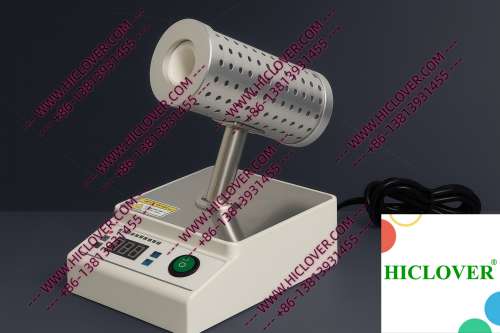
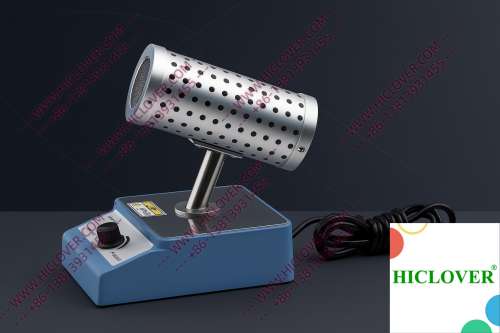
The Micro Incinerator / Infrared Inoculating Loop Sterilizer utilizes innovative infrared technology, which significantly enhances the sterilization process compared to traditional flame methods, such as alcohol lamps or Bunsen burners. This modern sterilization approach operates by generating rapid thermal sterilization through an enclosed ceramic heating chamber, allowing for high-temperature disinfection without the hazards associated with open flames.
Key features include:
- High Safety: Eliminates the risk of accidental fires or burns.
- Efficiency: Provides immediate sterilization with minimal downtime.
- Portability: Compact sizes allow for easy integration in various laboratory settings.
- Clean-Bench Safety: Designed to maintain sterile environments while in use.
Applications in Sudanese Laboratories
The industries of clinical diagnostics and microbiology have particularly benefited from the use of the Micro Incinerator in Sudan. Here are two exemplary scenarios:
Biosafety Cabinet Operations
In a modern laboratory, biosafety cabinets (BSCs) are essential for working with infectious samples. The Micro Incinerator can be seamlessly integrated into BSC operations, enabling researchers to sterilize inoculating loops and other instruments directly within the sterile environment. This combination minimizes the risk of contamination and ensures compliance with WHO biosafety standards. Researchers in Sudan’s universities and research centers are adopting this integration to enhance their workflow, safety, and research integrity.
Field Testing and Mobile Labs
In rural areas of Sudan, field testing for infectious diseases requires efficient and reliable sterilization solutions. The lightweight Micro Incinerator offers mobile labs a convenient option for sterilizing equipment on-site, drastically reducing the risk of cross-contamination during sample collection. This capability not only supports urgent health initiatives but also streamlines educational training sessions for local health workers in the field.
Compliance and Environmental Considerations
Adhering to global biosafety and laboratory sterilization standards is essential for all laboratories. The WHO has established guidelines that advocate for the utilization of flamelike sterilization equipment in cleanroom environments. Because the Micro Incinerator offers an aerosol-free handling method, it is particularly well-suited for BSL-2 and BSL-3 microbiology labs, enhancing both safety and compliance while reducing environmental pollutants associated with traditional flame sterilizers.
Compliance leads to improved public health outcomes, especially in regions where health infrastructures are under direct scrutiny, such as in Sudan.
Comparison: Micro Incinerator vs. Traditional Flame Burners
| Feature | Micro Incinerator | Flame Burners |
|---|---|---|
| Safety | Non-flammable, reduced risk | Inherent fire hazards |
| Efficiency | Instant sterilization | Time-consuming, must wait for flame |
| Mobility | Portable, compact design | Less practical outside lab settings |
| Environmental Impact | Low emissions, clean | Potential pollutants from flames |
Frequently Asked Questions (FAQs)
What are the primary benefits of using a Micro Incinerator in a lab setting?
The Micro Incinerator offers several advantages, including heightened safety, rapid sterilization of equipment, and compatibility with cleanroom protocols.
Can the Micro Incinerator be used in field testing?
Yes, its lightweight and portable design makes it an ideal choice for mobile labs conducting field tests in rural areas.
How does the Micro Incinerator comply with WHO biosafety standards?
This sterilizer follows WHO guidelines by providing an aerosol-free environment which reduces contamination risks during various laboratory processes.
What type of labs benefit the most from infrared inoculating loop sterilizers?
BSL-2 and BSL-3 laboratories, as well as university teaching labs, can significantly enhance their sterilization protocols through the use of these devices.
How does the Micro Incinerator ensure clean-bench safety?
The design and operation of the Micro Incinerator minimize the risk of contamination by maintaining a clean workspace while performing sterilizations.
Conclusion
As Sudan continues to advance its medical practices, the adoption of technologies like the Micro Incinerator / Infrared Inoculating Loop Sterilizer is vital for enhancing laboratory efficiency and safety. Moving away from traditional flame sterilization methods not only protects researchers but also supports broader public health initiatives. For laboratories looking to improve their sterilization protocols and compliance, investing in micro incinerators is a significant step forward. For more information or to make a purchase, please contact us today!
Categories:
Tags: