
In the realm of laboratory biosafety, the stakes are high. With increasing concerns about contamination and the efficacy of sterilization practices, laboratories face the ever-challenging task of maintaining sterile environments. This is especially crucial for facilities engaged in BSL-2 and BSL-3 microbiology research, clinical diagnostics, and educational settings. To meet the rising demands for efficient and effective sterilization methods, many labs are now turning to Micro Incinerators and Infrared Inoculating Loop Sterilizers.
Challenges in Laboratory Sterilization Workflows
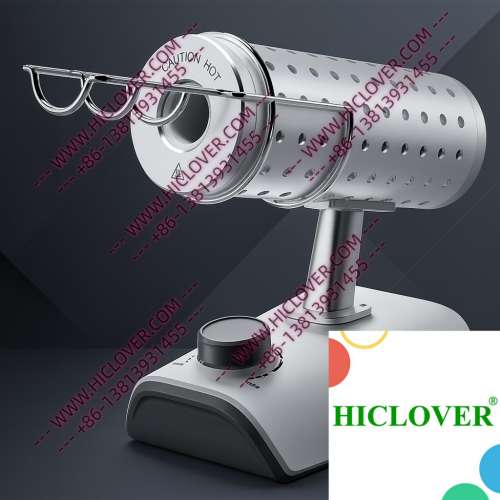
Traditional sterilization methods, such as flame sterilizers—alcohol lamps and Bunsen burners—pose numerous challenges. From generating aerosols that can contaminate samples to requiring lengthy cooling times, these methods can hinder laboratory workflow. Moreover, the risk of burns and fire hazards in sensitive environments is significant. With new spatter-free solutions available, labs can now enhance biosafety protocols while ensuring compliant sterilization practices.
Technical Principles of Infrared Heat Sterilization
The Micro Incinerator operates on the principle of rapid thermal sterilization using infrared heating technology. This innovative approach utilizes a ceramic heating chamber that generates high-temperature infrared radiation. This design allows for the consistent and thorough sterilization of inoculating loops, needles, and other lab equipment without the need for open flames.
As the ceramic heating tube envelopes the sterilization equipment, it ensures a uniform temperature across the surface. The device typically heats up to its operational temperature within seconds, allowing for efficient workflows while maintaining a clean environment. Furthermore, the enclosed design minimizes the risk of contamination, making it a superior solution for critical laboratory practices.
Application Scenarios in Modern Laboratories
- Biosafety Cabinets: In settings such as BSL-2 and BSL-3 microbiology labs, the Micro Incinerator can function seamlessly within biosafety cabinets. These environments prioritize aerosol containment, and the spatter-free operation of infrared sterilizers complements these safety measures by reducing the risks associated with traditional flame-based methods.
- Field Testing Labs: In mobile lab settings or field testing scenarios, the portability and quick setup of infrared sterilizers make them invaluable. They allow field researchers to achieve high-level sterilization on the go, ensuring that results remain uncontaminated and reliable.
Compliance and Environmental Considerations
Ensuring compliance with international biosafety standards is crucial for laboratories around the world. The World Health Organization (WHO) emphasizes the importance of effective sterilization methods to prevent the spread of infections in clinical and research settings. For laboratories, adhering to regulations regarding sterilization practices not only safeguards personnel and the environment but also maintains the integrity of research findings.
Moreover, in clean room environments where open flames are prohibited, using a Micro Incinerator represents an essential step towards achieving compliance and enhancing safety protocols. This device operates efficiently without generating hazardous fumes or aerosols, making it ideal for sterile environments such as CO₂ incubators or anaerobic chambers.
Advantages Over Traditional Flame Sterilizers
| Feature | Micro Incinerator | Flame Burners |
|---|---|---|
| Heating Time | Seconds | Minutes |
| Contamination Control | High (spatter-free) | Low (aerosol generation) |
| Operational Safety | Flame-free | Potential fire hazard |
| Ease of Use | Simple, quick setup | Requires cautious handling |
FAQs About Micro Incinerators and Sterilization
- What is a Micro Incinerator?
A Micro Incinerator is a laboratory device that rapidly sterilizes inoculating loops and needles using infrared heat, offering a spatter-free and safe alternative to traditional flame sterilizers.
- How does infrared sterilization work?
This technology utilizes a ceramic heating chamber that emits infrared radiation to achieve high temperatures, enabling fast and effective sterilization.
- Is the Micro Incinerator safe to use in clean rooms?
Yes, the enclosed design prevents aerosol generation and is flame-free, making it compliant for use in clean room environments.
- How quickly does the Micro Incinerator heat up?
The device can reach operational temperatures in just a matter of seconds, significantly enhancing workflow efficiency.
- Can I use the Micro Incinerator for field testing?
Absolutely, its portability and rapid sterilization capabilities make it an excellent choice for mobile and field laboratory applications.
Conclusion: Choosing the Right Sterilization Solution
As laboratories continue to demand effective sterilization solutions that are both safe and reliable, the Micro Incinerator and Infrared Inoculating Loop Sterilizer stand out as premium choices. By integrating this cutting-edge technology, labs can enhance their biosafety protocols while streamlining workflows. For laboratory supply distributors, hospitals, universities, and research centers considering an upgrade in their sterilization equipment, contacting us for further information or to explore purchasing options can be your next step towards achieving unparalleled lab safety and efficiency.
Categories:
Tags: