
In the pursuit of enhanced biosafety, laboratories face multiple challenges, particularly concerning sterilization workflows. The risk of contamination during lab procedures, especially when dealing with hazardous biological materials, necessitates efficient and reliable sterilization solutions. Traditional methods, such as Bunsen burners or alcohol lamps, are often insufficient in ensuring the safety and rapid sterilization needed in modern laboratories. Enter the Micro Incinerator / Infrared Inoculating Loop Sterilizer — a breakthrough unit designed to address these critical needs while promoting sustainable waste management practices.
Understanding the Technical Principles
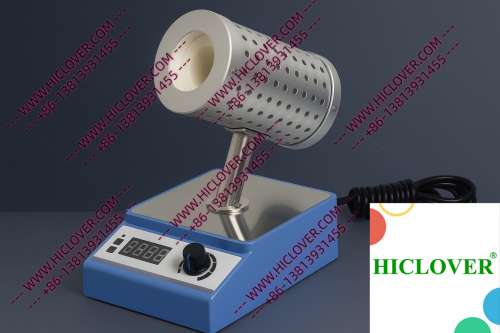
The Micro Incinerator leverages the principle of rapid thermal sterilization through its enclosed ceramic heating chamber. By utilizing infrared heat, this device can achieve high temperatures necessary for effective disinfection and sterilization without producing hazardous open flames. This feature makes the micro incinerator compliant with clean room requirements, fostering a contamination-free environment essential for advanced laboratory operations.
At the core of the micro incinerator is its ceramic heating technology, which allows for precise temperature control, bringing tools and loops to sterilization temperatures quickly and efficiently. Unlike traditional flame sterilizers, these units provide aerosol-free handling, significantly reducing the risk of airborne contamination during sterilization processes.
Regulatory Standards and Compliance
Compliance with WHO biosafety guidelines and laboratory sterilization standards is critical for any facility handling biohazardous materials. The Micro Incinerator aligns with BSL-2 and BSL-3 laboratory regulations, making it an ideal choice for microbiology labs and clinical diagnostics. Additionally, these sterilizers eliminate the need for flames in clean areas, further enhancing safety and compliance within sterile environments.
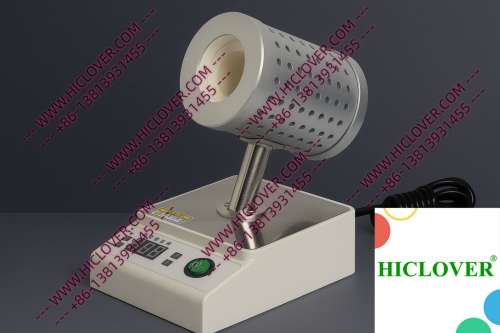
The ability to swiftly and effectively eliminate microorganisms is paramount, particularly in environments like university teaching labs and mobile field testing labs in Argentina. The micro incinerator’s design ensures that labs operate within established biosafety parameters, ultimately reducing the risk of pathogen spread.
Practical Applications in Laboratories
Micro Incinerators find diverse applications across various laboratory settings. Below are two notable scenarios illustrating their utilization:
1. Research Labs in Argentina
In advanced research labs focused on infectious disease, the Micro Incinerator serves as an essential tool for sterilizing inoculating loops and microtools. Inside biosafety cabinets, researchers are tasked with handling pathogens. By substituting traditional flame disinfectors, they utilize the Micro Incinerator for efficient inline sterilization workflows that prevent contamination, allowing safety and research integrity to coexist.
2. University Teaching Laboratories
In educational contexts, university labs often face high student traffic and varying levels of expertise among users. Utilizing the Micro Incinerator allows educators to impart effective sterilization techniques without the hazards associated with flames. Students can safely and confidently sterilize equipment, learning the importance of biosafety principles while engaging in practical experiments.
Comparative Performance: Micro Incinerator vs. Traditional Flame Burners
| Feature | Micro Incinerator | Flame Burners |
|---|---|---|
| Temperature Control | Precise infrared control | Variable, not easily regulated |
| Flame Safety | No open flame | Open flame risk |
| Contamination | Aerosol-free handling | High risk of aerosols |
| Environment Compliance | Clean-room compliant | Not suitable for clean environments |
| Operational Efficiency | Rapid sterilization time | Longer, inconsistent time |
FAQs Regarding Micro Incinerators
- How does the Micro Incinerator achieve rapid sterilization?
The Micro Incinerator uses infrared heat, which raises the temperature of tools rapidly, ensuring effective sterilization in a matter of seconds. - Is the Micro Incinerator compliant with biosafety regulations?
Yes, it meets international biosafety standards, making it safe for use in BSL-2 and BSL-3 labs. - Can Micro Incinerators be used in field testing?
Absolutely, they are portable and ideal for use in remote field testing environments. - How does it minimize contamination risks?
By eliminating the need for flames and providing aerosolfree operation, the Micro Incinerator significantly reduces contamination risk during sterilization. - What are the energy requirements for a Micro Incinerator?
Micro Incinerators are designed to be energy-efficient, making them suitable for extended use without excessive power consumption, ideal for labs in Argentina where resources may be limited.
Conclusion: Embracing a Sustainable Future in Laboratory Practices
For laboratories in Argentina looking to enhance their operational safety and sustainability, investing in a Micro Incinerator / Infrared Inoculating Loop Sterilizer transforms not only sterilization workflows but also promotes responsible waste management practices. As laboratories evolve and face increasing biosafety demands, these innovative solutions stand out amidst traditional methods, making them indispensable. If you’re ready to upgrade your sterilization processes or want more information on our products, don’t hesitate to reach out. Your journey towards improved biosafety and sustainability begins here!
Categories:
Tags: