
In today’s laboratory settings, safety and cleanliness are of utmost importance, especially when handling potentially hazardous biological materials. This puts immense pressure on laboratory managers and technicians to maintain rigorous sterilization protocols. One of the biggest challenges faced is the need for efficient sterilization tools that minimize contamination risks while maintaining compliance with biosafety standards. Enter the Micro Incinerator, specifically the Infrared Inoculating Loop Sterilizer – an innovative solution poised to revolutionize laboratory sterilization workflows.
Understanding the Technical Principles
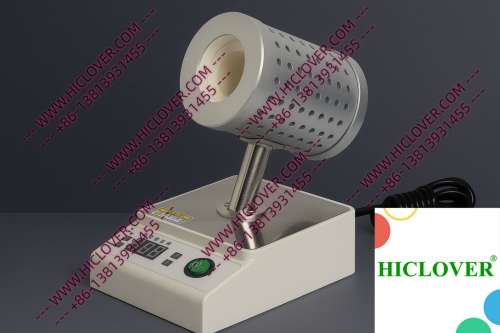
The Micro Incinerator utilizes advanced infrared technology to deliver rapid thermal sterilization. At the core of this device is a high-temperature ceramic heating chamber that emits infrared rays, heating inoculating loops to sterilization temperatures quickly and uniformly. Unlike traditional flame sterilizers, such as alcohol lamps and Bunsen burners, the infrared system provides a flame-free environment ideal for clean-room applications.
One of the key advantages of this technology is its ability to achieve high temperatures (over 800°C) in a short time, significantly reducing the waiting period between sterilization cycles. The enclosed design of the ceramic tube also enhances user safety by minimizing the risk of combustion-related accidents, making it a superior choice for contemporary laboratory settings.
Applications in Real Laboratories
Biosafety Cabinets and Cleanroom Operations
In a BSL-2 laboratory, precise sterilization is critical. The Micro Incinerator is frequently used in biosafety cabinets, where a sterile environment is essential for work involving pathogens. With its aerosol-free handling, it allows researchers to sterilize tools without the risk of airborne contaminants. This ensures that any bacterial or viral cultures handled within are not inadvertently cross-contaminated, thus maintaining the integrity of experimental results.
Field Testing and University Teaching Labs
The versatility of the Micro Incinerator also shines in field testing environments. For instance, researchers conducting environmental analysis in remote locations rely on portable sterilization solutions. Here, the Micro Incinerator excels due to its compact size and effective sterilization capabilities without the dependency on flame-based methods. In teaching labs across universities, it serves as an effective demonstration tool for students learning about sterilization techniques, enhancing their understanding of modern biosafety practices.
Compliance and Environmental Standards
Compliance with international biosafety standards is crucial for any laboratory. The World Health Organization (WHO) emphasizes the importance of laboratory safety, particularly when handling infectious agents. The Micro Incinerator aligns with these standards, offering a solution that meets or exceeds regulatory requirements for sterilization in BSL-2 and BSL-3 labs.
Traditional flame sterilizers pose risks in cleanroom applications due to their potential for uncontrolled flames. On the other hand, the flame-free design of the Micro Incinerator makes it a compliant choice, ensuring safety and efficacy in contamination control. This not only helps in regulatory compliance but also minimizes the laboratory’s carbon footprint by reducing energy waste compared to traditional methods.
Frequently Asked Questions (FAQs)
- What makes Micro Incinerators safer than traditional flame sterilizers?
Micro Incinerators use infrared heat, eliminating open flames and reducing the risks associated with combustion-related accidents. - Can the Micro Incinerator be used in BSL-3 laboratories?
Yes, the Micro Incinerator is suitable for use in BSL-3 laboratories, ensuring compliance with stringent biosafety standards. - How quickly does the Micro Incinerator achieve sterilization temperatures?
It can reach over 800°C in seconds, significantly improving turnaround times for laboratory workflows. - Is the Micro Incinerator portable for field testing?
Absolutely! Its compact design makes it an ideal solution for field testing labs, allowing for effective sterilization without compromising safety. - What are the maintenance requirements for a Micro Incinerator?
The low-maintenance design typically includes periodic cleaning of the ceramic tube and ensuring that the heating element remains unobstructed for optimal performance.
Advantages Over Traditional Flame Sterilizers
The advantages of using a Micro Incinerator compared to traditional flame sterilizers, such as alcohol lamps and Bunsen burners, are substantial:
| Feature | Micro Incinerator | Flame Burners |
|---|---|---|
| Method of Sterilization | Infrared heat (flame-free) | Open flame |
| Time Efficiency | Instant heating (seconds to temperature) | Longer heating times |
| Safety | Reduced combustion risks | Higher risk due to open flames |
| Cleanroom Compatibility | Approved for use | Not suitable |
| Portability | Highly portable | Bulkier equipment |
Conclusion
As the pressure on laboratories to adopt sustainable practices increases, the adoption of the Micro Incinerator is not just an improvement in sterilization efficiency but also a step towards a greener, safer future in laboratory operations. For laboratories looking to enhance their sterilization protocols while ensuring compliance with the latest biosafety standards, the Micro Incinerator represents a cutting-edge solution to meet these challenges. Explore our range of Infrared Inoculating Loop Sterilizers today and take your laboratory sterilization standards to the next level!
Categories:
Tags: