
In laboratory environments, where biosafety is paramount, the need for effective sterilization equipment is crucial. Traditional methods, such as alcohol lamps and Bunsen burners, have served well over the years. However, as the demands for sterilization efficiency and safety standards rise, practitioners are increasingly turning to innovative solutions like the Micro Incinerator, also known as the Infrared Inoculating Loop Sterilizer. In this article, we explore how this advanced sterilization technology is addressing pressing laboratory challenges, while also transforming waste management in Indonesia.
Laboratory Sterilization Challenges
Laboratories, especially those operating at BSL-2 and BSL-3 biosafety levels, face unique biosafety challenges. The risks of contamination and exposure to pathogenic microbes require stringent control measures. Inoculating loops, used for transferring microorganisms, must be sterilized after each use to prevent cross-contamination. Traditional flame sterilizers pose several risks, including the generation of aerosols and the potential for fire hazards in cleanroom environments.
Technical Principles of the Micro Incinerator
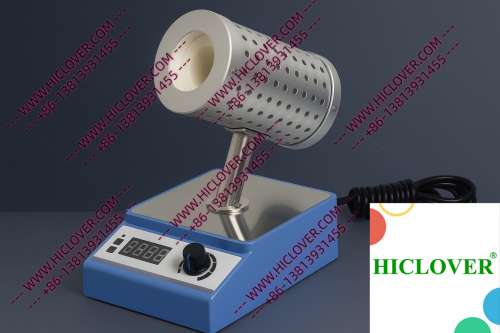
The Micro Incinerator operates on the principle of rapid thermal sterilization. Utilizing an enclosed ceramic heating chamber, it achieves high temperatures necessary for effective disinfection without the use of an open flame. The infrared technology provides rapid infrared high-temperature disinfection, allowing for prompt handling of inoculating loops and other small instruments. This closed design not only protects the user from harmful vapors but also reduces the risk of contamination in the surrounding area.
Design and Configuration
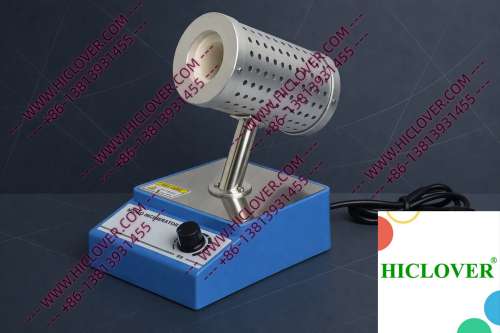
This compact and efficient device resembles a traditional inoculating loop holder but integrates cutting-edge technology. The Micro Incinerator’s ceramic tube ensures uniform heat distribution, which is essential for consistent sterilization. Users can expect a quick response time, with the unit reaching sterilization temperatures in mere seconds. This makes it ideal for various settings, from clinical diagnostics to university teaching labs.
Application Scenarios
Biosafety Cabinet Usage
In a controlled laboratory setting, the Micro Incinerator can be used inside a biosafety cabinet. This configuration allows microbiologists to sterilize inoculating loops without exposing themselves to potential biohazards. It complements strict contamination control measures, ensuring a clean environment for sample manipulations.
Field Testing Logistics
Mobile labs conducting field testing significantly benefit from the compact design and portability of this device. Equipped with the Micro Incinerator, field researchers can effectively sterilize tools on-site, ensuring their operations are both efficient and compliant with WHO biosafety guidelines.
Compliance with Biosafety Standards
Adhering to international biosafety regulations is essential for laboratory operations. The Micro Incinerator aligns with WHO standards for lab sterilization, offering a safer alternative to traditional flame sterilizers, which can generate uncontrolled aerosols. Moreover, having no open flame makes it suitable for use in clean rooms where the risk of contamination must be minimized.
Environmental Considerations
The Micro Incinerator not only aids in infection control but also contributes to transforming waste into energy. In a similar vein, the initiative in Indonesia focuses on responsible waste management, showcasing how technologies can align with sustainable goals. By efficiently managing laboratory waste, labs in Indonesia can promote environmental sustainability while enhancing their sterilization processes.
Micro Incinerator vs. Flame Burners
| Feature | Micro Incinerator | Flame Burners |
|---|---|---|
| Temperature Control | Precise and consistent | Variable and hazardous |
| Aerosol Generation | None | High risk |
| Portability | Compact and mobile | Less practical |
| Compliance | Meets WHO standards | Potential safety breaches |
FAQs about the Micro Incinerator
- What are the key benefits of using a Micro Incinerator over traditional flame sterilizers?
The Micro Incinerator offers precise temperature control, reduces aerosol risks, and complies with modern sterilization standards, making it safer for laboratory environments. - How does the ceramic heating chamber work in the Micro Incinerator?
The ceramic heating chamber generates rapid infrared heat, enabling quick sterilization of inoculating loops and other small instruments. - Can the Micro Incinerator be used in field testing labs?
Yes, its compact and portable design makes it ideal for mobile labs that require on-site sterilization options. - How do I maintain the Micro Incinerator for optimal performance?
Regular cleaning of the ceramic chamber and ensuring that the power supply is stable will maintain high performance over time. - Is training necessary for using the Micro Incinerator effectively?
While it is user-friendly, training sessions can enhance understanding and adherence to biosafety protocols.
Conclusion
In a world where laboratory sterilization must meet rigorous safety and efficiency standards, the Micro Incinerator stands out as a transformative tool. Its advanced design eliminates the risks associated with traditional flame sterilizers and provides a reliable solution for biosafety cabinet applications, mobile testing, and teaching labs. By partnering with leading suppliers and educators, you can now equip your laboratory with this innovative sterilization device. Reach out today to learn how the Micro Incinerator can elevate your sterilization practices and contribute to sustainable waste management solutions.
Categories:
Tags: