
In today’s rapidly advancing scientific landscape, laboratory biosafety challenges and the demands for reliable sterilization workflows remain a top priority. Traditional methods utilizing flame sterilizers like Bunsen burners and alcohol lamps can introduce risks such as open flames, aerosol generation, and potential contamination, particularly within clean environments like BSL-2/BSL-3 microbiology labs. In Brazil, where sustainability efforts are increasingly important, micro incinerators are emerging as essential devices for transforming waste into energy while ensuring safety and compliance in laboratory settings.
The Technical Principles of Micro Incinerators
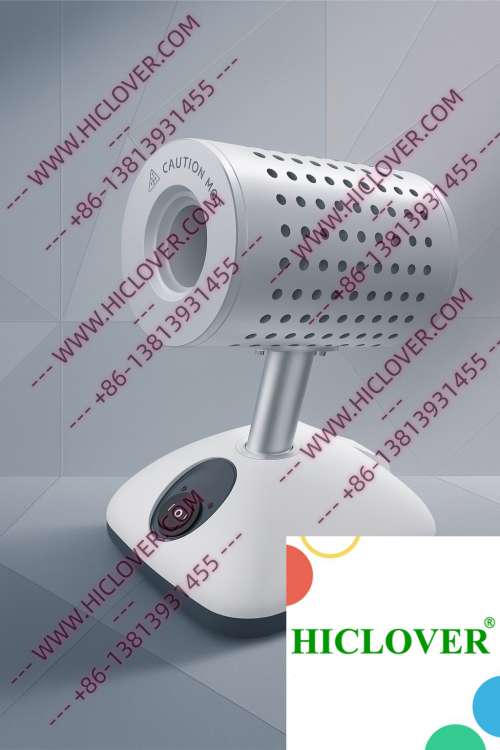
Micro Incinerators, particularly the Infrared Inoculating Loop Sterilizer, employ a state-of-the-art technical design that leverages infrared heat within an enclosed ceramic tube. This system allows for rapid thermal sterilization, effectively killing microbial cultures without the risks associated with flames. The ceramic heating chamber reaches high temperatures, ensuring effective disinfection of inoculating loops and other lab tools while minimizing the risk of cross-contamination through aerosol generation.
Contrasting with traditional flame equipment, the infrared design provides a consistent and controllable heat source, rapidly achieving temperatures that ensure complete sterilization in seconds. This efficiency is not only critical for maintaining laboratory safety but also supports Brazil’s initiatives for ecological conservation by converting waste into energy in compliance with current environmental regulations.
Application Scenarios in Real Labs
1. Biosafety Cabinets
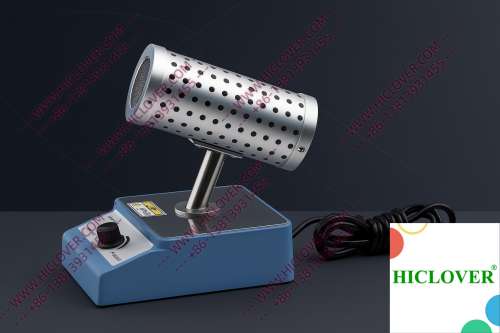
In BSL-2 and BSL-3 microbiology labs, where handling of hazardous pathogens occurs, maintaining sterile conditions is critical. Micro Incinerators are suitable for biosafety cabinets, where operators must work in an environment that minimizes aerosol risks. By using infrared sterilizers, staff can efficiently sterilize instruments without creating disturbances in the air quality of the clean workspace, thus enhancing both safety and workflow flexibility.
2. University Teaching Labs
Educational institutions across Brazil are increasingly adopting Micro Incinerators in their laboratories for teaching purposes. In university teaching labs, students can observe and learn safe sterilization techniques without the dangers associated with flame-based sterilization. These modern sterilizers not only demonstrate compliance with WHO biosafety standards but also foster an engaging educational environment that emphasizes safety and innovation.
Compliance with Safety Standards
Adhering to safety standards is crucial for research laboratories and educational institutions. Micro Incinerators exceed the requirements outlined by WHO biosafety and laboratory sterilization standards. Unlike flame-based sterilizers that can compromise clean room protocols, infrared sterilizers operate effectively without open flames, ensuring a clean-bench-safe environment.
This is particularly vital in Brazil, where environmental legislation is becoming stricter. The ability to sterilize and convert waste into energy aligns perfectly with the country’s green initiatives, aiming to reduce the carbon footprint of laboratory operations while promoting public safety.
Comparative Analysis: Micro Incinerator vs. Flame Burners
| Feature | Micro Incinerator | Flame Burners |
|---|---|---|
| Safety | No open flame; reduced aerosols | Potential for fire hazards; aerosol generation |
| Efficiency | Rapid thermal sterilization | Longer heating time |
| Portability | Compact, easy to transport | Typically larger and less mobile |
| Environmental Impact | Supports energy conversion | No energy recovery capabilities |
Frequently Asked Questions
- What advantages do micro incinerators offer over traditional flame sterilizers? Micro Incinerators provide enhanced safety and efficiency, minimize contamination risks, and support sustainable waste-to-energy conversion.
- Can a micro incinerator be used in BSL-3 laboratories? Yes, micro incinerators are designed to comply with strict biosafety protocols, making them ideal for BSL-3 settings.
- How does the infrared mechanism improve sterilization? The infrared heating element rapidly reaches high temperatures, effectively killing microorganisms in seconds without the need for a flame.
- Are micro incinerators environmentally friendly? Yes, they not only ensure safe sterilization but also contribute to energy efficiency by converting waste into usable energy.
- What types of laboratories use micro incinerators? They are commonly utilized in teaching labs, field testing labs, clinical diagnostics, and microbiology research facilities.
Conclusion
In conclusion, the emergence of micro incinerators, particularly the Infrared Inoculating Loop Sterilizer, reflects the innovative approaches Brazil is taking toward a greener future while ensuring laboratory safety standards. These devices not only streamline sterilization workflows by eliminating inherent risks of traditional open-flame methods but also help laboratories contribute to environmental sustainability.
For laboratories seeking efficiency, safety, and compliance, considering a Micro Incinerator can revolutionize operational practices. Reach out today to explore how these advanced sterilization solutions can benefit your organization and contribute to Brazil’s green transformation.
Categories:
Tags: