
As laboratory settings face increasing biosafety challenges and a demand for streamlined sterilization workflows, effective solutions become paramount. Particularly in clinical diagnostics, university teaching labs, and field testing environments, safe and efficient sterilization equipment plays a crucial role. The high-temperature micro incinerator, operating at temperatures of 850-950°C, offers an innovative approach to sterilization, poised to significantly enhance operational efficiency and contamination control.
Understanding the Technical Principles
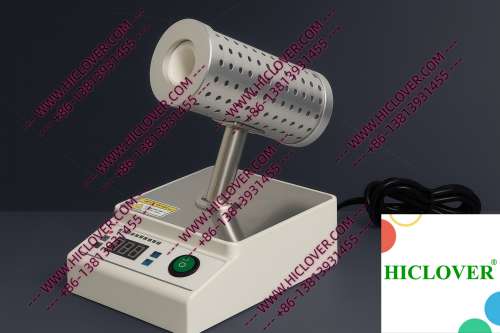
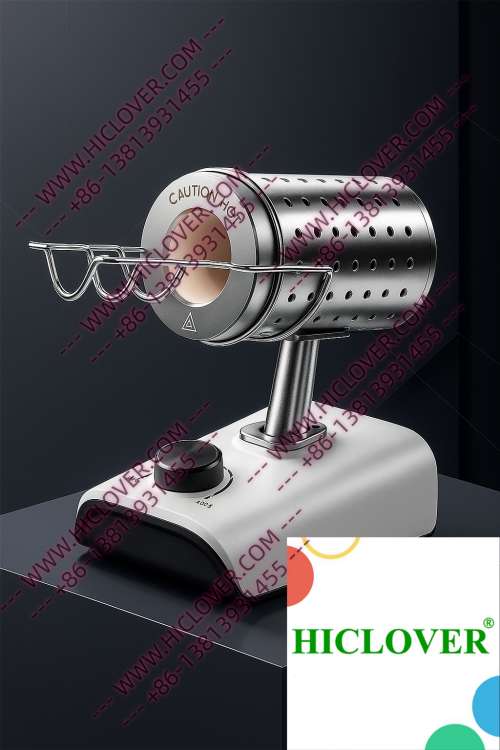
The micro incinerator operates on the principle of rapid thermal sterilization. Utilizing an enclosed ceramic heating chamber, it generates infrared heat that effectively eliminates organic materials and pathogens in mere seconds. Unlike traditional flame-based methods, which often produce aerosols and involve open flames, the micro incinerator presents a clean-bench-safe solution that is essential for maintaining sterile environments.
With no risk of fire or fume hazards, these devices are increasingly favored in biosafety cabinets, particularly in BSL-2 and BSL-3 microbiology labs. They ensure compliance with various sterilization standards while offering high levels of safety and efficiency.
Applications in Real-World Laboratory Settings
- Biosafety Cabinets: Micro incinerators seamlessly integrate into biosafety cabinets, ensuring that sterilization occurs in a controlled environment. This minimizes the risk of contamination and guarantees that lab personnel are protected.
- Field Testing: In field testing scenarios, particularly in remote locations, the compact nature of the micro incinerator allows research teams to effectively sterilize inoculating loops and other tools without relying on traditional flame sources.
- Teaching Labs: University laboratories can implement micro incinerators as part of a standard curriculum. This equipment not only addresses sterilization needs but also educates students on the latest advancements in laboratory safety and efficiency.
- What are the main benefits of using a micro incinerator for sterilization?
Micro incinerators provide rapid thermal sterilization, enhanced safety without open flames, and effective contamination control, all of which enhance laboratory operational efficiency. - How does the micro incinerator differ from traditional flame sterilizers?
The micro incinerator operates at higher temperatures, eliminates aerosol risks, and ensures a time-efficient process compared to traditional flame-based methods. - Can a micro incinerator be used in field testing conditions?
Yes, its compact design makes it suitable for use in remote field testing environments where traditional sterilization methods may not be practical. - Are micro incinerators compliant with international safety standards?
Absolutely, they meet WHO biosafety guidelines and other laboratory sterilization standards, ensuring they are safe for BSL-2 and BSL-3 labs. - What is the expected lifespan of a micro incinerator?
With proper use and maintenance, micro incinerators can last several years, offering a reliable and consistent sterilization solution.
Compliance and Environmental Considerations
When selecting sterilization equipment, compliance with biosafety regulations is critical. The World Health Organization (WHO) lays out guidelines for laboratory sterilization practices, highlighting the necessity for efficient methods that limit exposure to hazardous bacteria and viruses.
Recent advancements include regulations emphasizing the need for no open flames within clean rooms. The micro incinerator meets these standards by providing an aerosol-free and flame-free operational mode. Its high operating temperatures ensure complete sterilization, aligning with laboratory sterilization standards necessary for clinical and research settings.
Advantages of Micro Incinerators Over Traditional Flame Sterilizers
| Features | Micro Incinerator | Flame Sterilizers |
|---|---|---|
| Operating Temperature | 850-950°C | Variable, typically lower |
| Safety | Flame-free operation | Open flame, potential hazards |
| Contamination Control | No aerosols, enclosed design | Aerosol production risk |
| Efficiency | Rapid sterilization (<10 seconds) | Longer sterilization times |
| Application Versatility | Laboratories, field testing, teaching | Limited to laboratory settings |
Frequently Asked Questions (FAQs)
Conclusion: A New Era in Laboratory Sterilization
The evolution of waste management strategies through high-temperature micro incinerators represents a significant advancement in laboratory sterilization technology. Particularly beneficial for clinical diagnostics, microbiological research, and academic teaching, these devices secure biohazard control while enhancing workflow efficiency.
If you are looking to modernize your laboratory’s sterilization methods or have questions about integrating a micro incinerator into your operations, contact us today for tailored solutions that meet your lab’s specific needs.
Categories:
Tags: