
As laboratory environments face increasing pressure to maintain stringent biosafety standards, the demand for efficient and effective sterilization methods has become paramount. Traditional flame sterilizers, such as Bunsen burners and alcohol lamps, present significant risks in terms of contamination control and environmental safety. The emergence of micro incinerators, specifically the Micro Incinerator / Infrared Inoculating Loop Sterilizer, offers a scalable and effective solution for modern laboratories in Algeria and beyond.
The Biosafety Challenge in Modern Laboratories
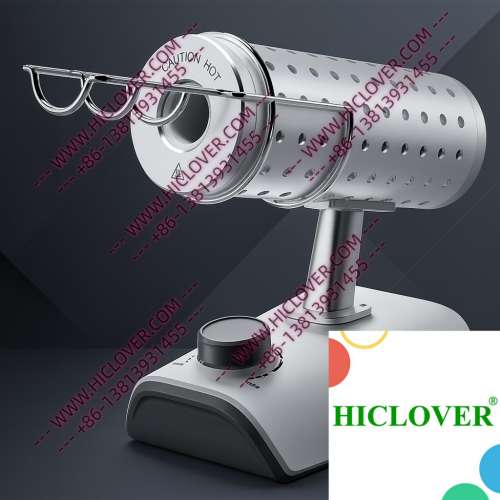
Laboratories are primarily focused on ensuring biosafety, particularly in BSL-2 and BSL-3 microbiology labs or clinical diagnostics centers. These settings require rapid thermal sterilization to mitigate the risk of airborne pathogens while minimizing contamination from aerosols. Flame-based methods can create hazardous conditions in clean rooms, as they increase the likelihood of open flames interacting with sensitive equipment and substances.
Technical Principles of Micro Incinerators
The Micro Incinerator employs infrared heat technology, which generates high temperatures within an enclosed ceramic tube. This setup enables the sterilization process to be rapid and efficient, providing a clean-bench-safe environment ideal for contamination-sensitive applications. The absence of an open flame reduces risk factors significantly, enhancing laboratory personnel’s safety.
Configuration and Features
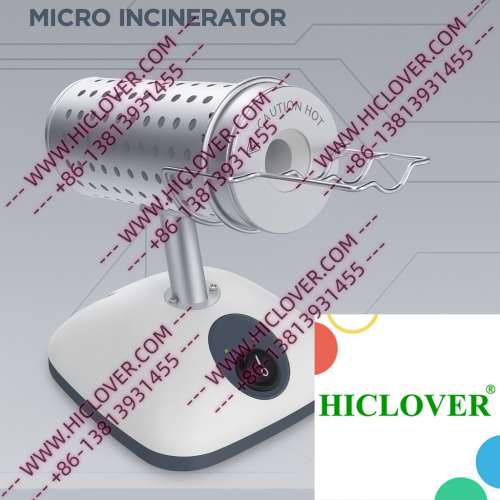
- Infrared heating technology for rapid sterilization
- Enclosed ceramic heating chamber for contamination control
- Aerosol-free handling of inoculating loops and tools
- Compact design suitable for various laboratory settings
- Environmentally friendly with minimal waste generation
Applications in Real Labs
Micro Incinerators have found numerous applications across various laboratory settings:
1. University Teaching Labs
In teaching labs, the Micro Incinerator serves as an effective tool for instructing students in sterilization techniques. This equips future scientists with hands-on experience in maintaining biosafety through innovative technology.
2. Field Testing Labs
Mobile laboratories often encounter challenges in sterilizing equipment on-site. The compact design and portability of the Micro Incinerator allow field technicians to quickly sterilize tools, promoting accurate sampling while preventing cross-contamination.
Biosafety Compliance and Environmental Considerations
The WHO has established stringent biosafety guidelines aimed at maintaining laboratory integrity. Compliance with these regulations is critical not only for laboratory accreditation but also for safeguarding public health. Traditional flame sterilizers are often non-compliant in environments like clean rooms due to the inherent risks they pose. In contrast, the Micro Incinerator adheres to global sterilization standards, providing a sterile environment without an open flame, making it an ideal choice for facilities aiming for biosafety compliance.
Micro Incinerator vs. Traditional Flame Burners
| Feature | Micro Incinerator | Flame Sterilizers |
|---|---|---|
| Safety | No open flames | Open flames present |
| Ease of Use | One-touch operation | Requires manual flame control |
| Sterilization Speed | Rapid (< 5 seconds) | Variable (depends on user skill) |
| Environmental Impact | Minimal waste | Potential hazardous emissions |
| Contamination Control | Enclosed heating ensures control | Aerosol risk |
Frequently Asked Questions (FAQs)
- What is the operating principle behind the Micro Incinerator?
The Micro Incinerator utilizes infrared heat to provide rapid thermal sterilization in an enclosed ceramic tube, ensuring effective disinfection. - How does the Micro Incinerator support biosafety?
It eliminates the risks associated with open flames, significantly reducing contamination and enhancing overall laboratory safety compliance. - Where can the Micro Incinerator be used?
Its applications range from university teaching labs to field testing laboratories, making it a versatile tool for various sterilization needs. - Is there a risk of aerosol generation with the Micro Incinerator?
No, the design inherently prevents aerosol generation, ensuring that sterilization operations do not compromise cleanroom conditions. - How does it compare with traditional sterilization methods?
With its rapid sterilization capabilities and safety features, the Micro Incinerator outperforms traditional flame sterilizers in both speed and contamination control.
Conclusion
The implementation of micro incinerators, particularly the Infrared Inoculating Loop Sterilizer, is revolutionizing waste management and sterilization practices within laboratories in Algeria. By addressing both practical biosafety challenges and compliance standards, these devices are paving the way for a cleaner, safer, and more efficient laboratory environment.
If you’re ready to enhance your laboratory’s sterilization processes, contact us today to discover how the Micro Incinerator can meet your needs!
Categories:
Tags: