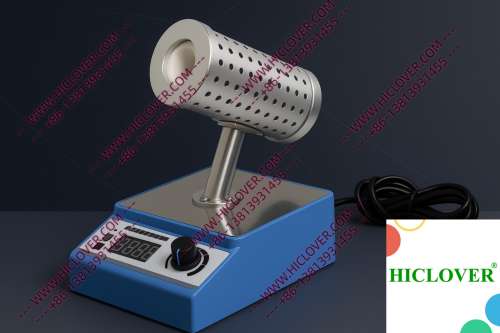
In the realm of laboratory work, biosafety challenges and sterilization workflow demands present a constant need for effective solutions. As laboratory professionals strive to maintain stringent cleanliness standards and minimize contamination risks, innovative technologies such as micro incinerators have gained traction. This article delves into the significant role of micro incinerators, particularly the Infrared Inoculating Loop Sterilizer, as pivotal equipment in modern sterilization practices across various settings in Kenya.
The Technical Principles Behind Micro Incinerators
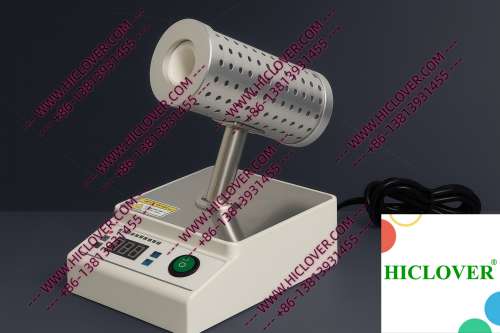
Micro incinerators utilize rapid thermal sterilization to achieve effective disinfection. The core operating principle relies on infrared heat delivered through an enclosed ceramic heating chamber. This configuration enables highly localized heating, allowing for precise control over the temperature. Unlike traditional flame sterilizers such as alcohol lamps or Bunsen burners, micro incinerators ensure consistent high-temperature disinfection without the risks associated with open flames.
The infrared technology employed in micro incinerators provides several advantages that cater to the needs of modern laboratories:
- Clean-Bench-Safe: The design allows for use in clean environments, as it produces no aerosols, minimizing contamination risks.
- Aerosol-Free Handling: Users can operate the device without the fear of creating harmful aerosols, pivotal in BSL-2 and BSL-3 microbiology labs.
- Efficient and Fast: Infrared heating rapidly reaches sterilization temperatures compared to conventional flame methods.
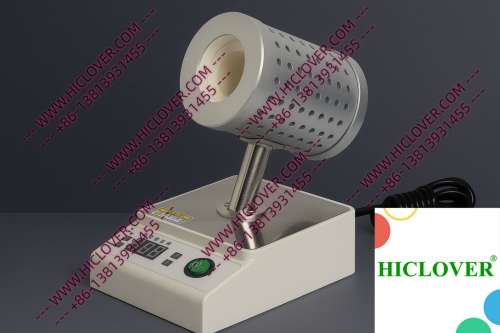
Applications of Micro Incinerators in Laboratory Settings
1. Biosafety Cabinets in Clinical Diagnostics
Clinical diagnostics laboratories often rely on biosafety cabinets to maintain a sterile environment. The integration of micro incinerators within these cabinets allows laboratory personnel to sterilize inoculating loops and other small instruments without risking contamination from traditional flame sources. The microwave-safe nature of the infrared sterilizer reinforces the safety and efficiency of the workflow, ensuring that sensitive samples are safeguarded throughout the testing process.
2. University Teaching Labs
In educational institutions, particularly in science and microbiology programs, hands-on training is paramount. Micro incinerators provide an excellent educational tool for students learning about sterilization techniques. As students practice inoculation in a controlled lab environment, the use of infrared loop sterilizers offers a safe alternative that fosters an accurate understanding of biosafety protocols without the distractions or hazards posed by flames.
Compliance and Environmental Concerns
Laboratories in Kenya must adhere to specific biosafety and sterilization standards set forth by the World Health Organization (WHO) and local regulatory bodies. These standards emphasize the importance of contamination control and safe handling practices. Micro incinerators align with these regulations, providing a means to achieve effective sterilization while ensuring the integrity of cleanroom environments.
Notably, the absence of flames in clean rooms significantly reduces the risks associated with combustible materials, making micro incinerators an ideal solution for sensitive laboratory operations. Furthermore, their efficiency helps in waste management by reducing the volume of biohazardous waste, thus fostering a more sustainable laboratory practice.
Micro Incinerator vs. Traditional Flame Sterilizers
| Feature | Micro Incinerator | Traditional Flame Sterilizers |
|---|---|---|
| Temperature Control | Precise infrared heat | Dependent on flame adjustment |
| Aerosol Generation | No aerosol generation | Potential aerosol dispersion |
| Safety | Flame-free operation | Fire risk exists |
| Usage in Clean Environments | Suitable for clean benches | Not recommended |
| Efficiency | Rapid and effective | Slower heat-up time |
FAQs about Micro Incinerators
What are the main benefits of using a micro incinerator over traditional sterilizers?
Micro incinerators provide flame-free operation, enhanced safety, rapid sterilization, and minimize the risk of aerosol generation, making them suitable for cleanroom environments and sensitive laboratory settings.
How does the infrared sterilization process work?
The infrared sterilization process works by using infrared heat to quickly raise the temperature of instruments to sterilization standards without open flames, enabling consistent and effective disinfection.
Where can micro incinerators be used in laboratory settings?
Micro incinerators are versatile and can be used in various lab environments, including BSL-2 and BSL-3 microbiology labs, clinical diagnostics, university teaching labs, and field testing labs.
Are there any environmental benefits to using micro incinerators?
Yes, micro incinerators align with waste management practices by reducing the need for extensive biodegradation processes and minimizing biohazardous waste volume, promoting cleaner and sustainable lab operations.
How do I know if a micro incinerator meets compliance standards?
To ensure compliance, verify that the micro incinerator is certified according to WHO biosafety standards and relevant local regulations. Always consult product specifications with your supplier.
Conclusion
As Kenya strives to improve its waste management practices and laboratory sterilization techniques, micro incinerators, particularly infrared inoculating loop sterilizers, revolutionize how labs achieve safe and efficient sterilization. With their numerous advantages over traditional flame sterilizers—including enhanced safety, speed, and compliance with biosafety regulations—these devices represent the future of laboratory sterilization. For laboratory supply distributors, hospitals, universities, and research centers, investing in high-quality micro incinerators can prove critical in elevating safety and efficiency standards. Contact us today to explore our range of micro incineration solutions tailored to meet your specific laboratory needs.
Categories:
Tags: