
In laboratories across Morocco, the need for efficient waste management and contamination control has never been more pressing. As research and discovery continue to grow in the region, so do the biosafety challenges associated with laboratory work. Traditional sterilization methods, including flame sterilizers such as alcohol lamps and Bunsen burners, are increasingly being replaced by advanced systems like Micro Incinerators and Infrared Inoculating Loop Sterilizers. These innovations not only ensure compliance with international standards but also enhance sterilization workflows significantly.
Modern Challenges in Laboratory Biosafety
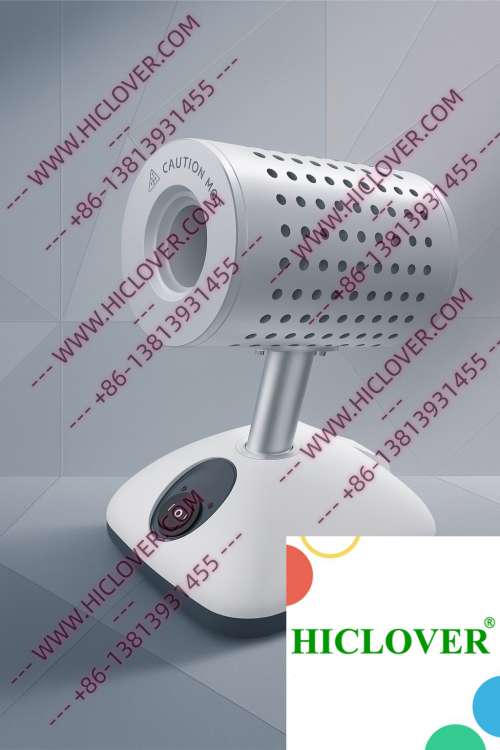
Laboratory biosafety demands heightened attention to contamination control. Conventional flame sterilization methods may expose technicians to hazardous aerosols, risk thermal injury, and compromise the integrity of sensitive environments such as clean rooms and biosafety cabinets. This results in a critical need for rapid thermal sterilization methods that minimize risk while maximizing efficacy in contamination control. Micro Incinerators offer a solution that meets these challenges head-on, using infrared technology to provide safe, efficient sterilization that requires no open flame.
The Technical Principle Behind Micro Incinerators
The Micro Incinerator operates on the principle of infrared high-temperature disinfection, harnessing the power of a ceramic heating chamber to achieve rapid sterilization of inoculating loops, needles, and other lab implements. Unlike traditional flame sources, the enclosed ceramic tube ensures that the heat is concentrated and allows precise temperature control, making microbial eradication efficient and complete. This technology allows for aerosol-free handling, which is vital in maintaining sterile environments within BSL-2 and BSL-3 microbiology labs.
Applications of Micro Incinerators in Moroccan Laboratories
- Biosafety Cabinets: In biosafety cabinets, micro incinerators facilitate rapid sterilization of instruments without creating aerosols, ensuring a clean and safe working environment. These units can swiftly decontaminate tools between uses, keeping contamination risks at bay.
- Field Testing: Field testing labs, especially in rural settings in Morocco, benefit from portable micro incinerators that can be quickly set up to sterilize equipment on-site, thus preserving sample integrity and safety. The lightweight, compact design allows for flexibility without compromising performance.
- Teaching Labs: In academic settings, micro incinerators are ideal for demonstrating sterilization techniques to students. These devices provide a hands-on experience without the inherent risks associated with flame-based sterilization, emphasizing the importance of safety in laboratory practices.
Compliance and Environmental Considerations
Compliance with international biosafety standards is paramount in laboratory operations. According to the World Health Organization (WHO) biosafety guidelines, laboratories must prioritize methods that mitigate risk to personnel and the environment. Micro Incinerators meet these standards, allowing for flame-free operations that reduce the potential for fire hazards and air contamination in clean rooms. Moreover, they align with recommendations for waste management and sterilization practices, making them an essential asset for modern laboratories.
Advantages Over Traditional Flame Sterilizers
| Feature | Micro Incinerators | Flame Sterilizers |
|---|---|---|
| Safety | No open flames, aerosol-free handling | Risk of burns, aerosol generation |
| Efficiency | Rapid indoor and outdoor use | Slower, requires setup and ignition |
| Control | Precise temperature regulation | Variable heat control |
| Environmental Impact | Reduced emissions | Higher potential for environmental contamination |
Frequently Asked Questions
- What is a Micro Incinerator?
A Micro Incinerator is a compact laboratory device used for rapid sterilization of inoculating loops and other instruments, utilizing infrared heat technology for efficient, flame-free operation. - How does it improve biosafety in the laboratory?
By eliminating open flames and reducing aerosol generation, micro incinerators create a safer environment for laboratory technicians, minimizing the risk of contamination and thermal injuries. - Can Micro Incinerators be used in field labs?
Yes, their portability and compact design make them suitable for use in mobile labs or field testing environments, ensuring safe sterilization on-site. - Are Micro Incinerators compliant with international sterilization standards?
Yes, they comply with WHO biosafety and sterilization guidelines, ensuring adherence to safety and environmental practices. - What are the ideal applications for a Micro Incinerator?
Applications include usage in biosafety cabinets, field laboratories, teaching laboratories, and clinical diagnostics, significantly enhancing sterilization efficiency and safety.
Conclusion
The introduction of Micro Incinerators in Moroccan laboratories represents a transformative approach to waste management and sterilization. As research progresses and the demand for biosafety intensifies, these innovative devices are setting new standards in laboratory practices. If your laboratory seeks to enhance sterilization workflows while ensuring compliance with health and safety regulations, consider investing in a Micro Incinerator. Reach out to us today to explore our range of advanced laboratory sterilization equipment tailored to meet your exact needs.
Categories:
Tags: