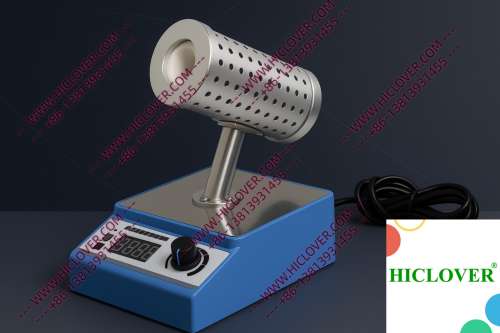
In an era where biosafety and contamination control are paramount, laboratories face numerous challenges in maintaining a sterile environment. The need for effective sterilization workflows has never been greater, especially as research labs, clinical diagnostics centers, and educational institutions continue to grow. One innovative solution that is gaining traction in South Africa is the Micro Incinerator, particularly the Infrared Inoculating Loop Sterilizer. This article explores the principles, applications, and compliance standards associated with this vital piece of laboratory sterilization equipment.
Technical Principles of Micro Incinerators
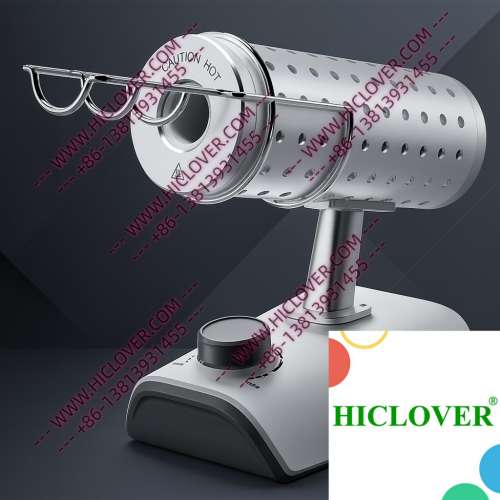
The Micro Incinerator operates using advanced infrared heating principles to achieve rapid thermal sterilization. Unlike traditional flame-based sterilizers such as Bunsen burners and alcohol lamps, the Micro Incinerator features an enclosed ceramic heating chamber that delivers high-temperature disinfection without the hazards of open flames. This design ensures effective sterilization of inoculating loops, needles, and similar tools, promoting a safer laboratory environment.
Infrared heating provides uniform heat distribution, ensuring that all surfaces reach the necessary temperatures to eliminate microbial life. The enclosed chamber not only enhances safety by preventing the risk of burns or accidents associated with flame-based devices but also supports aerosol-free handling, minimizing contamination risks.
Applications of Micro Incinerators in Laboratories
- Biosafety Cabinets: Micro Incinerators are ideally suited for use within biosafety cabinets where maintaining a sterile environment is critical. Their compact design allows for convenient integration into existing workflows, ensuring that inoculating tools can be sterilized quickly and efficiently, thereby preventing cross-contamination during microbial culture procedures.
- Field Testing Labs: In scenarios where mobile laboratories are deployed for field testing, Micro Incinerators offer a reliable solution for sterilization without the need for bulky equipment. Their portability and efficient performance make them indispensable for conducting assessments in remote locations, such as environmental sampling or field pathogen diagnostics.
- University Teaching Labs: The educational sector benefits greatly from Micro Incinerators as they provide a safe and effective means of teaching sterilization techniques to students. They are ideal for use in university microbiology labs, where students can learn essential skills in a controlled and safe environment.
- What are the main benefits of using a Micro Incinerator in a laboratory setting?
Micro Incinerators provide rapid sterilization, enhanced safety due to the absence of open flames, and are ideal for maintaining a contamination-free workspace. - Can Micro Incinerators be used in field settings?
Yes, their compact and portable design makes them suitable for field testing labs, allowing for efficient sterilization in diverse environments. - Are Micro Incinerators compliant with WHO biosafety standards?
Absolutely, they meet stringent international biosafety and sterilization standards, making them ideal for BSL-2 and BSL-3 laboratories. - How do Micro Incinerators compare with traditional sterilizers in terms of efficiency?
Micro Incinerators heat rapidly and provide consistent temperature regulation, resulting in more reliable sterilization compared to traditional flame methods. - What types of tools can be sterilized using a Micro Incinerator?
Inoculating loops, needles, and other reusable lab tools can be efficiently sterilized using the Micro Incinerator.
Compliance and Environmental Considerations
As laboratories strive to meet stringent biosafety and sterilization standards, it is crucial to adhere to international guidelines set forth by the World Health Organization (WHO) and local health authorities in South Africa. Micro Incinerators comply with laboratory sterilization standards, ensuring that they are a safe choice for BSL-2 and BSL-3 labs. With no open flames, they are clean-bench-safe, making them suitable for sterile environments where contamination risks must be minimized.
Adopting micro incinerators can significantly enhance the safety and efficacy of sterilization protocols in laboratories across various fields.
Advantages Over Traditional Flame Sterilizers
| Feature | Micro Incinerator | Flame Sterilizers |
|---|---|---|
| Heat Source | Infrared (enclosed) | Open flame |
| Safety | High (aerosol-free) | Moderate (risk of burns) |
| Efficiency | Rapid thermal sterilization | Variable (depends on operator skill) |
| Portability | High | Low |
As illustrated, Micro Incinerators outperform traditional flame sterilizers in multiple areas, making them a practical choice for modern laboratories seeking to enhance their sterilization protocols.
Frequently Asked Questions
Conclusion
If you’re a laboratory supply distributor, hospital administrator, or educator in South Africa, integrating Micro Incinerators into your sterilization protocols could significantly improve both efficiency and safety. The transition from traditional flame sterilizers to a Micro Incinerator represents a vital step in modernizing laboratory operations. For inquiries or to explore purchasing options, please contact us today. We look forward to assisting you in elevating your laboratory safety and sterilization workflows.
Categories:
Tags: