
In modern laboratories, especially those operating at Biosafety Level 2 (BSL-2) and BSL-3, maintaining a sterile environment is paramount. As scientists and technicians are increasingly confronted with the challenges of contamination control, the demand for effective laboratory sterilization equipment rises. Traditional solutions, such as alcohol lamps and Bunsen burners, have limitations, including risk of flame hazards and inadequate environmental controls in sensitive settings. This calls for innovative technologies like the Micro Incinerator, particularly the Infrared Inoculating Loop Sterilizer, which offers both efficiency and safety in sterilization workflows.
The Technical Principles Behind Micro Incinerators
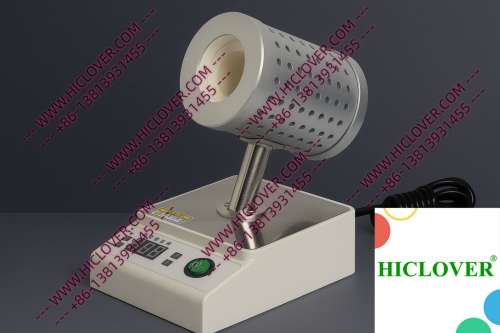
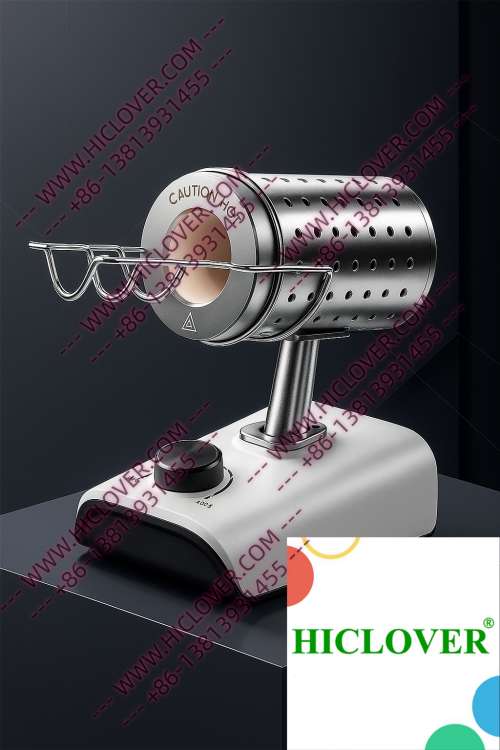
Micro Incinerators employ infrared high-temperature disinfection techniques, designed to provide rapid thermal sterilization of inoculating loops and other small laboratory instruments. Central to their functionality is the enclosed ceramic heating chamber, which generates intense infrared heat that can quickly sterilize tools without the risks associated with open flames.
Key features of the Micro Incinerator include:
- Rapid Heating: The infrared technology allows the device to reach operating temperatures almost instantaneously, typically between 800°C to 1000°C.
- Energy Efficiency: This technology reduces energy consumption compared to traditional flame methods.
- Clean-Bench-Safe Design: Enclosed spaces prevent the release of aerosols, making it a safer alternative for cleanroom environments.
- Contamination Control: The closed system minimizes the risk of airborne pathogens or contamination.
- Ensuring no open flames are present in cleanrooms, significantly reducing fire hazards.
- Providing effective disinfection methods that comply with national and international laboratory sterilization standards.
- Minimizing the risk of aerosol formation, which is crucial during the handling of pathogenic microorganisms.
Application Scenarios in Real Labs
Micro Incinerators have proven their value in diverse operational contexts. Here are two practical scenarios demonstrating their use:
1. Biosafety Cabinets
In BSL-2 and BSL-3 laboratories, where the handling of infectious agents is routine, the Micro Incinerator serves as an essential component. Within a biosafety cabinet, personnel can utilize the sterilizer to quickly and effectively sterilize inoculating loops without fear of flames disturbing the sterile airflow. This capability allows for a safer and more efficient sterilization process, ensuring compliance with strict laboratory protocols.
2. Teaching Labs
Universities and educational institutions have also adopted Micro Incinerators for teaching lab environments. Students are introduced to sterilization techniques with a focus on safety and best practices, where the fear of accidents is minimized. The infrared sterilizer provides a practical learning experience, allowing students to focus on microbiological techniques rather than battle traditional flame technology.
Compliance and Environmental Considerations
Compliance with laboratory standards and biosafety regulations is critical in maintaining the integrity and safety of laboratory practices. Organizations like the World Health Organization (WHO) outline guidelines that reinforce the importance of proper sterilization techniques. The Micro Incinerator aligns with these guidelines by:
Furthermore, as cities like San Francisco and London implement stricter waste disposal regulations, the Micro Incinerator supports waste management needs in laboratories by effectively sanitizing biohazardous waste without emitting harmful byproducts. This makes it an environmentally friendly choice in urban research centers.
Comparing Micro Incinerators and Traditional Flame Sterilizers
| Feature | Micro Incinerator | Flame Sterilizers |
|---|---|---|
| Safety | Low risk, enclosed system | High risk, open flame |
| Heating Speed | Instant heating | Variable, dependent on gas |
| Energy Consumption | Efficient | Higher energy usage |
| Contamination Control | Minimized aerosols | High risk of contamination |
| Versatility | Multiple lab settings | Limited to certain environments |
FAQs about Micro Incinerators
What types of labs can benefit from a Micro Incinerator?
Micro Incinerators are ideal for BSL-2 and BSL-3 laboratories, clinical diagnostics, teaching labs, and even mobile field testing labs.
How do I clean and maintain a Micro Incinerator?
Cleaning involves wiping down the exterior and ensuring the heating chamber is free from heavy residues. Routine maintenance checks help ensure optimal performance.
Can Micro Incinerators operate continuously?
Most Micro Incinerators are designed for intermittent use, allowing parts to cool between usages to maintain safety and equipment longevity.
Are Micro Incinerators compliant with WHO biosafety standards?
Yes, these devices are designed to meet or exceed WHO guidelines and relevant national laboratory sterilization standards.
Is the Micro Incinerator suitable for field testing?
Absolutely, many models are lightweight and portable, making them practical for on-site testing in various environments.
Conclusion
The Micro Incinerator, notably the Infrared Inoculating Loop Sterilizer, stands at the forefront of laboratory sterilization technology. By transforming waste and combating biosafety challenges, it offers not only compliance and safety but also efficiency and ease of use across different lab settings. Whether you are a laboratory supply distributor or an educational institution seeking enhanced sterilization solutions, exploring the adoption of Micro Incinerators could fundamentally improve your sterilization workflows. Don’t hesitate to reach out for more information or purchase inquiries to elevate your laboratory’s standards today!
Categories:
Tags: