
In the ever-evolving realm of laboratory biosafety, the challenge of effectively managing medical waste while ensuring proper sterilization has never been more pressing. With increasing demands for effective sterilization workflows and the necessity to mitigate contamination risks, Tucson Hospital has embraced innovation with the introduction of a state-of-the-art Micro Incinerator, known for its rapid thermal sterilization capabilities. This advanced technology provides a safe and efficient solution for sterilizing laboratory equipment and managing biohazardous waste in compliance with stringent health standards.
The Technical Edge of Micro Incinerators
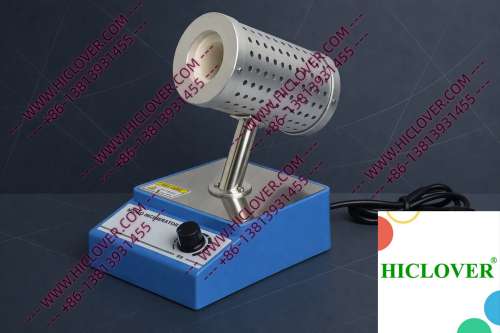
At the heart of the Micro Incinerator’s efficiency is its infrared heating technology. This device employs a ceramic heating chamber that utilizes infrared radiation to achieve high temperatures quickly and effectively. Unlike traditional flame-based sterilizers—such as alcohol lamps and Bunsen burners—the Micro Incinerator minimizes the risk of open flames, making it an ideal choice for sterile environments.
Within the device’s enclosed ceramic tube, the temperature can reach up to 850°C in mere seconds. This rapid thermal sterilization ensures that microorganisms, including bacteria, viruses, and spores, are effectively eliminated. Furthermore, the design of the Micro Incinerator allows for aerosol-free handling, mitigating the release of potentially harmful particles into the lab atmosphere.
Applications of Micro Incinerators in Laboratory Settings
The versatility of the Micro Incinerator makes it suitable for various laboratory applications:
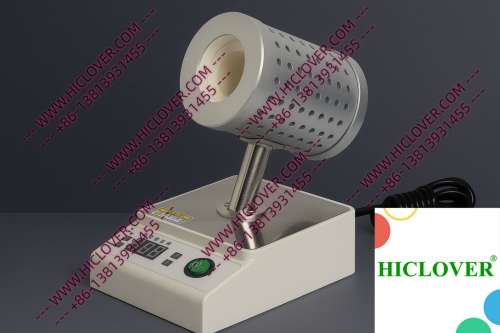
- Biosafety Cabinets: The Micro Incinerator can be utilized in BSL-2 and BSL-3 microbiology labs, where maintaining a sterile environment is crucial. Its clean-bench-safe design ensures that sterilization occurs without compromising the sterile field.
- Field Testing: In mobile laboratories used for field testing, this compact device proves essential. Its lightweight and portable nature allows for on-site sterilization of inoculating loops and other tools, reducing the risk of contamination during sample collection.
- University Teaching Labs: With an emphasis on compliance and safety, universities can incorporate the Micro Incinerator into their teaching labs. This provides students with hands-on experience in modern sterilization techniques without the risks associated with traditional flame sterilizers.
Compliance and Environmental Considerations
As laboratory environments strive for excellence in biosafety, adherence to international standards is non-negotiable. The World Health Organization (WHO) outlines strict biosafety guidelines to mitigate risks associated with laboratory operations. The Micro Incinerator aligns with these standards by providing an innovative, flame-free method of sterilization, ensuring that laboratories can maintain compliance without compromising on safety.
Additionally, traditional flame sterilizers often emit harmful gases and particulates, contributing to an unsafe lab environment. The Micro Incinerator, by contrast, eliminates such concerns, offering a sustainable approach to lab sterilization that aligns with contemporary environmental standards.
Micro Incinerator vs. Traditional Flame Burners
| Features | Micro Incinerator | Flame Burners |
|---|---|---|
| Temperature Control | Rapidly adjustable, up to 850°C | Variable; less precise |
| Sterilization Speed | Instant | Slower, depending on flame adjustment |
| Aerosol-Free | Yes | No |
| Flame Risk | Minimal | High |
| Environmental Impact | Reduced emissions | Higher due to combustion |
FAQs about the Micro Incinerator
- What makes the Micro Incinerator a safer option in labs?
The Micro Incinerator eliminates the risk associated with open flames while providing quick and effective sterilization. - Can the Micro Incinerator be used in field settings?
Yes, its portable design allows for on-site sterilization during field tests, enhancing safety and contamination control. - How does the Micro Incinerator comply with WHO guidelines?
It adheres to biosafety standards by providing a flame-free sterilization method that reduces aerosol production in labs. - Is the Micro Incinerator suitable for all laboratory types?
It is ideal for BSL-2 and BSL-3 labs, teaching laboratories, and even mobile testing units. - What are the main advantages of infrared sterilization compared to traditional methods?
Infrared sterilization offers rapid heating, precise temperature control, and a safer operational environment due to the absence of flames.
Conclusion: Elevate Your Laboratory Standards Today
The introduction of the Micro Incinerator at Tucson Hospital represents a significant leap in laboratory waste management and sterilization technology. Offering rapid thermal sterilization and uncompromised safety, it stands as a transformative tool across multiple fields—from clinical diagnostics to teaching laboratories.
By adopting this innovative solution, laboratories can enhance sterilization workflows while ensuring compliance with the highest biosafety standards. For procurement and inquiries regarding the Micro Incinerator, please feel free to contact us. Embrace the future of laboratory sterilization today!
Categories:
Tags: