
In the dynamic realm of laboratory work, maintaining stringent biosafety protocols remains a critical challenge. As laboratories, especially in Malaysia, strive for effective waste disposal and contamination control, micro incinerators are emerging as a revolutionary solution. These compact devices not only facilitate the disposal of biological waste but also play a vital role in laboratory sterilization workflows.
The Rise of Micro Incinerators in Malaysian Laboratories
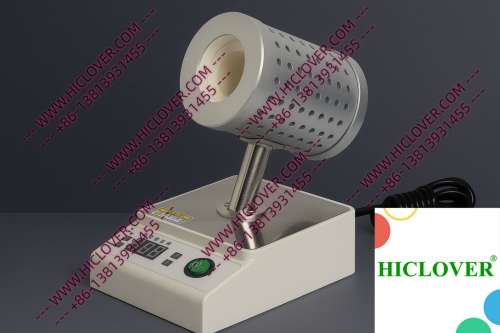
Traditionally, laboratories have relied on flame sterilizers like alcohol lamps and Bunsen burners for rapid thermal sterilization. However, the safety concerns associated with open flames in clean environments have prompted the need for alternative solutions. Enter the micro incinerator—specifically the Micro Incinerator / Infrared Inoculating Loop Sterilizer, designed to meet the demands of modern-day microbial sterilization while prioritizing safety and efficiency.
Technical Principles of Micro Incinerators
Micro incinerators operate on the principle of infrared heat generation, utilizing a carefully enclosed ceramic tube that radiates high temperatures. This innovative design allows for:
- Targeted heating, minimizing risks of cross-contamination
- Rapid warm-up times, enhancing workflow efficiency
- Aerosol-free handling, making it suitable for BSL-2 and BSL-3 microbiology labs
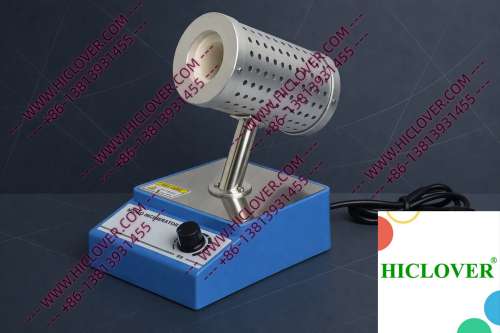
Unlike traditional methods, the absence of an open flame not only reduces fire hazards but also ensures that clean-bench environments remain uncontaminated. The high thermal capacity of the ceramic heating chamber makes it an ideal piece of equipment for sterilizing inoculation loops, forceps, and other tools in a variety of laboratory settings.
Application Scenarios in Laboratories
1. Teaching Labs in Malaysian Universities
In educational institutions, such as the University of Malaya, teaching labs frequently utilize micro incinerators due to their safety features and ease of use. Students can safely sterilize tools while learning about microbial protocols without the risks associated with flame-based methods. The infrared sterilization provides rapid results, allowing instructors to focus more on teaching rather than managing safety concerns.
2. Field Testing in Pharmaceutical Research
Field testing occurs in various environments, including remote locations where traditional waste disposal methods are impractical. Micro incinerators serve as portable, reliable sterilization tools for field researchers. When conducting microbiological surveys, these devices help in maintaining the integrity of samples while ensuring that contaminated materials are disposed of safely and efficiently, leaving no trace of biological material behind.
Compliance with Biosafety Standards
Adherence to regulatory and biosafety standards is paramount in laboratory operations. The World Health Organization (WHO) emphasizes safe handling of microbiological materials, advocating against the use of open flames in clean rooms. Here’s how micro incinerators align with these compliance requirements:
Micro incinerators meet international sterilization standards, effectively reducing contamination risks, protecting user health, and ensuring compliance with laboratory regulations.
With regulatory bodies pushing for high biosafety standards, the integration of micro incinerators into new installations or existing workflows becomes not only an operational enhancement but a compliance necessity.
Comparative Analysis: Micro Incinerator vs. Traditional Flame Sterilizers
| Feature | Micro Incinerator | Flame Sterilizers |
|---|---|---|
| Heating Method | Infrared | Open Flame |
| Safety | High – No open flames | Medium – Fire hazards present |
| Contamination Control | Excellent – Aerosol-free | Variable – Aerosols possible |
| Usability | Easy, quick setup | Requires skill to use |
| Application Areas | BSL-2/3, teaching labs | General laboratory use |
Frequently Asked Questions
1. What is the main advantage of using a micro incinerator over a Bunsen burner?
The primary advantage is safety; micro incinerators eliminate the risk of open flames, thus reducing the chance of accidents and maintaining a sterile environment.
2. Can micro incinerators be used for general waste disposal?
While they are primarily designed for sterilizing lab tools, they can also be used to dispose of certain biological waste safely.
3. How long does it take for a micro incinerator to heat up?
The warm-up time is rapid, typically within seconds, allowing for efficient workflow.
4. Are micro incinerators compliant with WHO biosafety standards?
Yes, they align with WHO and other regulatory standards, providing a safe solution for sterilization in various laboratory settings.
5. Where can I purchase a micro incinerator in Malaysia?
Micro incinerators are available through various laboratory supply distributors across Malaysia. Contact local suppliers or check specialized online marketplaces for options.
Conclusion
In an era where waste disposal and laboratory safety are paramount, micro incinerators stand out as a best-in-class solution. Their efficiency in sterilization processes, compliance with biosafety regulations, and ease of use make them an invaluable addition to laboratories across Malaysia. To learn more about integrating a Micro Incinerator / Infrared Inoculating Loop Sterilizer into your laboratory operations, do not hesitate to reach out for further information or purchase opportunities.
Categories:
Tags: