
In the rapidly evolving landscape of laboratory practices, particularly in regions like Peru, the challenges of biosafety are becoming increasingly pronounced. Clinics and research facilities are grappling with how to efficiently manage sterilization processes amidst a backdrop of concern for contamination control and environmental sustainability. The introduction of micro incinerators, specifically the Infrared Inoculating Loop Sterilizer, has offered a remarkable solution that not only meets laboratory sterilization demands but also aligns with stringent biosafety standards.
Understanding Micro Incinerators: Technical Principles
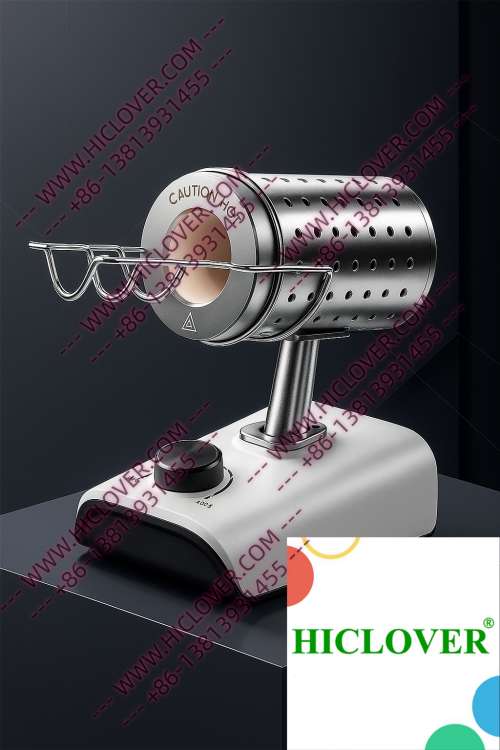
The core technology behind micro incinerators lies in rapid thermal sterilization. The Infrared Inoculating Loop Sterilizer employs infrared heat generated from a compact heating element locating inside a robust ceramic chamber. This enclosed ceramic tube allows for high-temperature disinfection while maximizing efficiency and safety. Unlike traditional flame methods such as alcohol lamps or Bunsen burners, which can pose fire hazards and contamination risks, micro incinerators offer a clean, flame-free environment for sterilization.
Key Features of Infrared Inoculating Loop Sterilizers
- Rapid thermal response: Heats up in seconds, allowing quick preparation for sterilization.
- Compact design: Easily fits within biosafety cabinets, enhancing lab space optimization.
- Clean-bench-safe: Operates without flames, maintaining sterile conditions.
- Energy-efficient: Reduces power consumption compared to traditional sterilizing methods.
- Aerosol-free handling: Minimizes aerosol production, reducing contamination risk.
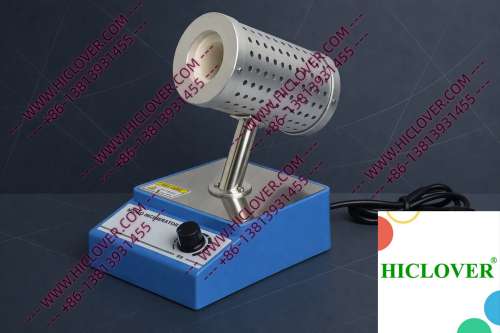
Application Scenarios in Real Labs
The versatility of micro incinerators can be illustrated through two specific application scenarios in laboratory environments.
1. University Teaching Labs
In many universities across Peru, teaching laboratories are continually seeking ways to balance pedagogy with effective biosafety protocols. The Infrared Inoculating Loop Sterilizer is particularly valuable in microbiology courses where students perform culture techniques. Students can quickly sterilize inoculating loops without the risk of setting a flame, allowing for a more focus on learning as they manage cultures.
2. Clinical Diagnostics and Field Testing
In clinical settings and field testing scenarios, proper sterilization is non-negotiable. Medical professionals operating in BSL-2 environments wrestling with sterilization of tools on-site can benefit immensely from micro incinerators. They provide a portable solution for aseptic techniques, crucial for preventing contamination when handling potentially infectious materials.
Compliance and Environmental Impact
The integration of micro incinerators in labs is not only about operational efficiency; it is also pivotal in adhering to global standards for biosafety. According to the World Health Organization (WHO) guidelines, laboratories must ensure rigorous sterilization procedures to protect both personnel and the public. Compliance with lab sterilization standards is essential, particularly where no open flame methods are permitted in cleanroom environments.
Infrared micro incinerators fulfill these requirements effectively. Their compact design and flame-free operation allow them to be used in clean environments without introducing additional contaminants, making them preferable to traditional flame burners.
Comparative Analysis: Micro Incinerator vs. Traditional Flame Burners
| Feature | Micro Incinerator | Traditional Flame Burner |
|---|---|---|
| Time to Heat | Seconds | Minutes |
| Safety | Flame-free | Open flame hazards |
| Temperature Control | Precise | Variable |
| Energy Efficiency | High | Medium |
| Aerosol Contamination | Minimal | High |
FAQs about Micro Incinerators
What is a micro incinerator?
A micro incinerator is a compact sterilization device that uses infrared heat for the rapid sterilization of laboratory tools without an open flame.
How does an Infrared Inoculating Loop Sterilizer work?
It utilizes an enclosed heating chamber made of ceramic materials to generate high temperatures through infrared energy, effectively sterilizing loops and other small instruments quickly.
Are micro incinerators safe for use in moving laboratories?
Yes, the portable nature of micro incinerators allows for their safe use in field testing scenarios, minimizing contamination risks and maximizing efficiency.
What are the environmental benefits of using micro incinerators?
Micro incinerators reduce the need for alcohol or other sterilizing agents, lowering overall waste generation and preventing harmful aerosols from entering the environment.
How do micro incinerators compare to traditional sterilization methods?
They offer faster heating, enhanced safety, better energy efficiency, and reduced contamination risk within laboratory settings compared to traditional flame-based methods.
Conclusion
The rise of micro incinerators, especially the Infrared Inoculating Loop Sterilizer, represents a significant advancement in laboratory sterilization technology. Their ability to meet operational demands while adhering to crucial biosafety guidelines makes them an indispensable asset for laboratories across Peru and beyond. As the laboratory community continues to embrace innovation, now is the perfect time to consider integrating micro incinerators into your sterilization workflow. Reach out today to explore your options and enhance your laboratory’s safety and efficiency!
Categories:
Tags: