
In the realm of laboratory biosafety, ensuring that sterilization processes are both efficient and safe is a paramount challenge faced by researchers and lab technicians. As urban centers like Delhi expand, the need for innovative solutions to manage biohazard waste sustainably has become increasingly urgent. Enter the Micro Incinerator, a cutting-edge piece of laboratory sterilization equipment that addresses both workflow demands and environmental concerns with precision.
The Challenges of Laboratory Biosafety
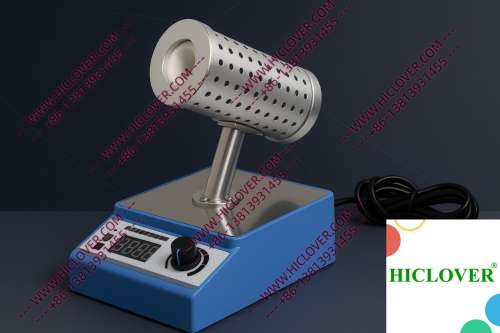
Every laboratory operates under strict biosafety regulations, particularly those handling pathogens and hazardous materials. With the constant threat of contamination, traditional sterilization methods such as alcohol lamps and Bunsen burners are often inadequate. They can create aerosols, pose fire hazards, and are not suitable for clean-room environments. This is where the Micro Incinerator truly shines.
Technical Principles Behind Micro Incinerators
The Micro Incinerator operates using advanced infrared sterilization technology. By utilizing a high-temperature ceramic heating chamber, it can achieve rapid thermal sterilization without the open flame associated with traditional methods. The enclosed ceramic tube ensures that heat is uniformly distributed, significantly enhancing the sterilization efficacy of inoculating loops and other lab tools. Removing the fire source also mitigates risks associated with ignition in sensitive laboratory setups.
Configurations and Variations
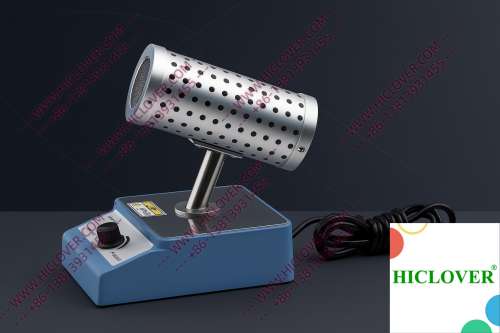
Micro Incinerators come equipped with various features that differentiate them from conventional sterilization methods. Some units may include adjustable temperature settings, user-friendly control panels, and even portable configurations for fieldwork. Their sleek designs make them compatible with various laboratory environments, including BSL-2 and BSL-3 facilities.
Application Scenarios in Real Labs
The versatility of Micro Incinerators opens up a wide range of applications in different laboratory settings:
- Biosafety Cabinets: In BSL-2 and BSL-3 microbiological labs, Micro Incinerators provide a clean and safe way to sterilize tools while minimizing contamination risks. They fit seamlessly within biosafety cabinets, allowing for safe handling of sensitive materials.
- Field Testing Laboratories: In regions like Delhi, mobile testing labs benefit immensely from the portability of Micro Incinerators. They enable rapid decontamination of sampling instruments in situ, thereby streamlining workflow and reducing delays in testing results.
Compliance and Environmental Considerations
Adhering to biosafety guidelines is essential for laboratories worldwide. The World Health Organization (WHO) and various national standards emphasize the importance of sterilization methods that do not produce aerosols, especially in cleanroom settings. The Micro Incinerator stands out because it complies with these strict biosafety standards while also reducing environmental impact.
Eliminating the use of flame-based sterilizers not only enhances safety but also conserves energy and minimizes hazardous waste. Transitioning to Micro Incinerators supports eco-friendly laboratory practices, aligning with global sustainability efforts.
Comparison: Micro Incinerators vs. Flame Sterilizers
| Feature | Micro Incinerator | Flame Sterilizers |
|---|---|---|
| Flame Source | No Flame | Open Flame |
| Aerosol Production | Aerosol-Free | Yes |
| Temperature Control | Adjustable | Fixed |
| Portability | Highly Portable | Limited Portability |
| Compliance Standards | Meets WHO Guidelines | Not Always Compliant |
FAQs About Micro Incinerators
1. What is the primary function of a Micro Incinerator?
The primary function is to rapidly sterilize laboratory instruments and materials through high-temperature infrared heat, ensuring effective contamination control.
2. How does it differ from traditional sterilization methods?
Micro Incinerators do not use an open flame, minimizing aerosol generation and contamination risks, which is a common problem with traditional methods like Bunsen burners.
3. Are Micro Incinerators economical for use in labs?
Yes, their efficiency and compliance with biosafety regulations can lead to cost savings in waste management and improve workflow in laboratories.
4. Can they be used in clean room environments?
Absolutely, Micro Incinerators are designed for cleanroom applications, making them ideal for sensitive laboratory settings.
5. Where can I purchase a Micro Incinerator?
You can contact laboratory supply distributors or manufacturers specializing in sterilization equipment to inquire about purchasing options.
Conclusion
As Delhi and other urban regions face increasing challenges in waste management and laboratory sterilization, the adoption of Micro Incinerators represents a pivotal shift toward safer and more sustainable practices. Their superiority over traditional flame sterilizers not only enhances laboratory safety but also aligns with global biosafety standards. For organizations looking to enhance their laboratory operations, investing in a Micro Incinerator could be the key to achieving efficiency and compliance while ensuring safety.
To explore your options and make a purchase that aligns with your laboratory’s needs, contact us today!
Categories:
Tags: