
Laboratories face increasing challenges in maintaining biosafety while ensuring effective sterilization workflows. As the complexity of laboratory work grows, so does the need for reliable sterilization equipment that minimizes contamination risks and complies with stringent safety regulations. Enter the Micro Incinerator, a cutting-edge solution that merges energy efficiency with high-performance sterilization capabilities through infrared technology.
The Technical Principles Behind Micro Incinerators
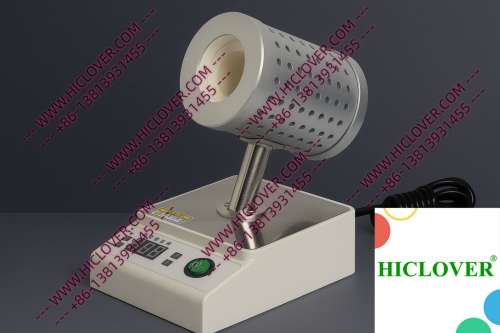
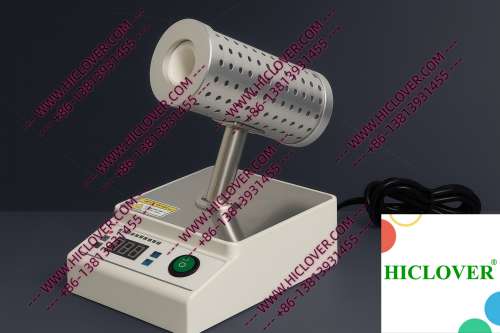
At the heart of the Micro Incinerator is a sophisticated design that leverages infrared heating within an enclosed ceramic tube. This innovative heating method ensures rapid thermal sterilization, effectively eliminating pathogens while being environmentally friendly. Infrared high-temperature disinfection generates temperatures that can reach up to 900°C, making it an ideal choice for efficient sterilization. Unlike traditional flame sterilizers, the Micro Incinerator significantly reduces the risk of aerosol generation, providing a clean-bench-safe environment for laboratory professionals.
- Enclosed Ceramic Heating Chamber: Prevents external contamination and improves sterilization efficiency.
- Infrared Technology: Promotes rapid thermal sterilization with reduced energy consumption.
- Compact Design: Easily fits in limited laboratory spaces.
Applications in Real Laboratories
The versatility of Micro Incinerators makes them an invaluable asset in various laboratory settings. Here are two compelling application scenarios:
Biosafety Cabinets
In BSL-2 and BSL-3 microbiology labs, maintaining a contamination-free environment is paramount. Micro Incinerators can be seamlessly integrated into biosafety cabinets, providing a safe method for sterilizing inoculating loops, needles, and other instruments. This integration allows researchers to conduct experiments with maximum biosafety, decreasing the risk of escape of viable pathogens while reducing the background noise of flame-based sterilizers.
Field Testing Labs
In settings like mobile or field testing labs, where standard sterilization solutions may not be feasible, Micro Incinerators offer unmatched portability and efficiency. These devices ensure biohazardous materials are safely incinerated on-site, mitigating the logistical challenges associated with waste disposal. Their compact design allows for easy transport without compromising functionality, making them ideal for university field studies or clinical diagnostics in remote locations.
Compliance with Biosafety Standards
When it comes to laboratory sterilization, compliance with international biosafety and sterilization standards is non-negotiable. The World Health Organization (WHO) and other regulatory bodies have outlined rigorous protocols to ensure safe laboratory practices. Micro Incinerators align closely with these requirements, offering clean operations with no flames, which is crucial for maintaining sterile conditions in environments like CO₂ incubators or anaerobic chambers. Their usage is especially noted in teaching labs, where safe practices must be instilled in the next generation of scientists.
“Utilizing Micro Incinerators not only supports compliance with WHO biosafety standards but also enhances overall laboratory productivity.” – Laboratory Safety Expert
Advantages Over Traditional Flame Sterilizers
Micro Incinerators surpass traditional alcohol lamps and Bunsen burners in various ways. Below is a comparison table highlighting the advantages:
| Feature | Micro Incinerator | Flame Sterilizers |
|---|---|---|
| Safety | No flames, aerosol-free handling | Open flame, potential aerosol generation |
| Efficiency | Rapid thermal sterilization | Slower, less consistent |
| Portability | Compact and lightweight | More cumbersome and dangerous |
| Energy Consumption | Lower energy use | Higher energy waste |
Frequently Asked Questions
- How does the Micro Incinerator improve sterilization efficiency?
By utilizing infrared technology, it provides rapid heating, which ensures quick and consistent sterilization of laboratory tools. - Can Micro Incinerators be used in all laboratory environments?
Yes, they are designed to meet the biosafety requirements of various laboratory settings, including BSL-2 and BSL-3 labs. - What safety measures should I consider when using a Micro Incinerator?
Ensure that it is operated in an appropriate environment, such as a biosafety cabinet, and follow manufacturer safety guidelines to maintain compliance. - Is the Micro Incinerator energy efficient?
Absolutely; it requires significantly less energy compared to flame-based methods due to its direct heating capabilities. - How does it comply with environmental regulations?
By incinerating waste on-site using high temperatures, it reduces the need for additional waste disposal logistics and minimizes the environmental impact.
Conclusion: The Future is Here
The transition from traditional sterilization methods to innovative solutions like Micro Incinerators signifies a pivotal shift in laboratory safety and efficiency. By investing in such technology, laboratories can ensure compliance with biosafety standards while optimizing workflows and protecting staff health. For distributors, hospitals, and research centers seeking cutting-edge sterilization equipment, consider the Micro Incinerator as a viable solution that enhances laboratory operations. Contact us today to learn more about how our products can elevate your laboratory’s performance.
Categories:
Tags: