
As laboratory environments evolve, the need for effective biosafety solutions becomes paramount. Laboratory personnel face numerous challenges in managing contamination control and ensuring that sterilization processes meet stringent standards. The advent of micro incinerators, particularly the Infrared Inoculating Loop Sterilizer, addresses these demands through advanced thermal sterilization technology.
Understanding the Technical Principles
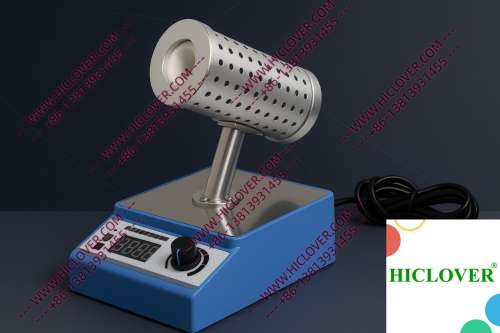
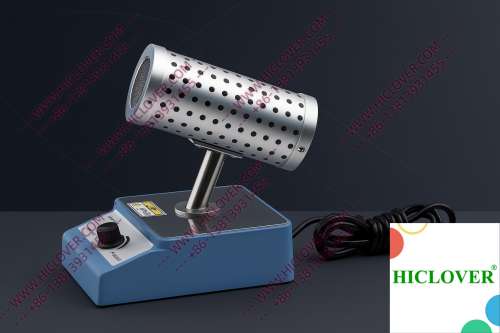
The Micro Incinerator employs infrared heat in an enclosed ceramic tube to achieve rapid thermal sterilization. Unlike traditional flame sterilizers like alcohol lamps and Bunsen burners, it provides a clean and safe environment for sterilization. The infrared high-temperature disinfection process effectively eliminates microorganisms without the risk of open flames, making it ideal for use in clean rooms and high biosafety laboratories.
Advantages of Micro Incinerators
- Rapid thermal sterilization that ensures effective microbial eradication.
- Aerosol-free handling minimizes the risk of contamination during the sterilization process.
- The enclosed design promotes enhanced safety and reduces operating costs.
- Compatible with various lab environments, including BSL-2 and BSL-3 labs.
- Environmentally friendly alternative that helps convert waste into energy.
Application Scenarios in Real Labs
1. University Teaching Laboratories
In university teaching labs, where students regularly employ inoculating loops to transfer microorganisms, the Micro Incinerator plays a crucial role. Instructors emphasize the importance of biosafety, and the infrared sterilizer serves as an efficient teaching aid for students to understand sterilization techniques. The quick heating capability allows for rapid workflow without the risks associated with traditional flame sterilizers.
2. Field Testing Laboratories
For mobile or field testing labs, where laboratory conditions can be less than sterile, the Micro Incinerator shines by providing reliable sterilization on-site. Researchers can confidently process microbial samples without the need for bulky equipment. Its compact design and energy efficiency allow for effective waste management and energy conversion, further enhancing its appeal for environmental sustainability.
Compliance with International Standards
Meeting compliance standards is critical for laboratory operations. The World Health Organization (WHO) has established biosafety guidelines that suggest the use of flameless sterilization techniques in clean environments. The Micro Incinerator aligns perfectly with these standards, ensuring that all sterilization procedures adhere to laboratory biosafety protocols.
Biosafety Compliance Reference
In Turkey, where the emphasis on laboratory safety has intensified, laboratories are increasingly adopting solutions that adhere to national and international biosafety standards. The Micro Incinerator not only satisfies WHO guidelines but also integrates well with other sterilization methods, ensuring comprehensive safety solutions. Its application helps to maintain the integrity of cleanbench areas by eliminating any flame hazards.
Comparing Micro Incinerators to Flame Sterilizers
| Feature | Micro Incinerator | Flame Sterilizers |
|---|---|---|
| Safety | Flameless operation, reduces fire hazards | Open flame, risk of burns and fires |
| Efficiency | Rapid thermal sterilization | Slower to heat and cool |
| Contamination Control | Aerosol-free handling | Potential for aerosol and fume production |
| Environmental Impact | Energy-efficient, waste-to-energy capability | Generally inefficient in waste management |
FAQs
1. What is the principle behind the Micro Incinerator?
The Micro Incinerator utilizes infrared technology to produce high temperatures swiftly within an enclosed ceramic tube, effectively sterilizing inoculating loops without open flames.
2. How does this equipment improve workflow in labs?
The Micro Incinerator enhances workflow by allowing for quick sterilization in busy laboratory settings, minimizing downtime during sample transfers and reducing contamination risks.
3. Is the Micro Incinerator suitable for BSL-2 and BSL-3 labs?
Yes, the Micro Incinerator meets the safety requirements necessary for use in BSL-2 and BSL-3 laboratories, where stringent contamination control is essential.
4. Can the Micro Incinerator help with waste management?
Absolutely. This device effectively converts waste into energy, aligning with sustainable practices and reducing overall laboratory waste.
5. How does the Micro Incinerator comply with WHO standards?
The Micro Incinerator aligns with WHO standards by providing a safe, efficient, and clean method for sterilization that minimizes environmental impact and upholds biosafety protocols.
Conclusion
The Micro Incinerator represents a significant advancement in laboratory sterilization technology, particularly in the context of waste management and energy conversion. As Turkey embraces this innovative equipment, laboratories can achieve greater efficiency and safety in waste handling. For distributors, hospitals, universities, and research centers looking to enhance their sterilization capabilities, consider investing in a Micro Incinerator. For inquiries or to explore purchasing options, please contact us today.
Categories:
Tags: