
In modern laboratory settings, the challenges of biosafety and effective sterilization have grown increasingly complex. Pathogen containment, contamination control, and streamlined workflows are crucial for laboratories, especially in settings like BSL-2 or BSL-3 microbiology labs, where safety is paramount. The need for efficient sterilization equipment has never been more pressing, leading to the rise of innovative solutions such as electric micro incinerators, specifically the Micro Incinerator or Infrared Inoculating Loop Sterilizer.
Technical Principles of Micro Incinerators
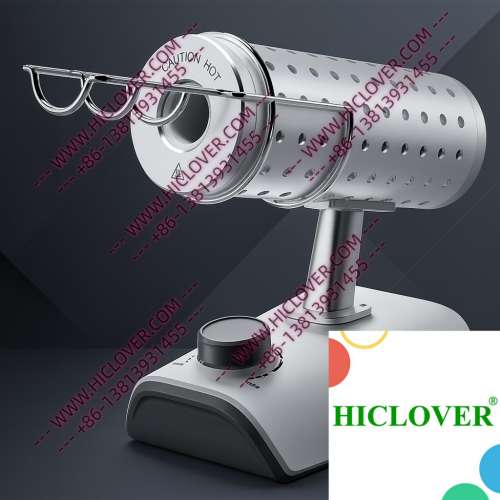
The Micro Incinerator operates on the principle of rapid thermal sterilization using infrared heat. This high-temperature disinfection process is achieved through an enclosed ceramic heating chamber that emits direct infrared radiation. Unlike traditional flame sterilizers, which come with the risks associated with open flames, micro incinerators provide a clean and safe method to achieve sterile conditions. Their design allows for aerosol-free handling, making them suitable for use in biosafety cabinets and other protected environments.
Key Features of Micro Incinerators
- Rapid Thermal Sterilization: Quickly heats up to achieve sterilization in seconds.
- Compact and Portable: Ideal for both fixed laboratory setups and field testing.
- Safety Focused: No open flames, reducing risks in clean rooms and crowded settings.
- Durability: Made from high-quality materials to withstand the rigors of lab environments.
- Temperature Control: Adjustable settings for various sterilization needs.
- What are the advantages of using a Micro Incinerator over traditional flame sterilizers?
Micro Incinerators are safer, more efficient, and environmentally friendly. They reduce the risk of contamination and fire hazards while providing rapid sterilization.
- Can Micro Incinerators be used in field testing?
Yes, their compact and portable design makes them ideal for use in mobile or field testing laboratories.
- Are Micro Incinerators compliant with international biosafety regulations?
Absolutely! They adhere to WHO guidelines and other international biosafety standards, making them suitable for use in sensitive lab environments.
- How do I maintain a Micro Incinerator?
Regular maintenance includes checking the heating element, cleaning the ceramic chamber, and ensuring electrical connections are secure.
- Who can benefit from using Micro Incinerators?
Laboratory supply distributors, hospitals, universities, and research centers can all benefit from the efficiency and safety of Micro Incinerators.
Applications in Real Labs
Micro incinerators have found application across various laboratory environments, further emphasizing their versatility:
1. Biosafety Cabinets
In BSL-2 and BSL-3 laboratories, maintaining sterile conditions is critical. Micro incinerators can be placed within biosafety cabinets to sterilize inoculating loops, needles, and other equipment without disrupting the sterile airflow. These devices effectively minimize the risk of contamination while ensuring that laboratory personnel remain safe.
2. Teaching Labs
In university laboratories, where educational objectives meet practical safety needs, the Micro Incinerator serves as a valuable teaching tool. Students can learn about microbial techniques while using a sterilization method that promotes best practices in contamination control. The rapid sterilization capabilities of micro incinerators ensure that teaching labs maintain high safety standards without sacrificing educational integrity.
Compliance and Environmental Standards
Adhering to stringent sterilization standards is crucial for laboratories operating in sensitive environments. The World Health Organization (WHO) provides guidelines on biosafety, which emphasize the importance of effective sterilization practices in laboratories. More so, established standards outline that flame sterilizers are often inappropriate for clean rooms due to the risk of particulate generation and pyrolysis of organic materials.
This is where electric micro incinerators shine, as they provide a compliant, flame-free solution that meets the required sterilization standards. Moreover, its use contributes to sustainable waste management practices by turning waste into ash, minimizing disposal concerns.
Micro Incinerator vs Traditional Flame Sterilizers
| Feature | Micro Incinerator | Flame Sterilizer |
|---|---|---|
| Heat Source | Infrared | Open Flame |
| Safety | Flame-free | Fire hazard |
| Speed of Sterilization | Seconds | Varies |
| Portability | Compact | Less portable |
| Environmental Impact | Minimal | Higher emissions |
FAQs: Understanding Micro Incinerators
Conclusion
As laboratories face increasing demands for biosafety, the Micro Incinerator emerges as a solution that not only supports effective sterilization workflows but also promotes sustainable waste management practices. Its rapid thermal sterilization capabilities, combined with a commitment to safety, deliver a compelling alternative to traditional flame sterilizers.
Whether you’re part of a university, research center, or health institution looking to enhance your sterilization processes, investing in a Micro Incinerator provides both peace of mind and compliance with stringent biosafety standards. Contact us today to learn more about our products and take the first step toward a safer, more efficient laboratory environment.
Categories:
Tags: