
In an era where laboratory biosafety and contamination control are paramount, many institutions are facing challenges related to traditional sterilization methods. Alcohol lamps and Bunsen burners have long been the go-to tools for sterilizing inoculating loops; however, they introduce risks associated with open flames, chemical exposure, and aerosol generation. Enter the Micro Incinerator or Infrared Inoculating Loop Sterilizer—a revolutionary solution that meets modern laboratory demands for efficiency while maintaining strict biosafety standards.
The Technical Principle Behind Flame-Free Sterilization
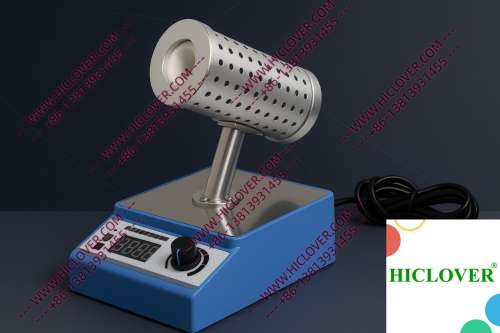
The Micro Incinerator employs infrared heat emitted from an enclosed ceramic heating chamber. Unlike traditional methods, this infrared technology rapidly achieves high temperatures without flames, providing a clean and efficient means of sterilization. The design not only promotes safety in the laboratory environment, free from the risk of fire or explosion but also enhances the sterilization workflow by enabling quick and effective disinfection of inoculating loops and other instruments.
Key Features of the Micro Incinerator
- Flame-Free Operation: Eliminates the risks associated with open flames in sensitive laboratory environments.
- Rapid Thermal Sterilization: Achieves high-temperature disinfection quickly, reducing wait times for laboratory staff.
- Aerosol-Free Handling: Prevents contamination that could compromise research results.
- Compact Design: Fits into various laboratory configurations, from teaching labs to BSL-2 / BSL-3 microbiology labs.
- Easy Maintenance: Simple cleaning process that maintains optimal performance.
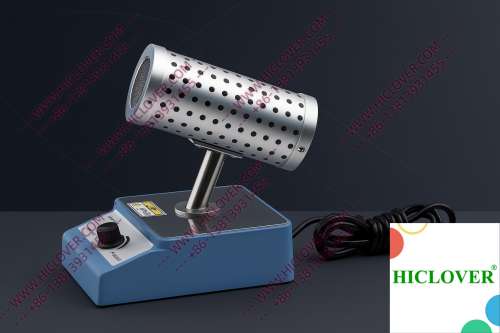
Real-World Applications of Micro Incinerators
Micro Incinerators are being utilized in various laboratory environments, showing versatility and adaptability that traditional flame sterilizers cannot match.
Application Scenario 1: Biosafety Cabinets
In BSL-2 and BSL-3 microbiology labs, the Micro Incinerator provides a safe sterilization method right within biosafety cabinets. When working with pathogenic microorganisms, the risk of contamination must be minimized. The flame-free sterilizer allows technicians to quickly sterilize loops while maintaining the sterile environment inside the cabinet, ensuring researchers can confidently handle microbial samples.
Application Scenario 2: University Teaching Labs
In academic settings, the use of Micro Incinerators is transforming how biology and microbiology labs conduct experiments. Instructors can demonstrate sterilization techniques without the hazards associated with flames. Moreover, teaching assistants can streamline the sterilization process for countless student experiments, often occurring in spaces where both safety and efficiency are critical.
Compliance with Biosafety Standards
Adherence to international biosafety standards is essential for laboratories worldwide. Organizations such as the World Health Organization (WHO) lay down guidelines that emphasize the elimination of flame-based sterilization methods in clean rooms due to potential contamination. Additionally, lab sterilization equipment must meet specific compliance requirements to ensure safe operation and minimize risks.
Flame Sterilizers vs. Micro Incinerators: A Compliance Perspective
| Feature | Micro Incinerator | Flame Sterilizers |
|---|---|---|
| Biosafety Compliance | Meets WHO and CDC Lab Standards | Limited compliance; introduces risk |
| Ease of Use | Compact, quick to operate | Requires more manual intervention |
| Risk of Contamination | Low, due to flame-free operation | High, due to aerosols and flame exposure |
Frequently Asked Questions
What materials can be safely sterilized using the Micro Incinerator?
The Micro Incinerator is ideal for sterilizing metal inoculating loops, needles, and other laboratory tools that can withstand high temperatures.
How does the Micro Incinerator improve the workflow in labs?
By rapidly achieving high temperatures and eliminating the need for flame management, it allows technicians to complete sterilization processes more quickly, thus improving overall lab efficiency.
Is the Micro Incinerator suitable for field testing applications?
Yes, its compact design and lightweight configuration make it suitable for mobile labs, field testing, and remote research locations.
Does the Micro Incinerator require special training for use?
No special training is required; however, basic laboratory safety training is recommended to ensure optimal safety and efficacy.
What are the energy requirements for operating a Micro Incinerator?
The energy consumption is minimal compared to traditional flame sterilizers, making it an eco-friendly choice for modern laboratories.
Conclusion
As the call for more efficient and safe laboratory practices grows louder, the Micro Incinerator stands as a superior alternative to traditional flame sterilizers. With its cutting-edge design, adherence to biosafety standards, and significant advantages in workflow efficiency and safety, it’s time for laboratories, teaching institutions, and research centers to consider integrating this innovative sterilization technology. For inquiries about purchasing or further information, don’t hesitate to contact us today—transform your lab’s sterilization processes with flame-free technology.
Categories:
Tags: