
In today’s fast-paced laboratory environments, effective sterilization methods are crucial for ensuring contamination control and maintaining a safe working atmosphere. Whether you are dealing with a BSL-2 microbiology lab that handles pathogens or providing educational training in a university teaching lab, the demand for reliable sterilization equipment has never been higher. Traditional methods, such as Bunsen burners and alcohol lamps, while effective, present challenges such as flame management, aerosol generation, and increased risk for contamination. Enter the micro incinerator, specifically the infrared inoculating loop sterilizer—an innovative solution that meets the stringent needs of modern laboratories.
How Infrared Inoculating Loop Sterilizers Work
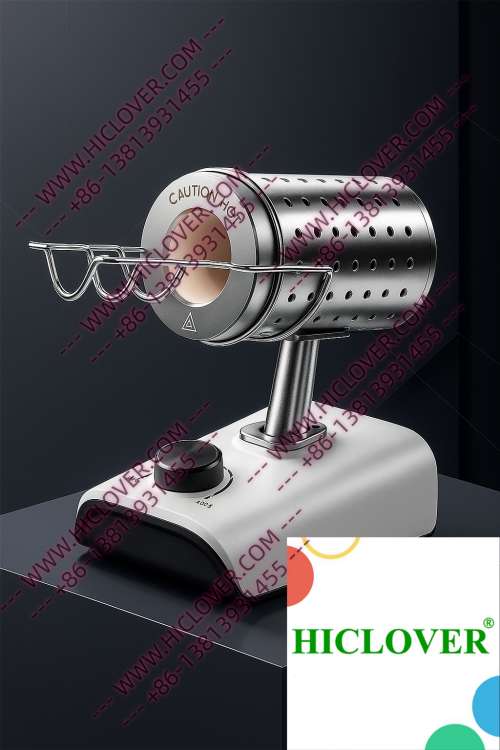
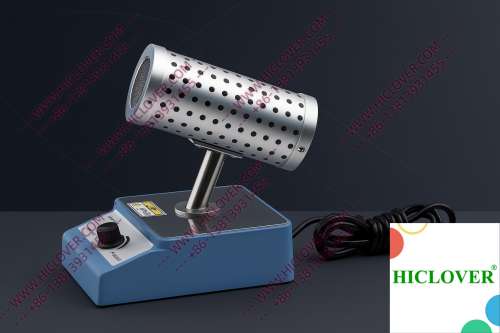
The key function of a micro incinerator is rapid thermal sterilization achieved through advanced infrared technology. These devices often feature a compact design with an enclosed ceramic heating chamber that generates high temperatures (up to 850°C or 1562°F) to instantly sterilize inoculating loops and other tools without producing harmful aerosols.
Infrared heaters heat the ceramic tube quickly, ensuring that the sterilization process is not only efficient but also safe for use in biosafety cabinets where open flames are prohibited. This design minimizes risk while promoting a clean-bench-safe workflow, vital in sensitive testing environments.
Advantages of Micro Incinerators Over Traditional Flame Sterilizers
| Feature | Micro Incinerator | Flame Burners |
|---|---|---|
| Safety | Minimal risk of burns; no open flame | Open flame risk; potential for burns |
| Speed | Instant heating; quick sterilization | Requires ignition and cooling |
| Contamination Control | Aerosol-free handling | Generates aerosols and debris |
| Maintenance | Low; durable materials | Requires regular cleaning and fuel management |
Applications in Laboratory Settings
- Biosafety Cabinets: In BSL-2 and BSL-3 labs, where secure handling of pathogens is critical, micro incinerators provide a solution that aligns with stringent biosafety protocols. Their use ensures that bacterial cultures can be safely inoculated and handled without risking contamination.
- Teaching Labs: In educational institutions, the implementation of infrared inoculating loop sterilizers allows students to learn without the hazards associated with conventional flame sterilization methods. Equipped with safety features, these sterilizers promote hands-on experience in a controlled environment.
Compliance and Environmental Considerations
When selecting sterilization equipment, compliance with international biosafety standards is paramount. Adhering to WHO biosafety guidelines and local laboratory sterilization standards ensures that your operations are not only effective but legal and safe.
Using micro incinerators in cleanroom environments is especially beneficial as they eliminate the need for open flames, which are prohibited in such settings. This supports the integrity of sensitive experiments being conducted in environments such as CO₂ incubators and anaerobic chambers. The absence of flammable materials further reduces fire hazards, making these devices an ideal choice for modern, safety-focused laboratories.
Real-World Use Cases
Consider two distinct environments where micro incinerators excel:
- Field Testing Labs: In situations where portable and rapid sterilization is necessary—such as field testing of biological samples—infrared inoculating loop sterilizers can be invaluable. Their compact design allows for convenient field deployment, enhancing efficiency while minimizing contamination risks.
- Clinical Diagnostics: In clinical labs, where precise handling of specimens is non-negotiable, these sterilizers ensure that tools are sterile and ready for use, significantly reducing turnaround times and improving overall workflow.
Frequently Asked Questions
Q1: How long does it take for a micro incinerator to reach sterilization temperature?
A: Most micro incinerators achieve sterilization temperature in seconds, allowing for rapid and efficient sterilization.
Q2: Are there any specific maintenance requirements for an infrared inoculating loop sterilizer?
A: Maintenance is minimal due to the durable materials used. Regular cleaning of the ceramic tube is recommended to maintain optimal function.
Q3: Can micro incinerators be used in any lab environment?
A: Yes, micro incinerators can be utilized in a variety of laboratory settings, including microbiology labs, teaching facilities, and cleanroom environments, where standards prohibit open flames.
Q4: What types of materials can be sterilized in micro incinerators?
A: Commonly, inoculating loops, needles, and other small metal instruments can be effectively sterilized using this technology.
Q5: Are infrared inoculating loop sterilizers suitable for handling infectious materials?
A: Absolutely, when operated within their guidelines, these sterilizers are ideal for safely managing and sterilizing tools used with infectious materials.
Conclusion
As laboratory professionals navigate the rapid advancements in biosafety measures and sterilization requirements, adopting innovative tools like the micro incinerator or infrared inoculating loop sterilizer becomes essential. This equipment not only meets the current biosafety challenges but also enhances workflow efficiency, safety, and compliance with stringent regulations.
For laboratories looking to upgrade their sterilization processes or address safety concerns in biosafety cabinets, exploring the options for micro incinerators could be your next best step. Contact us today to learn more about how our products can benefit your laboratory environment.